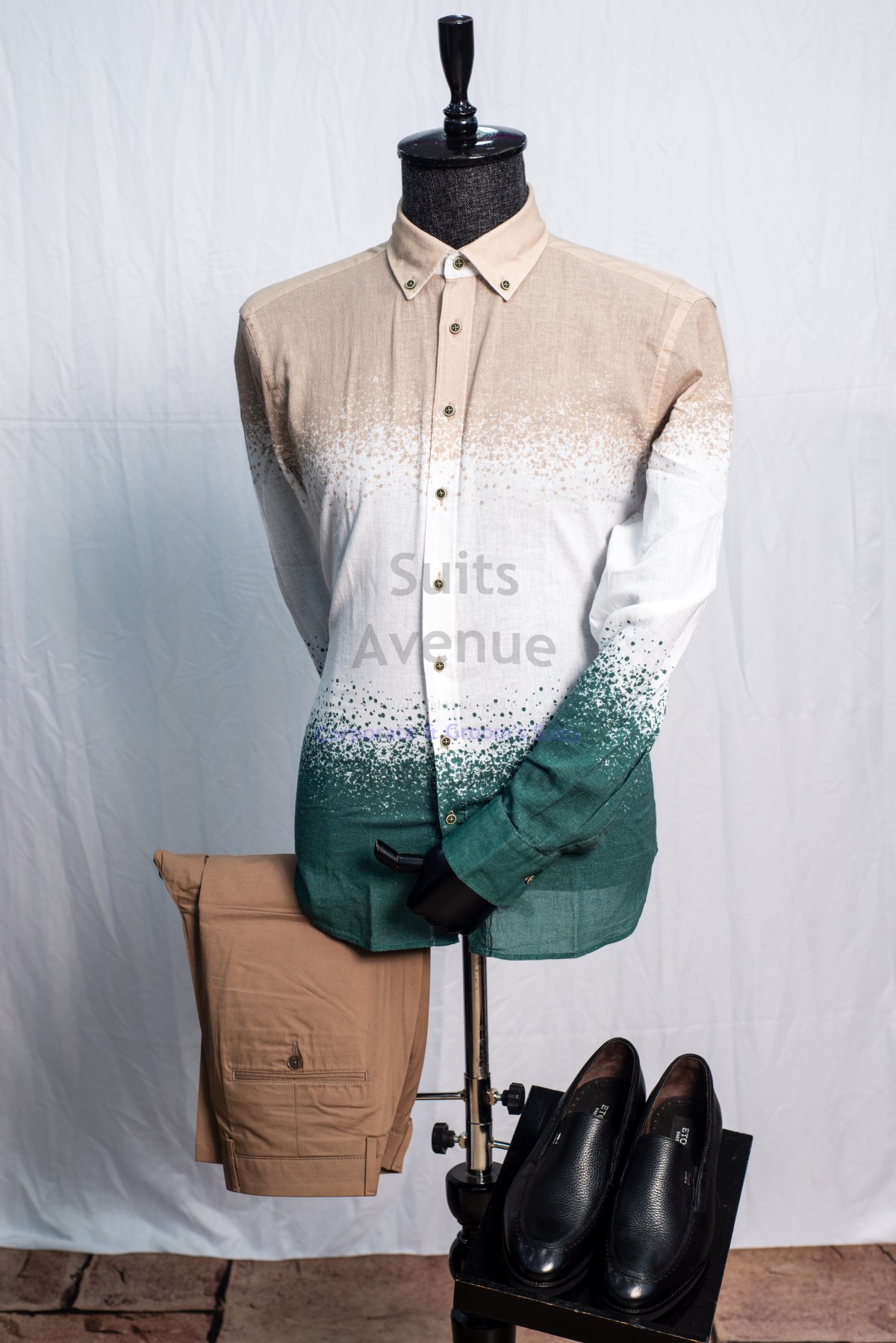
Designer Shirts for Men in Kampala: How to Choose the Best
This guide explains how to choose designer shirts for men with clear focus on fit, fabric, and workmanship. You will learn practical tips for shopping in Kampala so you can pick durable, well-cut shirts that match Suits Avenue's premium style.
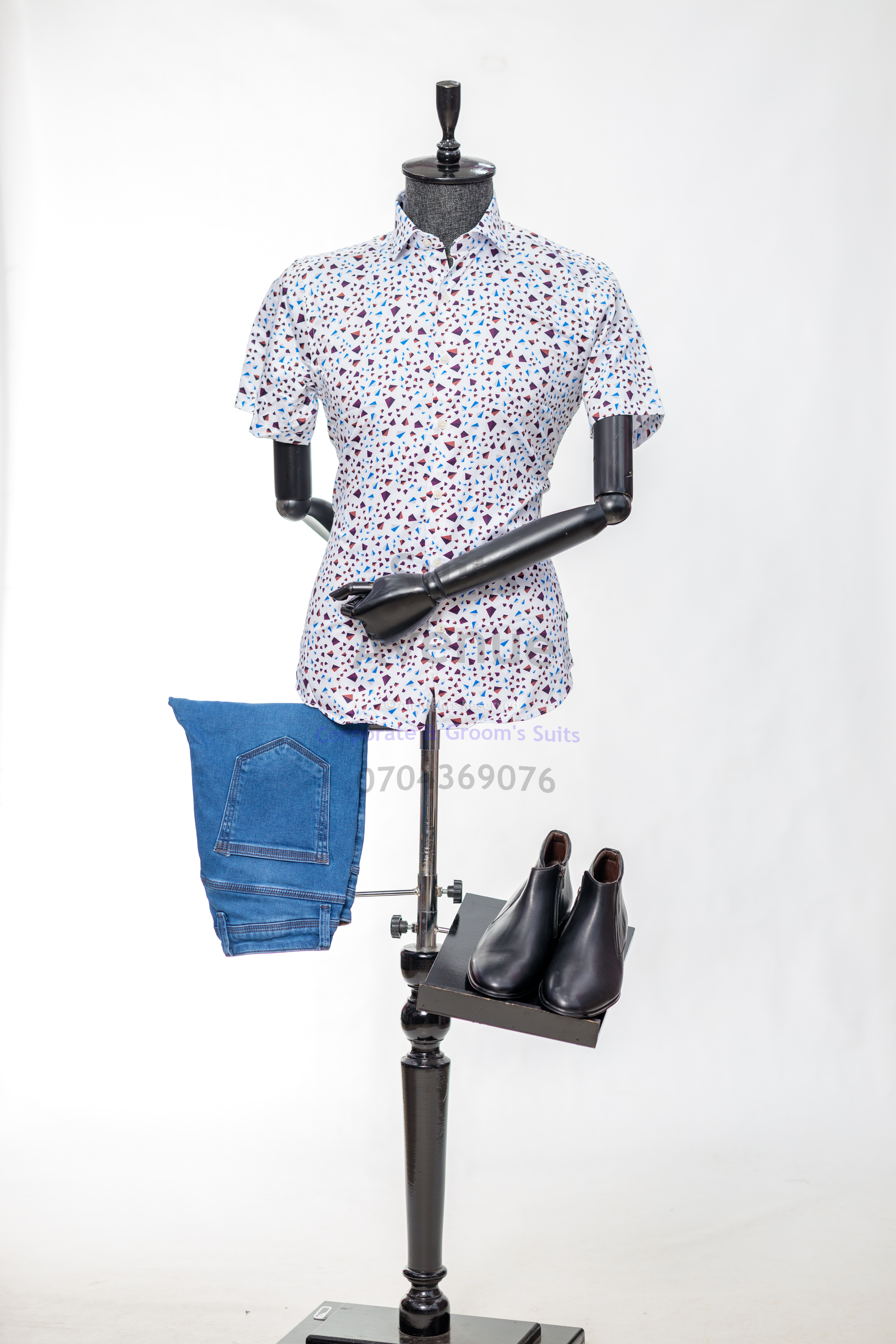
Designer shirts for men in Kampala: what to look for
Many men buy a “designer” shirt expecting it to look sharp all day, only to find it fits poorly, creases fast, or loses shape after a few wears. In Kampala, where your day can move from office to meetings to evening plans, a shirt must be both comfortable and polished.
This guide explains how to choose designer shirts for men by focusing on fit, fabric, and workmanship. By the end, you will know the simple checks that help you pick a shirt that looks premium, sits well on your body, and stays presentable longer.
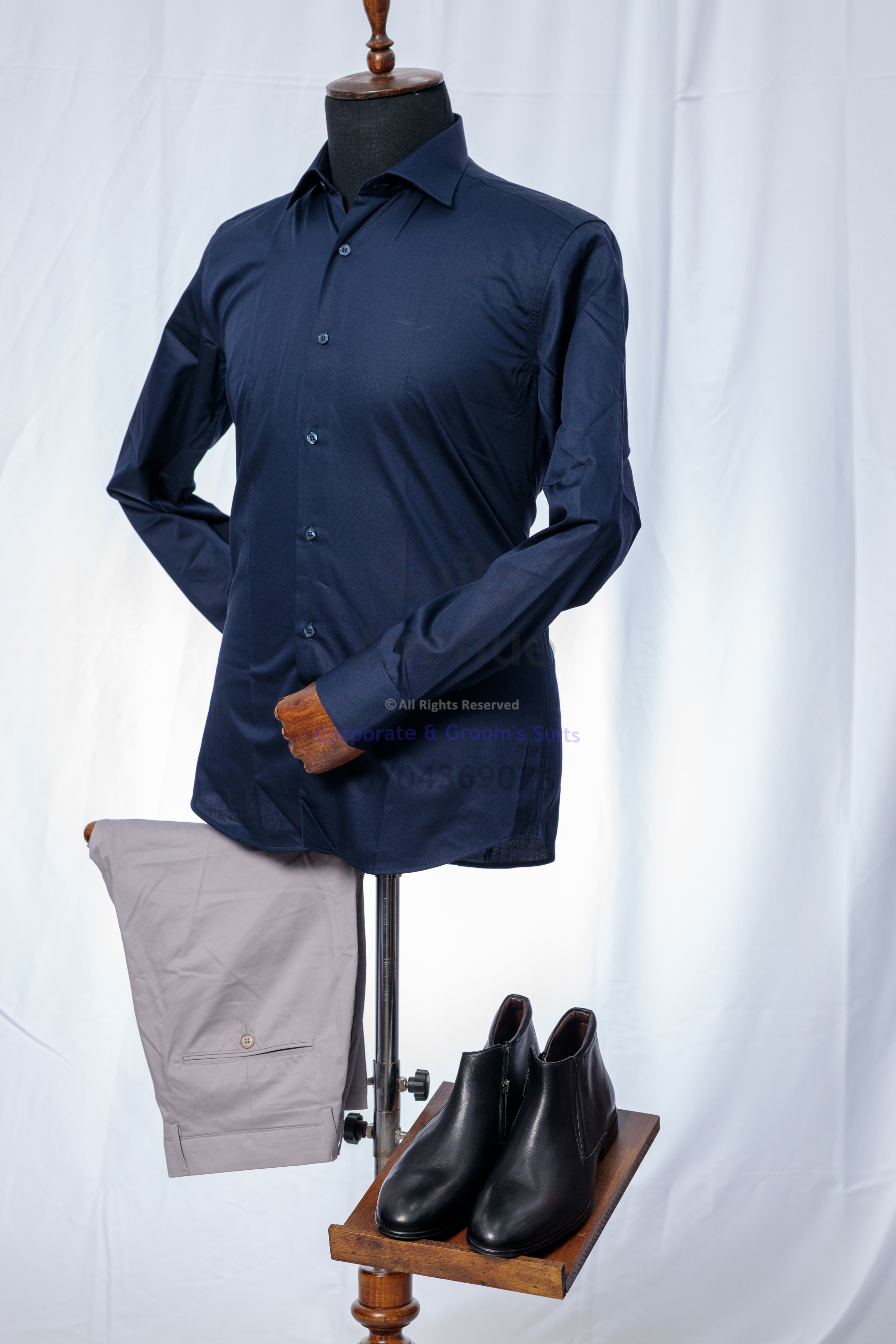
How to choose a designer shirt: fit, fabric, and finishing
- Start with the purpose (this prevents wrong choices)
Before you choose a collar or pattern, decide where you will wear the shirt most:
- Office and formal settings: clean colors, structured collar, smooth fabric.
- Smart-casual: relaxed colors and subtle patterns, still with a clean fit.
- Events: sharper details, stronger collar shape, and a confident but controlled look.
- Fit checks that instantly change how the shirt looks
A shirt can be excellent fabric, but if the fit is wrong it will not look premium.
- Collar: when buttoned, it should be comfortable with about one finger of space.
- Shoulders: the seam should sit at the edge of your shoulder, not down the arm.
- Chest and waist: you should move freely without pulling at buttons; avoid extra fabric that balloons when tucked in.
- Sleeve length: cuffs should reach the base of your thumb when your arm rests naturally.
- Shirt length: if you tuck in, the hem should stay tucked when you lift your arms.
- Fabric basics that matter in Kampala
You do not need complicated rules—just focus on comfort and structure.
- Choose breathable fabric that feels light and smooth against the skin.
- If you want a crisp look, pick a fabric with enough structure so it holds shape.
- If you dislike heavy ironing, avoid fabric that creases extremely fast.
- Workmanship checks (simple quality signals)
These small details often separate a good shirt from an average one:
- Stitching: seams should look straight and tight, with no loose threads.
- Buttons: they should feel secure and sit flat; weak buttons are a common failure point.
- Collar structure: a good collar holds shape and sits cleanly when open or with a tie.
- Seams and matching: stripes or checks should line up neatly where possible.
- Collar and cuff choices that look premium
- Collars: a structured collar is safer for professional wear and works well with a tie.
- Cuffs: standard button cuffs are practical for daily office use; they should sit cleanly without squeezing.
- Build a rotation you can repeat confidently
A “designer” wardrobe is often simple and consistent.
- Start with solid, easy-to-match colors.
- Add a small number of subtle patterns for variety.
- Keep the overall look clean so you can wear the shirt with trousers, a blazer, or a suit.
Common mistakes to avoid
- Buying a bigger size to feel comfortable, then ending up with a sloppy shape.
- Ignoring collar fit (it affects the whole look, especially with a tie).
- Choosing loud patterns first, before you own strong basics.
- Focusing only on the label, not the fabric and stitching.
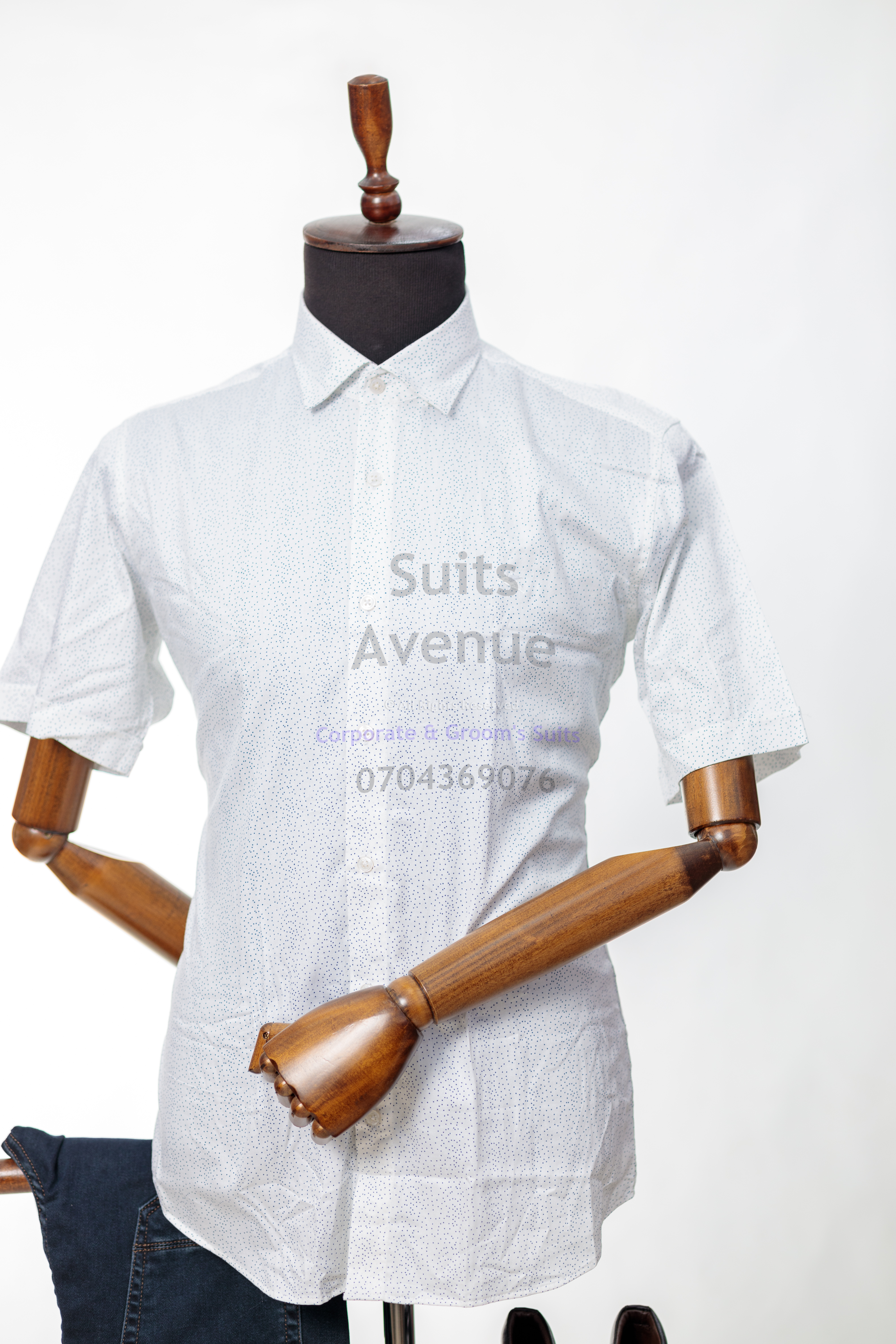
Quick checklist before you choose your next shirt
Use this quick checklist when comparing designer shirts:
- Collar closes comfortably and sits neatly
- Shoulder seams align with your shoulders
- Chest and waist are clean (no pulling, no ballooning)
- Sleeves reach the base of your thumb
- Cuffs sit flat and feel comfortable
- Fabric feels breathable and holds shape
- Stitching is straight and tight; buttons feel secure
Styling advice for a clean, premium finish
- Pair solid shirts with tailored trousers for a sharp daily look.
- If you add a pattern, keep the rest of the outfit simple.
- For formal moments, choose a structured collar and a smooth, crisp fabric.
Click the WhatsApp button to speak with Suits Avenue and get help choosing the right piece.
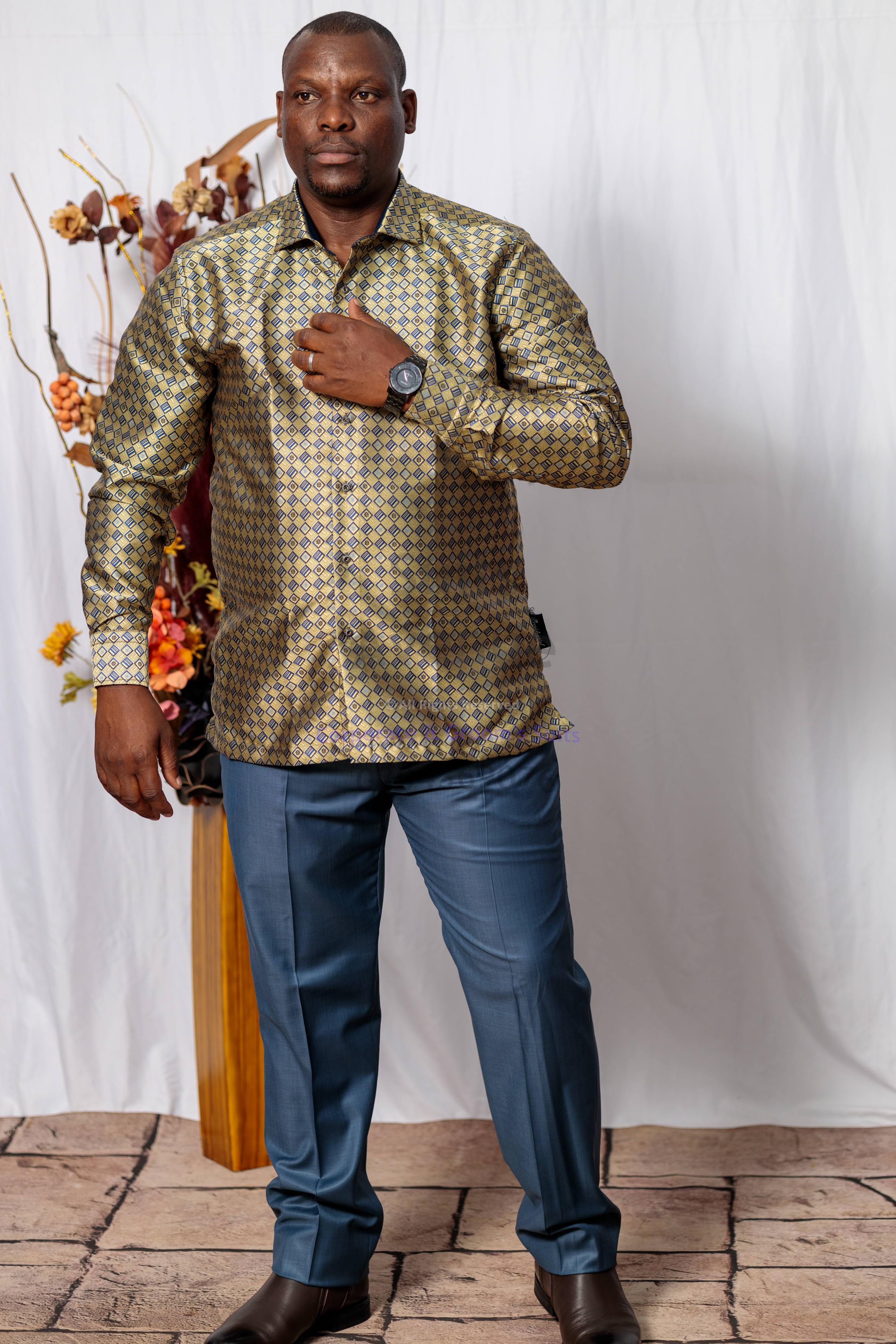
Q: What makes a shirt a “designer shirt” in a practical sense?
A: Strong fit, good fabric, clean stitching, secure buttons, and a collar that holds shape.
Q: How can I tell if the collar size is correct?
A: Button it and check for about one finger of space; it should not choke or gape.
Q: Should designer shirts be slim fit?
A: Not always. The best fit is clean and comfortable—sharp at the shoulders and chest without pulling.
Q: What sleeve length should I look for?
A: The cuff should reach the base of your thumb when your arms rest naturally.
Q: Which shirt colors are easiest to re-wear for work?
A: Solid, light colors are the easiest to pair with trousers, blazers, and suits.
Q: What details should I inspect before buying?
A: Stitching, collar shape, button security, and how the shirt sits when tucked in.
Q: Are patterns a good choice for professional settings?
A: Yes, if they are subtle. Start with solid colors first, then add controlled patterns.
Q: How do I avoid a shirt that creases too fast?
A: Choose breathable fabric with some structure and test how it feels and folds in your hand before buying.
Three complete shirt-and-trouser outfits for Kampala offices, with clear advice on fit, socks, shoes, belts and when you still need a jacket. The latest arrivals include striped and solid designs, gold-tone buttons, and versatile options for professional and smart-casual dressing. Use simple rules to match your suit, shirt, tie, belt and shoes. Includes colour combinations, outfit examples and current Kampala prices.
Latest from Suits Avenue
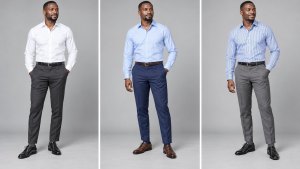
How to Look Professional Without a Jacket: Three Office Outfits for Kampala

Suits Avenue Introduces New Turkish Wool and Wool-Blend Blazers in Kampala

How to Match Your Suit, Shirt, Tie, Belt and Shoes
