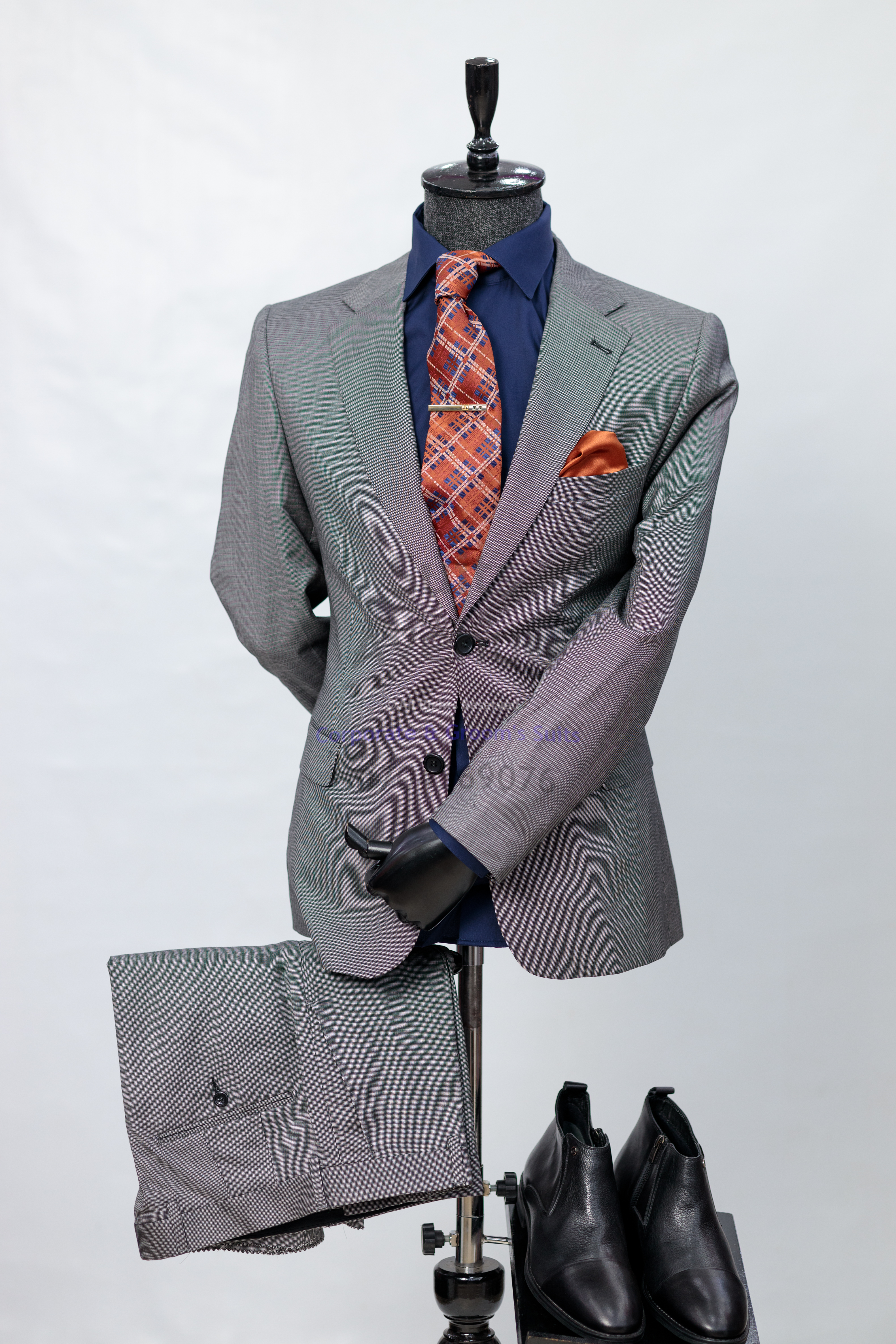
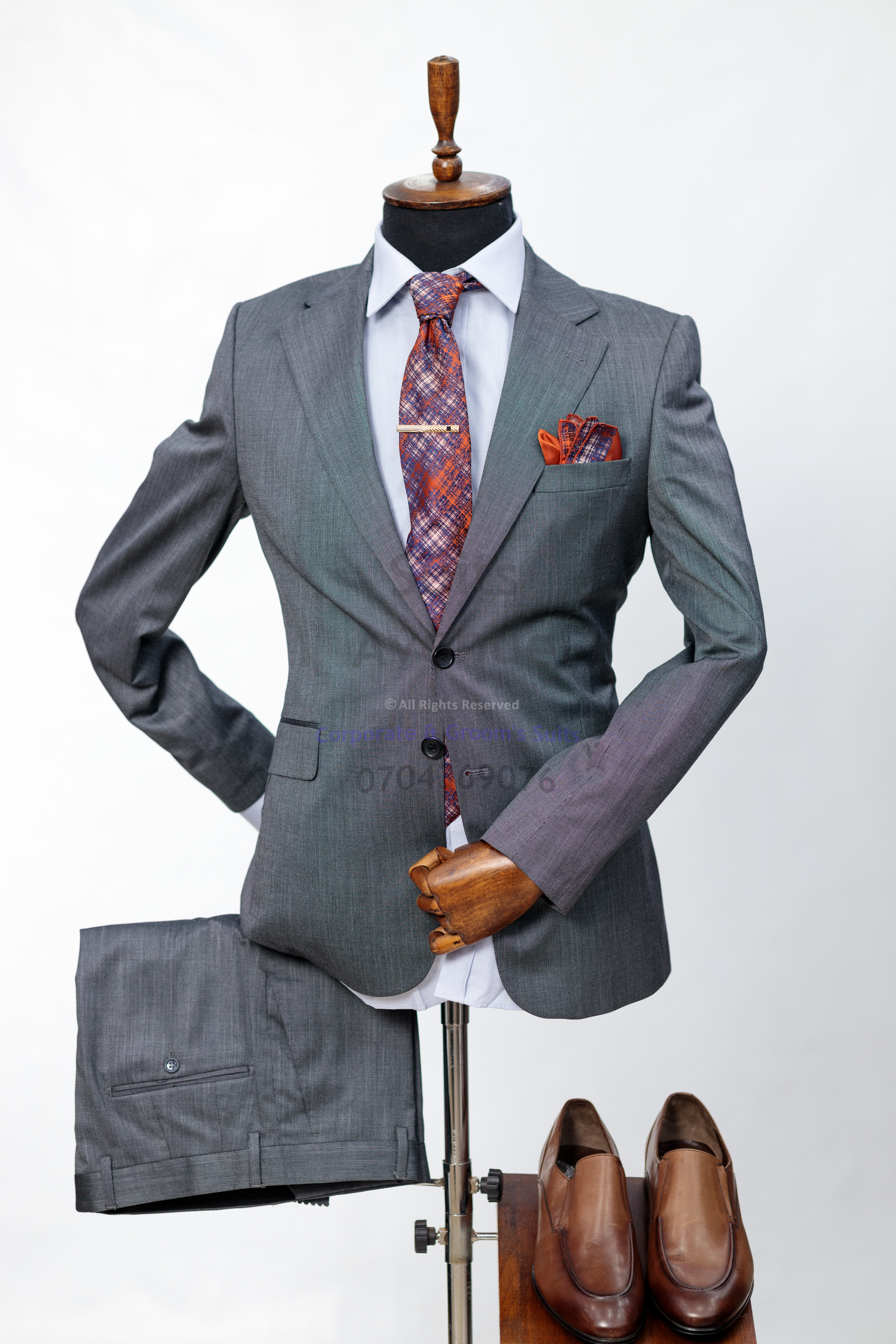
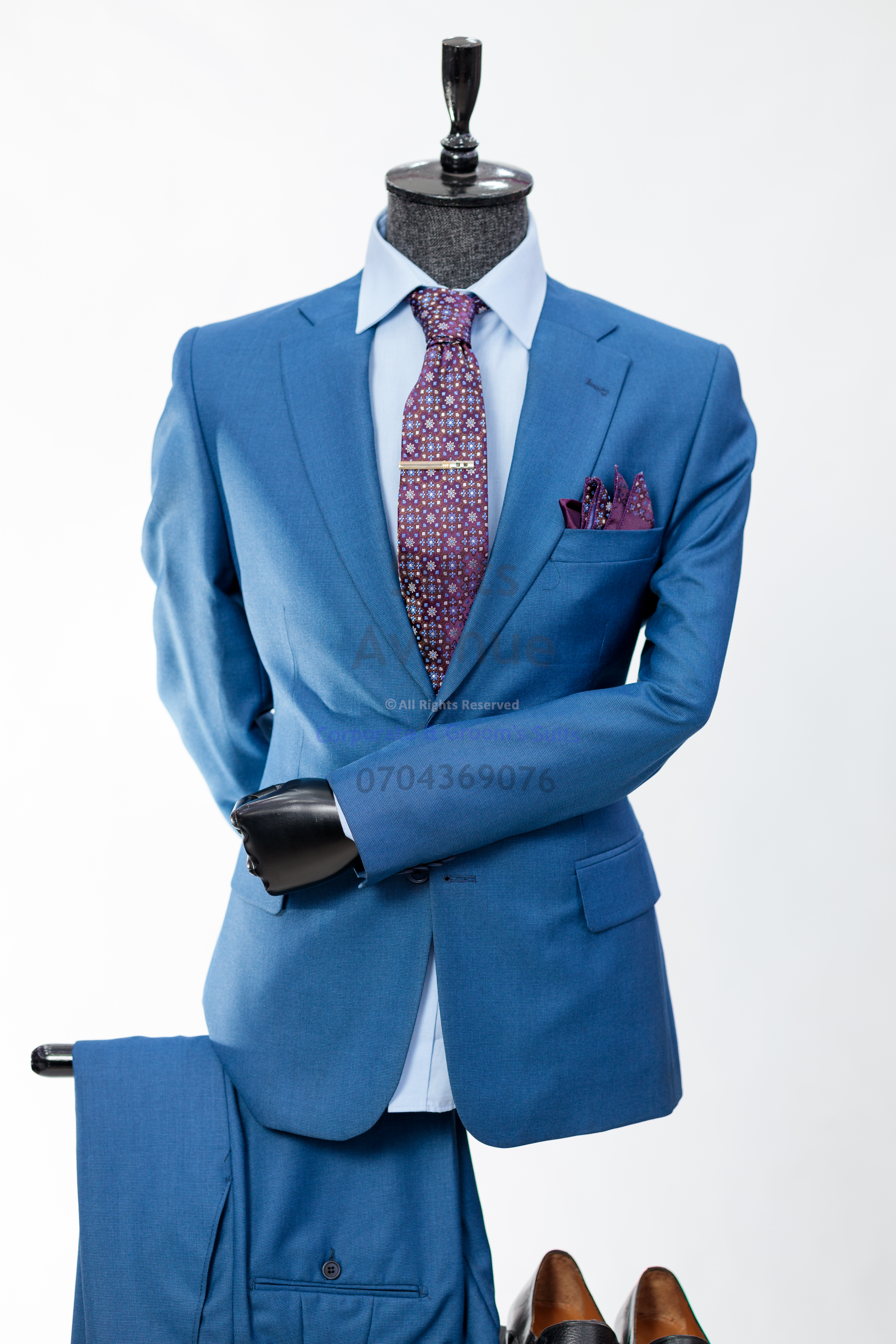
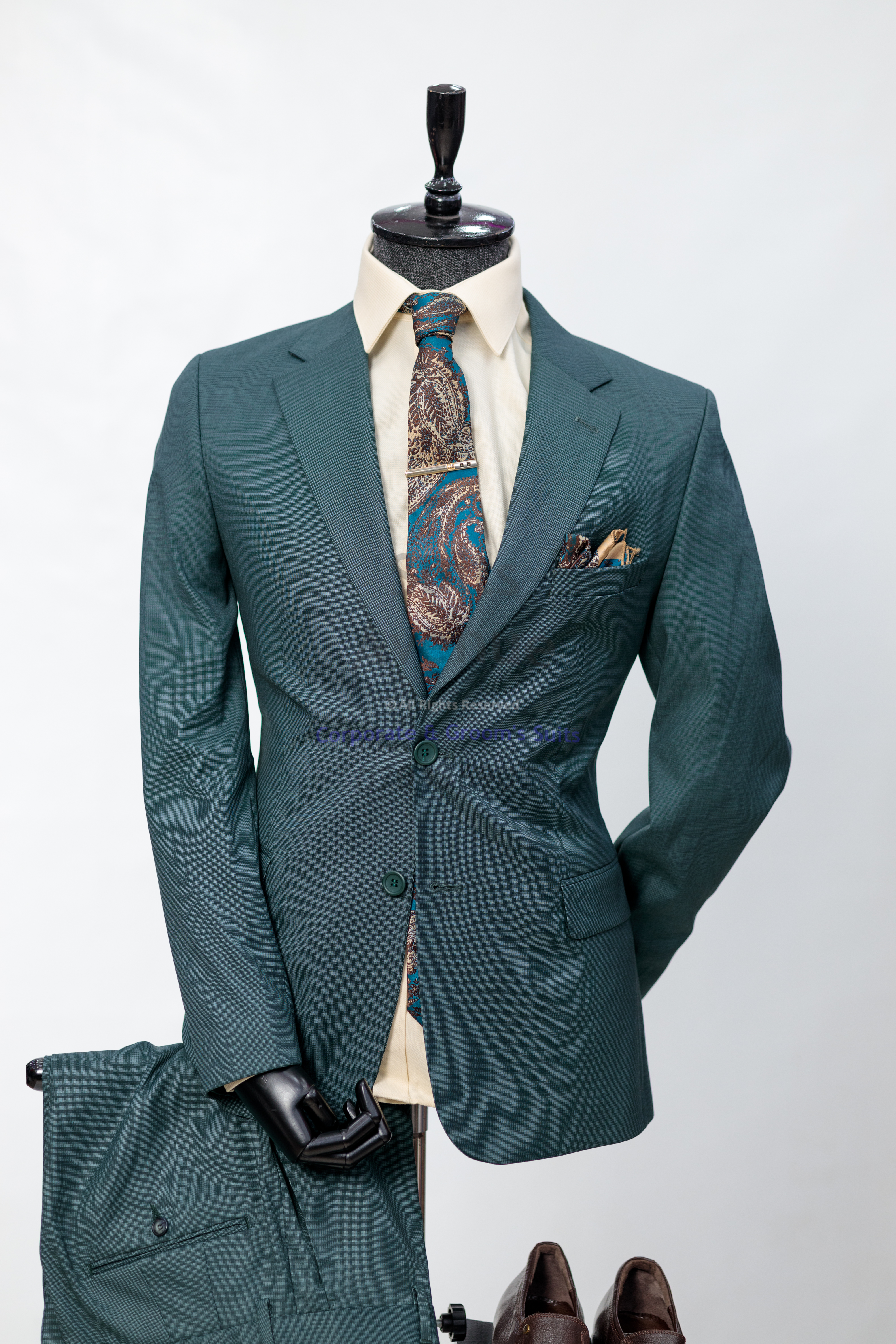
"Graduation Day Glory: Celebrate Your Big Moment in Style with Suits Avenue’s Timeless Wool Suits"

“Shine on graduation day with a timeless wool suit from Suits Avenue—quality, style, and perfect fit!”

Graduation Day Glory: Dress for Success with Suits Avenue


WhatsApp Us Now

https://videos.files.wordpress.com/8wyiriK9/sa-absync-bts-graduating-next-month-december-2nd-2024.mp4

Graduation Day Glory: Dress for Success with Suits Avenue

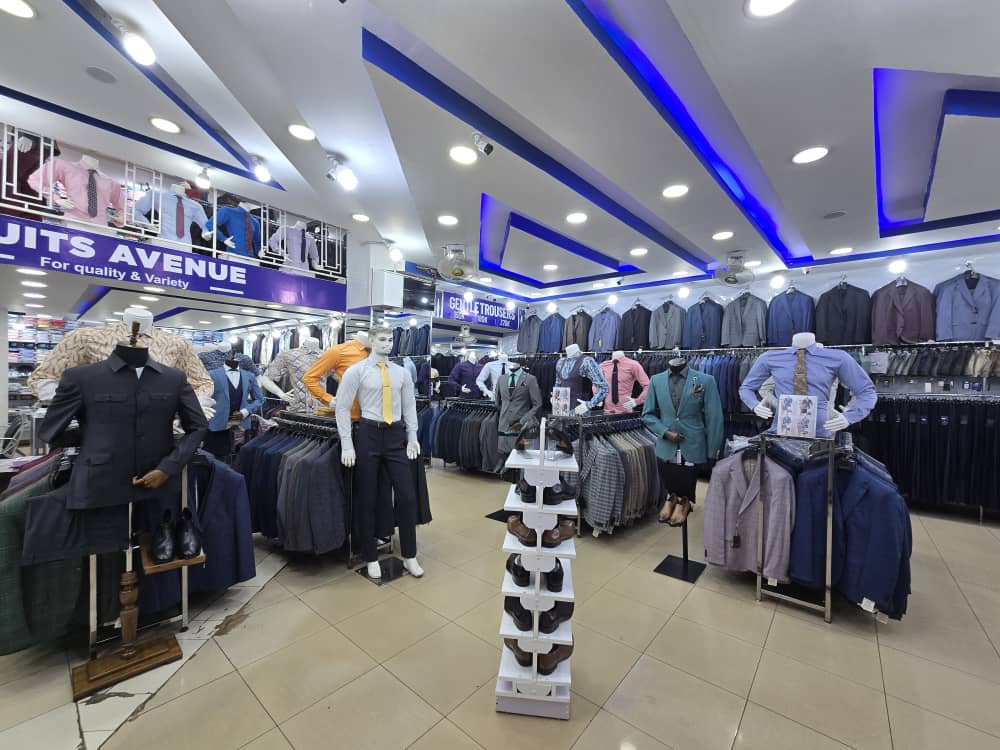
Graduation day is a once-in-a-lifetime event, a moment when you cross a significant milestone and step into the future. It’s your time to shine, and what’s a better way to do that than by dressing for success? The way you dress can boost your confidence and make you feel proud on this memorable day. When it comes to dressing up, there’s no beating the elegance of a wool suit. Let’s explore why wool suits are the best choice for graduation and how Suits Avenue, a premium destination in Kampala, can help you find the perfect look.

Why Choose Wool Suits for Graduation?

The Perfect Graduation Outfit

Wool suits are the ultimate choice for graduation day because of their classy and presentable nature. Wool is known for its natural fibers, which means the suit can keep you comfortable throughout the long ceremonies. You’ll love how wool suits make you look neat and feel confident in front of your family, friends, and everyone gathered to celebrate.

Versatile and Timeless

The beauty of wool suits lies in their versatility and timeless style. Whether your graduation ceremony is formal or casual, a wool suit will fit right in. Wool suits have been worn for generations, and they never go out of fashion. You can wear them on many other occasions like job interviews, weddings, and special events.

Comfortable and Durable

Graduation ceremonies can be lengthy, so it’s important to wear something comfortable. Wool suits are not only comfortable but also durable. The high-quality wool suits from Suits Avenue ensure that you can move around easily and stay cool even under the sun. Plus, they are made to last, so you can cherish the memories and the suit for a long time.

Discover Suits Avenue’s Wool Suit Collection

Variety of Styles and Fits

At Suits Avenue, you will find a dazzling collection of wool suits. There are various styles and fits to match your personal taste and body type. Whether you prefer a classic or modern look, Suits Avenue has something for everyone. Their suits come in different sizes and carefully tailored designs.

Crafted with Care in Turkey and Italy

The wool suits at Suits Avenue are made with great care in Turkey and Italy. These places are known for their fashion excellence and quality craftsmanship. You can be sure that every piece of clothing is created to perfection. Wearing a suit from Suits Avenue means wearing a piece of art.

Colors that Complement Your Graduation

Choosing a color that suits the graduation theme and your personal style is important. Suits Avenue offers a range of colors that are both traditional and trendy. Whether you like bold colors or prefer neutral tones, there’s a perfect suit waiting for you.

Styling Tips for Your Graduation Look

Accessorizing Your Wool Suit

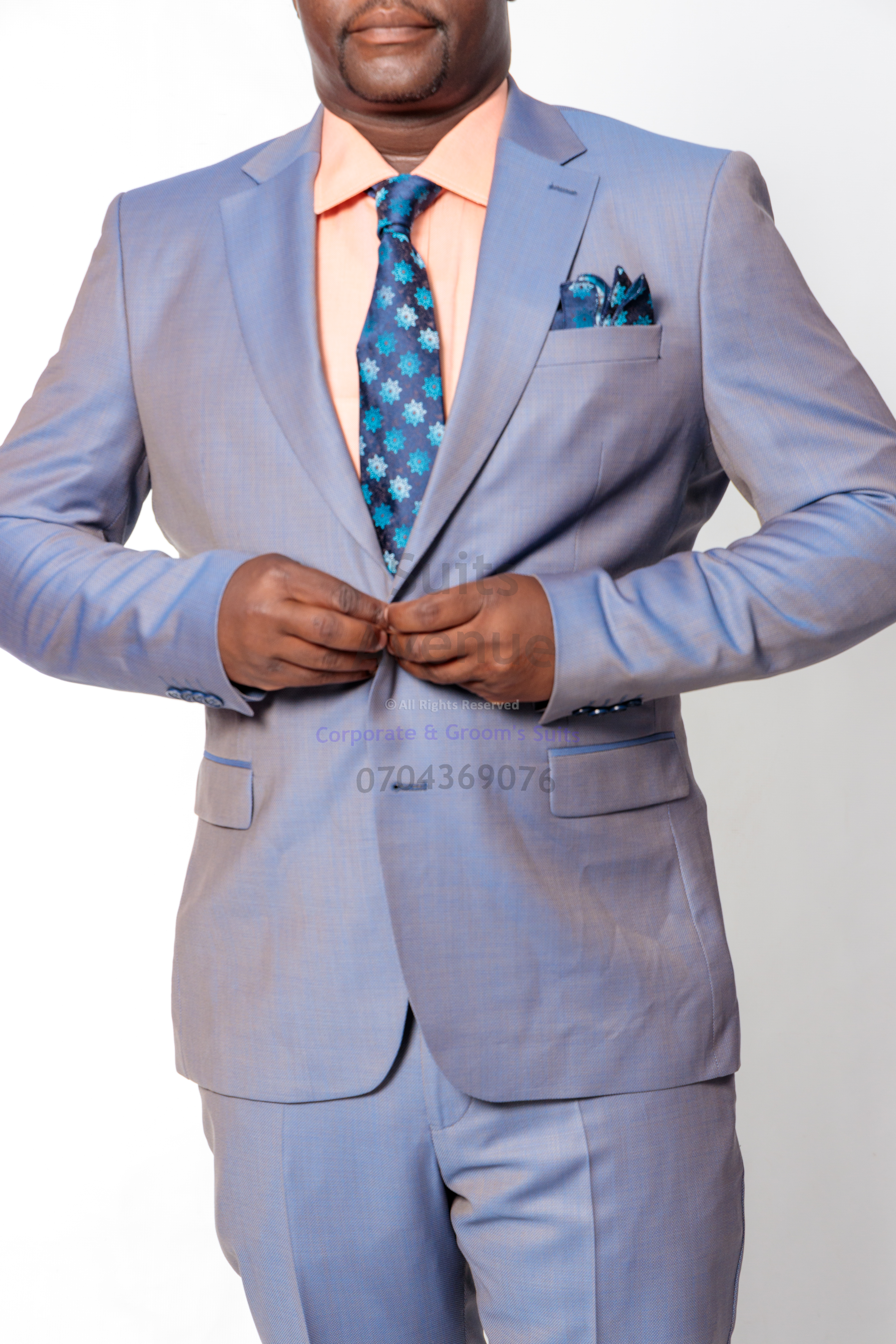
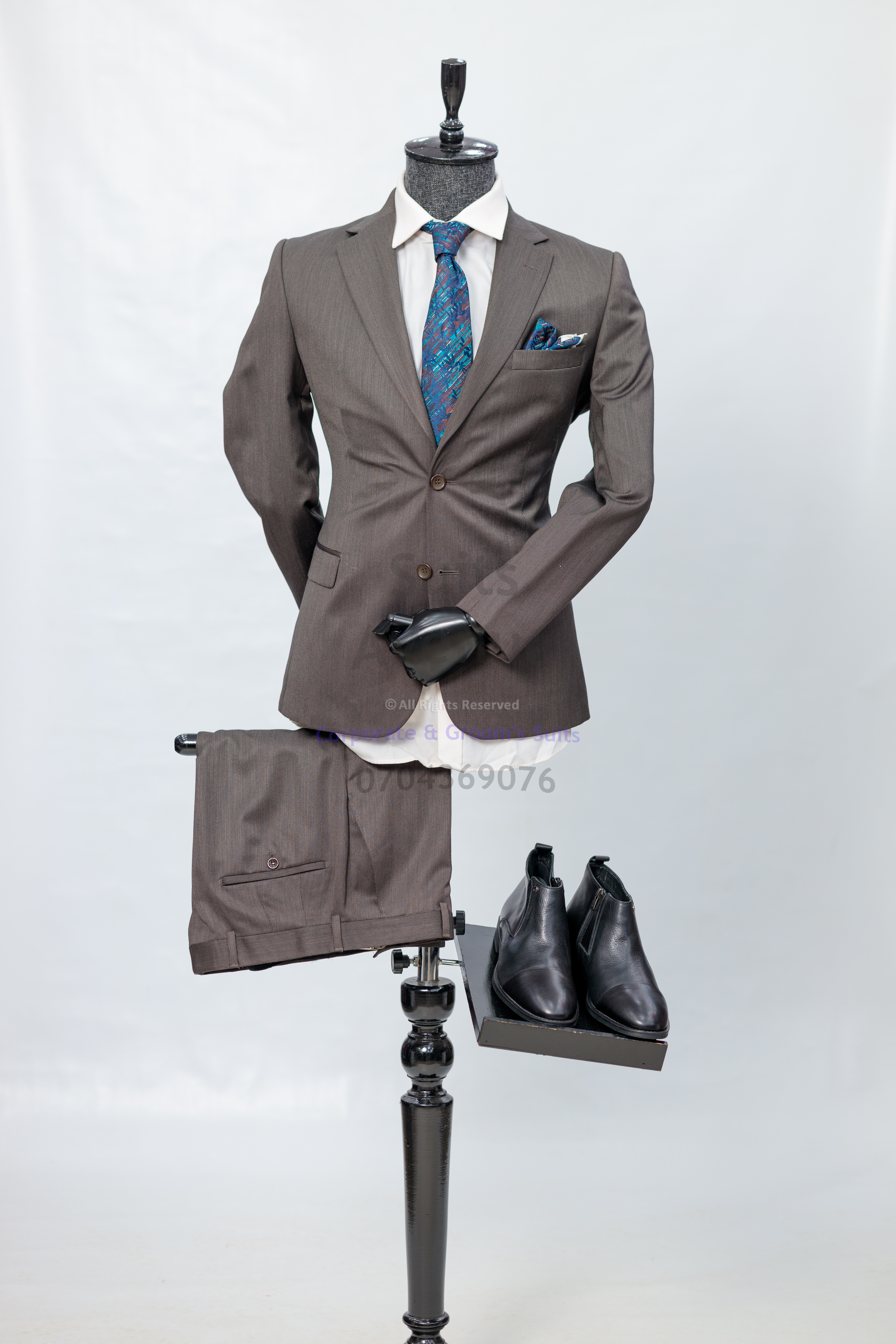
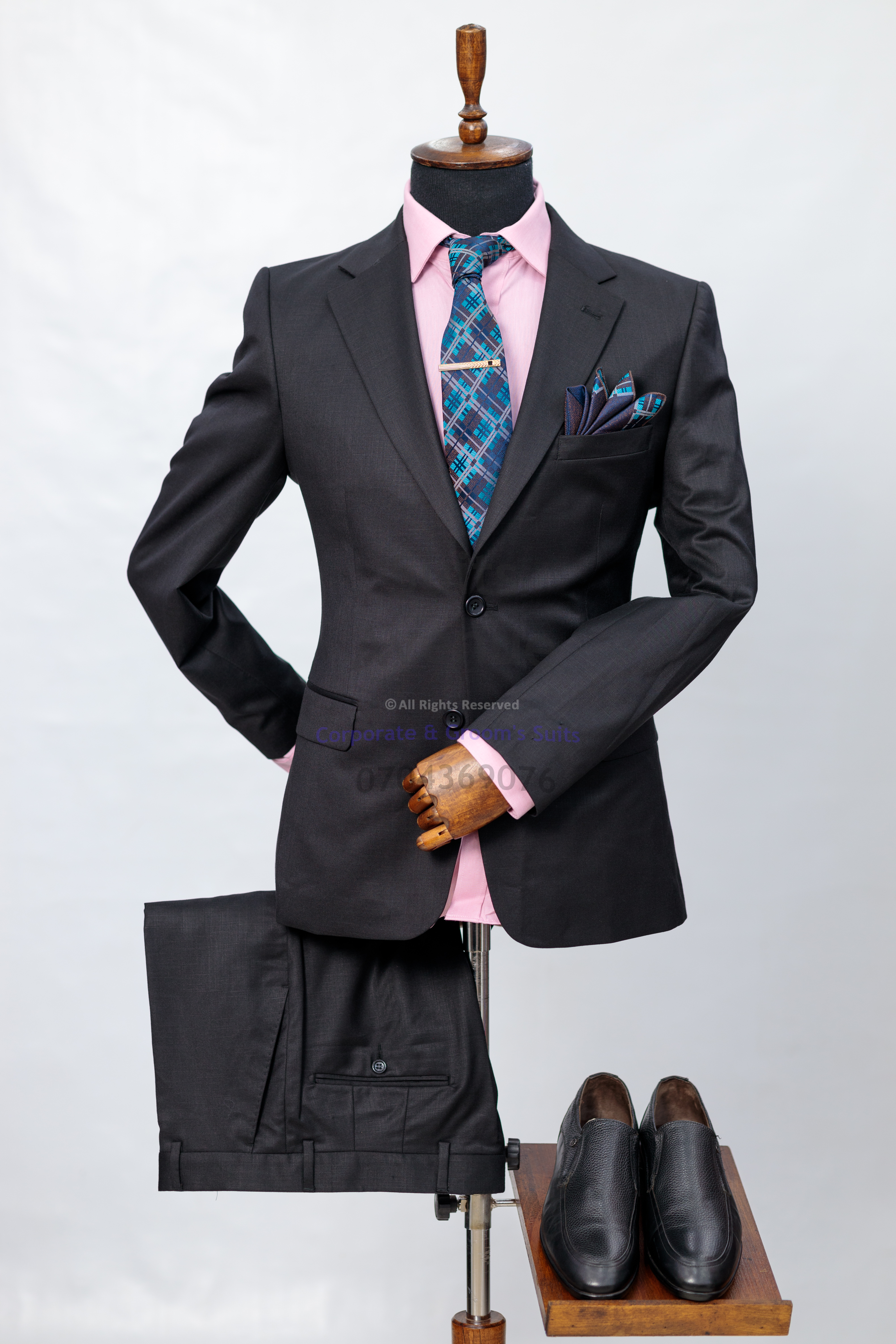
Once you’ve picked the right suit, it’s time to add some style with accessories. Suits Avenue’s fashion consultants have lots of great tips to help you. You can pair your suit with a smart tie, a stylish pocket square, and matching shoes. They can help you find patterns and colors that bring your whole outfit together.

Achieving the Perfect Fit

Getting the right fit for your suit is crucial. A well-fitted suit will make you feel comfortable and look polished. Suits Avenue offers tailoring services to ensure that your suit fits you perfectly. With the help of their fashion consultants, you can make sure everything is just right for your big day.

Visit Suits Avenue for Graduation Day Glory

Convenient Store Location

You can visit Suits Avenue at their store in Kampala, located at Insurance House. It’s easy to find, and there’s even free parking available, making your shopping experience smooth and hassle-free.

Exceptional Customer Service

At Suits Avenue, the customer comes first. Their friendly staff, including professional fashion consultants, is always ready to assist you. They provide expert styling advice, ensuring you leave the store with everything you need to look amazing on graduation day.

Suits Avenue’s commitment to quality and the newest fashion trends ensures you’re always in style. They keep up with current trends and bring in new collections regularly, so you have the latest options to choose from.

As graduation day approaches, let Suits Avenue guide you to the perfect wool suit for your moment in the spotlight. With their wide selection, personalized service, and commitment to excellence, you’re sure to shine on your big day!

Certainly! Here are 10 FAQs for “Graduation Day Glory: Dress for Success with Suits Avenue,” tailored for a 5th-grade reading level:


FAQs about Graduation Day Outfits from Suits Avenue

Why are wool suits a good choice for graduation?

Wool suits are great because they look nice and keep you comfortable. Wool is a natural fabric that feels good to wear, even for long days like graduation.

Can I wear a wool suit to other events?

Yes! Wool suits are perfect for many events. You can also wear them to job interviews, weddings, and other special occasions.

Are wool suits comfortable and long-lasting?

Wool suits are both comfy and durable. They let you move easily and stay cool, even if it’s a long day.

Discovering Suits Avenue’s Wool Suit Collection

What kinds of suits can I find at Suits Avenue?

Suits Avenue has lots of styles and fits. Whether you like a classic or a modern look, there’s a suit for you.

Where are Suits Avenue’s wool suits made?

These suits are made in Turkey and Italy. They’re crafted carefully by experts known worldwide for quality.

What colors are available for graduation suits at Suits Avenue?

There are many colors to choose from. Whether you want something bold or neutral, Suits Avenue has what you need.

Styling Tips for Your Graduation Look

How can I make my wool suit look even better?

You can add accessories like a tie or pocket square. Suits Avenue’s fashion consultants can help you pick the best ones.

How do I make sure my suit fits just right?

A perfect fit is important for looking sharp. Suits Avenue offers tailoring services to ensure your suit fits perfectly.

Visiting Suits Avenue

Where is Suits Avenue located, and is it easy to visit?

Suits Avenue is at Insurance House in Kampala. It’s simple to find, with free parking to make your visit easy.

How does Suits Avenue help with my shopping experience?

Suits Avenue has friendly staff ready to help. They keep up with fashion trends, so you’ll always find the newest styles.


Click here for Quality Leather Shoes

Suits Avenue Blogs

Why Wool is the Best Fabric for Suits | Suits Avenue Kampala

Why Wool is the Best Fabric for Suits
When it comes to men’s suits, the choice of fabric can make all the difference. Whether you’re dressing for a formal event or a regular day at the office, the right fabric not only defines how your suit looks but also how it feels and performs throughout the day. Among the many fabrics available, wool stands out as the top choice for those who value both style and comfort. Here’s why wool remains the superior fabric for suits.

Why Wool is the Best Fabric for Suits | Suits Avenue Kampala


WhatsApp Us Now

🔥The Timeless Appeal of Wool in Men’s Suits

https://videos.files.wordpress.com/P9hJxOOP/sa-grid-video-and-photo-october-2024-4.mp4

October 25th, 2024

Why Wool is the Best Fabric for Suits

When it comes to men’s suits, the choice of fabric can make all the difference. Whether you’re dressing for a formal event or a regular day at the office, the right fabric not only defines how your suit looks but also how it feels and performs throughout the day. Among the many fabrics available, wool stands out as the top choice for those who value both style and comfort. Here’s why wool remains the superior fabric for suits:


1. What makes wool a good fabric for suits? Wool is breathable, durable, and offers excellent insulation, making it comfortable for year-round wear while maintaining its shape and style over time. 2. Are wool suits suitable for all seasons? Yes! Wool is a versatile fabric that keeps you cool in the summer and warm in the winter due to its natural breathability and insulation properties. 3. How long does a wool suit last? With proper care, a high-quality wool suit can last for years. Wool is naturally durable and resists wear and tear, making it a long-lasting investment. 4. Do wool suits wrinkle easily? No, wool is naturally resistant to wrinkles, helping your suit maintain a sharp, crisp appearance even after long hours of wear. 5. How should I care for my wool suit? It's best to dry clean your wool suit occasionally and store it in a cool, dry place with enough space to avoid creases. Hanging it after wear helps maintain its shape. 6. What types of wool are used in suits? Wool suits are typically made from fine wool like Merino, which is known for its softness and durability, or wool blends, which combine wool with other fabrics for extra versatility. 7. Are wool suits expensive? Wool suits are often more expensive than those made from synthetic fabrics, but their durability, comfort, and timeless appeal make them a worthwhile investment. 8. Can I wear a wool suit to formal events? Absolutely! Wool suits are ideal for both professional and formal occasions, offering a polished, sophisticated look that’s perfect for weddings, business meetings, and more. 9. Is wool a sustainable fabric? Yes, wool is a natural and renewable resource. It’s biodegradable and has a smaller environmental footprint compared to synthetic fabrics, making it an eco-friendly choice. 10. Where can I buy high-quality wool suits in Kampala? You can find premium wool suits at Suits Avenue in Kampala, known for offering luxury suits made from the finest wool materials imported from Turkey and Italy.
Our Suits range from 300k to 1.5m Ugx… all are quality new originals… never copies…😁 We have the best selection of Suits in Kampala…👍🏽Chat with us on WhatsApp: https://wa.link/suitsavenuechat 🔥

🔥Breathability: Staying Comfortable in Any Weather

Breathability: Staying Comfortable in Any Weather

One of the biggest advantages of wool is its natural breathability. Wool fibers allow air to circulate freely, which means wool suits help regulate your body temperature in both warm and cool conditions. In hotter weather, the fabric wicks moisture away from your skin, keeping you cool and dry. In colder temperatures, wool acts as an insulating layer, trapping warmth without causing you to overheat. This makes wool suits the perfect year-round choice, unlike synthetic fabrics that can trap heat and leave you feeling uncomfortable.


Our Suits range from 300k to 1.5m Ugx… all are quality new originals… never copies…😁 We have the best selection of Suits in Kampala…👍🏽Chat with us on WhatsApp: https://wa.link/suitsavenuechat 🔥


Our Suits range from 300k to 1.5m Ugx… all are quality new originals… never copies…😁 We have the best selection of Suits in Kampala…👍🏽Chat with us on WhatsApp: https://wa.link/suitsavenuechat 🔥
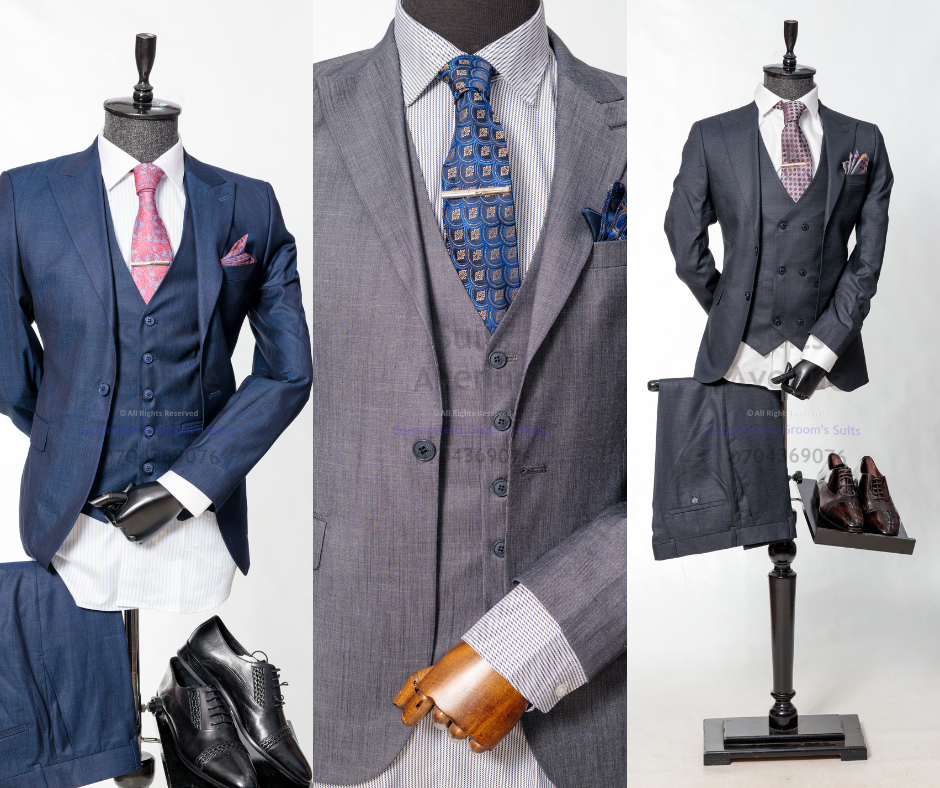
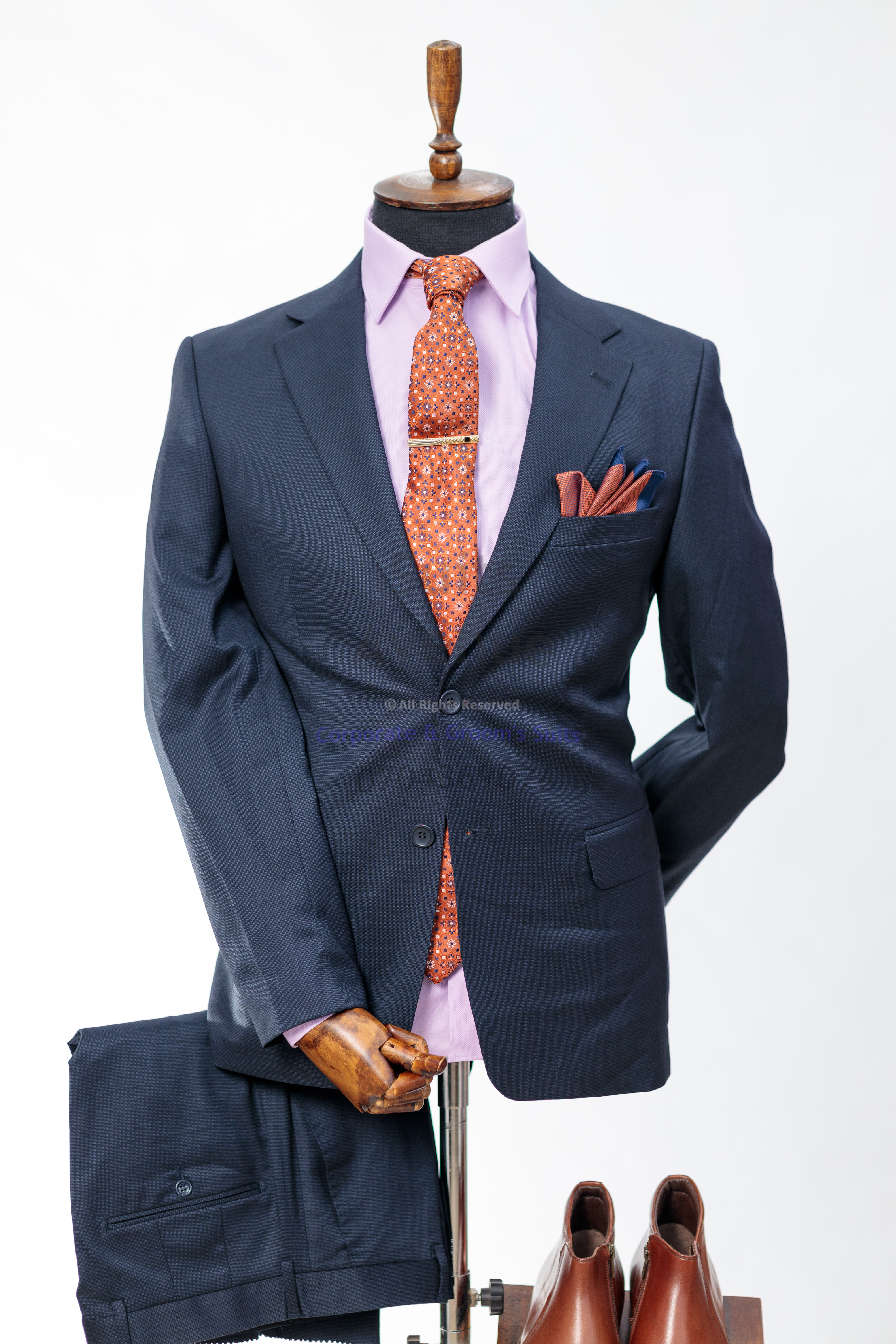
This timeless navy wool suit exudes sophistication with a sleek, tailored fit. Perfect for both boardroom meetings and formal events, the suit’s breathable fabric keeps you comfortable all day. Expertly crafted from premium Italian wool, it offers a refined look that never goes out of style.


Our Suits range from 300k to 1.5m Ugx… all are quality new originals… never copies…😁 We have the best selection of Suits in Kampala…👍🏽Chat with us on WhatsApp: https://wa.link/suitsavenuechat 🔥
A light gray wool suit that blends versatility with modern appeal. Ideal for both business and semi-formal gatherings, this suit is tailored from premium Turkish wool, ensuring a soft, breathable fit. Its subtle shade adds a fresh, stylish twist to traditional office wear.


Quality Men’s Wear Suits Avenue
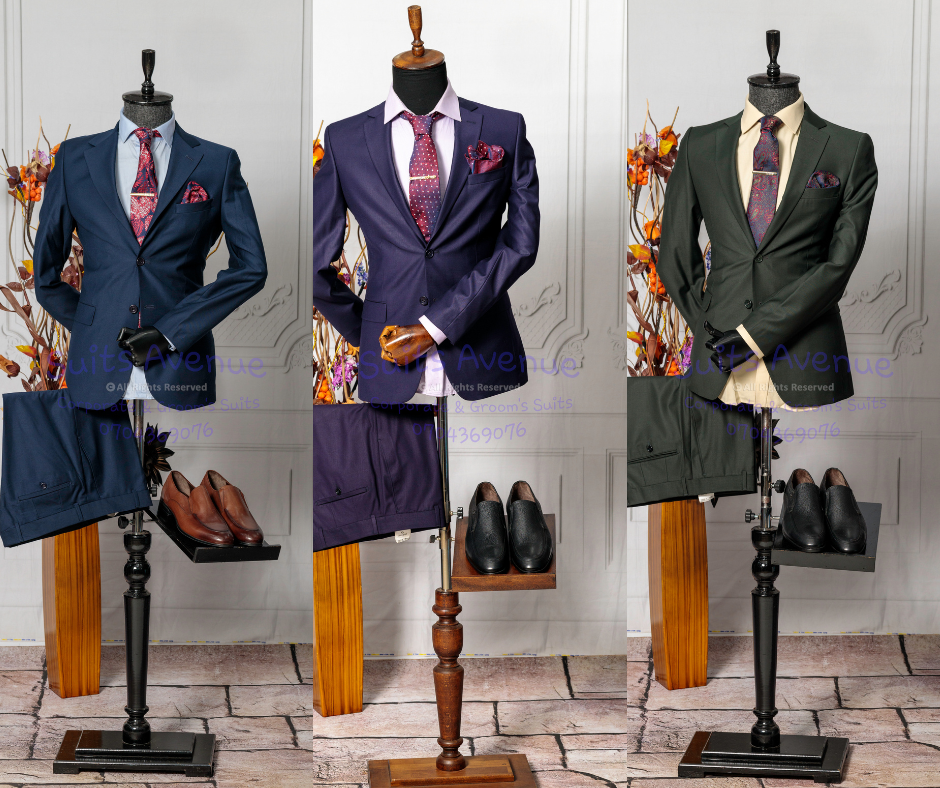
Make a statement with this bold royal blue wool suit, designed for those who embrace contemporary style. Its rich color and tailored fit are complemented by the softness of fine wool, offering a comfortable yet striking look suitable for both work and special occasions.


Quality Men’s Wear Suits Avenue
This deep olive wool blend suit is crafted for the trendsetter, combining rich color with the soft, durable quality of wool. The tailored fit and unique hue make it a standout choice for events where style and individuality are key. Made with breathable fabric for year-round wear.

🔥Why Wool Suits are an Investment in Both Style and Comfort

Durability: A Long-Lasting Investment

Wool is known for its incredible durability, making it one of the most resilient fabrics for men’s suits. Unlike cotton or synthetic blends, wool fibers naturally resist wear and tear. This means a well-made wool suit can last for years, maintaining its shape and structure even with frequent use.

Another key benefit of wool is its wrinkle resistance. Wool suits tend to hold their shape better, meaning fewer creases and less time spent ironing. For the busy professional, this is a huge time-saver. Wool’s durability ensures that your suit remains sharp and pristine even after a long day of wear. Investing in a wool suit is not just about looking good today—it’s about having a wardrobe piece that will stand the test of time.


Premium Wool Blend Suit in Deep Olive

🔥Aesthetic Versatility: Stylish and Sophisticated

Aesthetics and Versatility

Not only does wool offer practical benefits, but it also enhances the aesthetic appeal of your suit. Wool has a natural sheen and texture that exudes sophistication, making it the go-to choice for professionals who want to look their best. Wool suits can be tailored to a variety of styles, from slim-fit modern cuts to classic, timeless designs.

Wool also takes dye exceptionally well, ensuring rich, vibrant colors that last. Whether you prefer a traditional black suit, a navy blue option, or even something bolder, wool provides a canvas that brings out the best in every shade.

🔥Discover Wool Suits at Suits Avenue Kampala


Quality Men’s Wear Suits Avenue
Our Suits range from 300k to 1.5m Ugx… all are quality new originals… never copies…😁 We have the best selection of Suits in Kampala…👍🏽Chat with us on WhatsApp: https://wa.link/suitsavenuechat 🔥


Quality Men’s Wear Suits Avenue
Our Suits range from 300k to 1.5m Ugx… all are quality new originals… never copies…😁 We have the best selection of Suits in Kampala…👍🏽Chat with us on WhatsApp: https://wa.link/suitsavenuechat 🔥


Quality Men’s Wear Suits Avenue
Our Suits range from 300k to 1.5m Ugx… all are quality new originals… never copies…😁 We have the best selection of Suits in Kampala…👍🏽Chat with us on WhatsApp: https://wa.link/suitsavenuechat 🔥


Quality Men’s Wear Suits Avenue
Our Suits range from 300k to 1.5m Ugx… all are quality new originals… never copies…😁 We have the best selection of Suits in Kampala…👍🏽Chat with us on WhatsApp: https://wa.link/suitsavenuechat 🔥


Quality Men’s Wear Suits Avenue
Our Suits range from 300k to 1.5m Ugx… all are quality new originals… never copies…😁 We have the best selection of Suits in Kampala…👍🏽Chat with us on WhatsApp: https://wa.link/suitsavenuechat 🔥


Quality Men’s Wear Suits Avenue
Our Suits range from 300k to 1.5m Ugx… all are quality new originals… never copies…😁 We have the best selection of Suits in Kampala…👍🏽Chat with us on WhatsApp: https://wa.link/suitsavenuechat 🔥


Quality Men’s Wear Suits Avenue
Our Suits range from 300k to 1.5m Ugx… all are quality new originals… never copies…😁 We have the best selection of Suits in Kampala…👍🏽Chat with us on WhatsApp: https://wa.link/suitsavenuechat 🔥


Quality Men’s Wear Suits Avenue
Our Suits range from 300k to 1.5m Ugx… all are quality new originals… never copies…😁 We have the best selection of Suits in Kampala…👍🏽Chat with us on WhatsApp: https://wa.link/suitsavenuechat 🔥

Insulation: Warmth Without Weight

Wool’s unique insulating properties set it apart from other fabrics. Wool suits offer excellent warmth while remaining lightweight, providing a balance that few other materials can match. Wool fibers trap tiny pockets of air, which help to regulate body temperature by providing warmth in cold weather without adding bulk.

This makes wool ideal for formal and professional settings where bulky layers can feel restrictive. Whether you’re attending an outdoor winter wedding or heading into a chilly office, a wool suit will keep you comfortable without compromising on style. Unlike heavier fabrics that might weigh you down, wool offers warmth without the heft, ensuring you look polished and feel at ease.


Our Suits range from 300k to 1.5m Ugx… all are quality new originals… never copies…😁 We have the best selection of Suits in Kampala…👍🏽Chat with us on WhatsApp: https://wa.link/suitsavenuechat 🔥
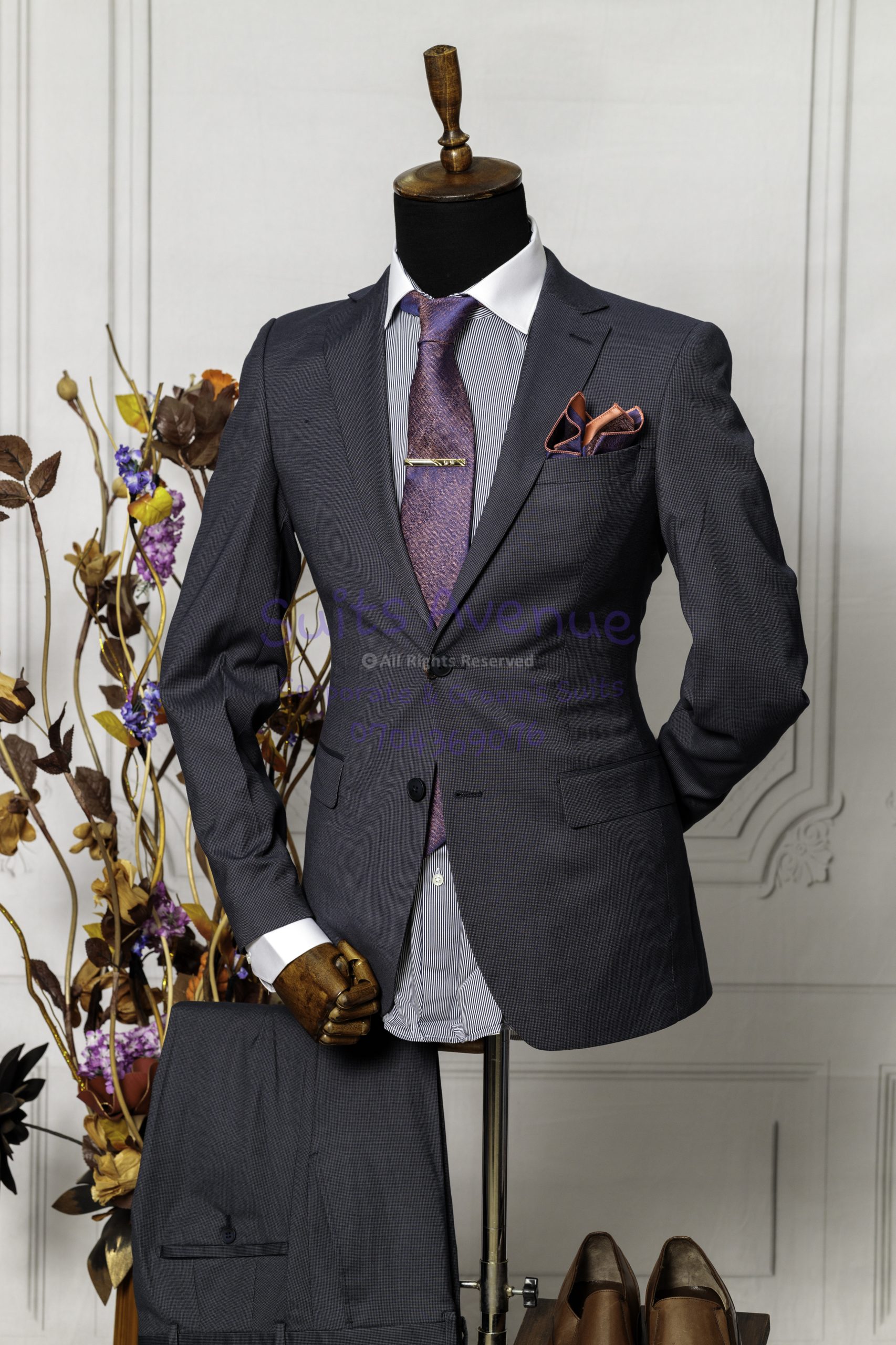
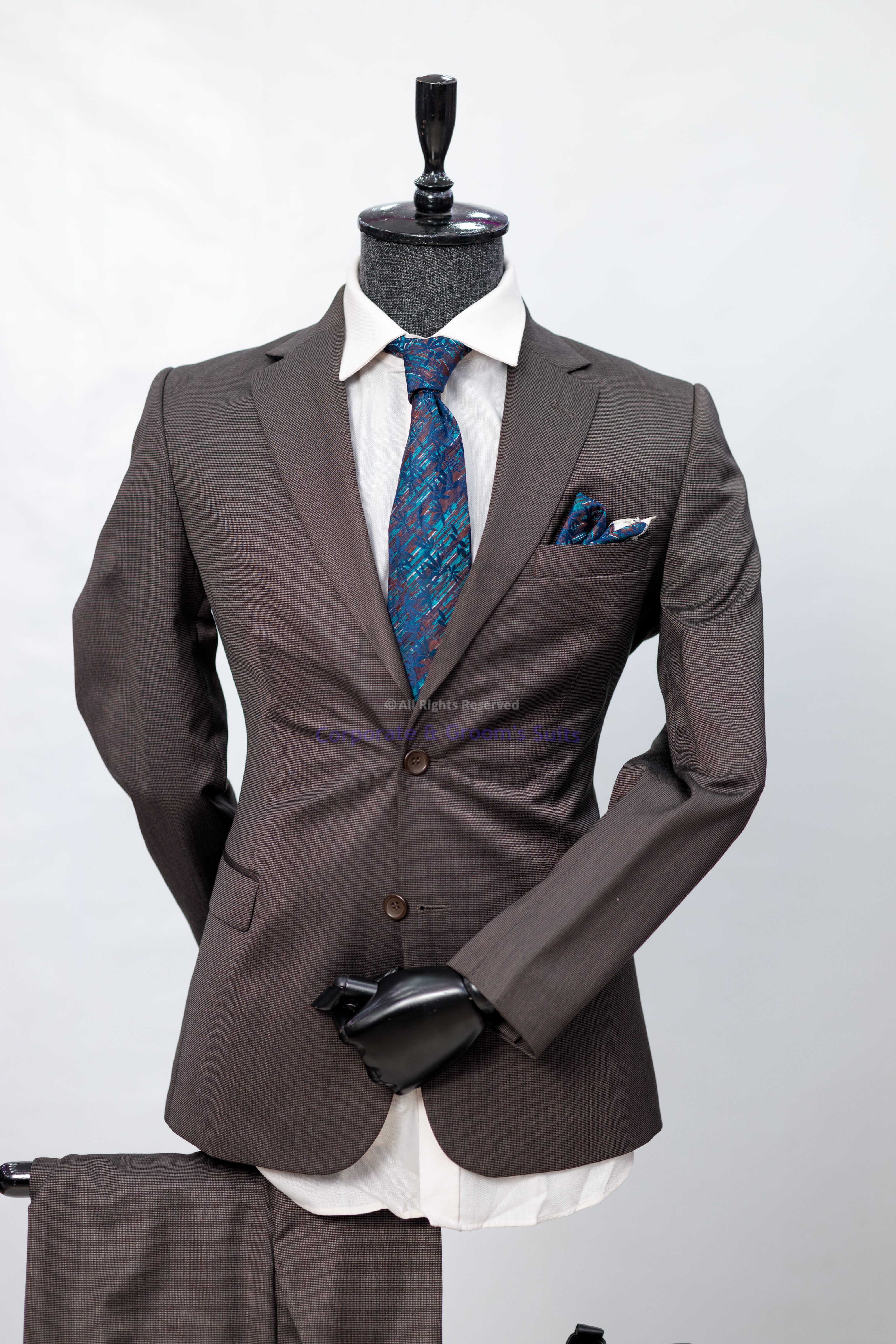
A modern twist on classic style, this charcoal gray wool suit features a slim, flattering fit that complements any professional setting. Made from 100% fine wool, it offers durability and wrinkle resistance for a polished look. Ideal for the driven professional looking to stand out.


Light Gray Wool Suit for Versatile Style
Make a statement with this bold royal blue wool suit, designed for those who embrace contemporary style. Its rich color and tailored fit are complemented by the softness of fine wool, offering a comfortable yet striking look suitable for both work and special occasions.


Our Suits range from 300k to 1.5m Ugx… all are quality new originals… never copies…😁 We have the best selection of Suits in Kampala…👍🏽Chat with us on WhatsApp: https://wa.link/suitsavenuechat 🔥
Light Gray Wool Suit for Versatile Style


Our Suits range from 300k to 1.5m Ugx… all are quality new originals… never copies…😁 We have the best selection of Suits in Kampala…👍🏽Chat with us on WhatsApp: https://wa.link/suitsavenuechat 🔥


Our Suits range from 300k to 1.5m Ugx… all are quality new originals… never copies…😁 We have the best selection of Suits in Kampala…👍🏽Chat with us on WhatsApp: https://wa.link/suitsavenuechat 🔥
This timeless navy wool suit exudes sophistication with a sleek, tailored fit. Perfect for both boardroom meetings and formal events, the suit’s breathable fabric keeps you comfortable all day. Expertly crafted from premium Italian wool, it offers a refined look that never goes out of style.


Our Suits range from 300k to 1.5m Ugx… all are quality new originals… never copies…😁 We have the best selection of Suits in Kampala…👍🏽Chat with us on WhatsApp: https://wa.link/suitsavenuechat 🔥
A modern twist on classic style, this charcoal gray wool suit features a slim, flattering fit that complements any professional setting. Made from 100% fine wool, it offers durability and wrinkle resistance for a polished look. Ideal for the driven professional looking to stand out.


Our Suits range from 300k to 1.5m Ugx… all are quality new originals… never copies…😁 We have the best selection of Suits in Kampala…👍🏽Chat with us on WhatsApp: https://wa.link/suitsavenuechat 🔥
Make a statement with this bold royal blue wool suit, designed for those who embrace contemporary style. Its rich color and tailored fit are complemented by the softness of fine wool, offering a comfortable yet striking look suitable for both work and special occasions.


Our Suits range from 300k to 1.5m Ugx… all are quality new originals… never copies…😁 We have the best selection of Suits in Kampala…👍🏽Chat with us on WhatsApp: https://wa.link/suitsavenuechat 🔥
Premium Wool Blend Suit in Deep Olive

🔥Conclusion: Why Wool is the Superior Choice for Suits

Conclusion: Why Wool is the Superior Choice for Suits

In summary, wool offers a unique combination of breathability, durability, insulation, and aesthetic appeal that other fabrics simply can’t match. Wool suits keep you comfortable in all weather conditions, stand up to wear and tear, and maintain a sharp, professional look. For anyone looking to invest in a suit that balances style, comfort, and longevity, wool is the clear winner.

At Suits Avenue, we take pride in offering premium wool suits crafted with the finest materials from Turkey and Italy. Our collection showcases the best of what wool has to offer, ensuring that every suit provides unparalleled quality and elegance. Discover the perfect wool suit today, and experience firsthand why wool is the best fabric for suits.

https://videos.files.wordpress.com/Q7HqDvOq/sa-grid-video-and-photo-october-2024-3.mp4

🔥FAQ

1. What makes wool a good fabric for suits?

Wool is breathable, durable, and offers excellent insulation, making it comfortable for year-round wear while maintaining its shape and style over time.

2. Are wool suits suitable for all seasons?

Yes! Wool is a versatile fabric that keeps you cool in the summer and warm in the winter due to its natural breathability and insulation properties.

3. How long does a wool suit last?

With proper care, a high-quality wool suit can last for years. Wool is naturally durable and resists wear and tear, making it a long-lasting investment.

4. Do wool suits wrinkle easily?

No, wool is naturally resistant to wrinkles, helping your suit maintain a sharp, crisp appearance even after long hours of wear.

5. How should I care for my wool suit?

It’s best to dry clean your wool suit occasionally and store it in a cool, dry place with enough space to avoid creases. Hanging it after wear helps maintain its shape.

6. What types of wool are used in suits?

Wool suits are typically made from fine wool like Merino, which is known for its softness and durability, or wool blends, which combine wool with other fabrics for extra versatility.

7. Are wool suits expensive?

Wool suits are often more expensive than those made from synthetic fabrics, but their durability, comfort, and timeless appeal make them a worthwhile investment.

8. Can I wear a wool suit to formal events?

Absolutely! Wool suits are ideal for both professional and formal occasions, offering a polished, sophisticated look that’s perfect for weddings, business meetings, and more.

9. Is wool a sustainable fabric?

Yes, wool is a natural and renewable resource. It’s biodegradable and has a smaller environmental footprint compared to synthetic fabrics, making it an eco-friendly choice.

10. Where can I buy high-quality wool suits in Kampala?

You can find premium wool suits at Suits Avenue in Kampala, known for offering luxury suits made from the finest wool materials imported from Turkey and Italy.


Click here for Quality Leather Shoes

Suits Avenue Blogs

Elevate Your Style with Premium Wool Suits in Kampala | Suits Avenue

Elevate Your Style with Premium Wool Suits in Kampala | Suits Avenue


WhatsApp Us Now

🔥A New Chapter in Style: Wool Suits for the Aspiring Professional in Kampala

January 25th 2024

In the heart of Kampala, where aspirations soar and dreams take flight, a young professional’s journey is often marked by their attire. As the bustling city paves the way for the leaders of tomorrow, Suits Avenue stands at the forefront, ready to drape the future in elegance and class. It’s not just about wearing a suit; it’s about embodying an ethos of excellence and determination. For the graduates stepping boldly into the corporate world and the young corporates poised to redefine it, Suits Avenue presents its exquisite collection of wool suits—your armor in the pursuit of success.


Classic Charcoal" Wool Blend Suit 🌚
450k Ugx, Wool Blend

🔥 Crafted Perfection: The Wool Blend Suits

From the historic looms of Turkey, each thread weaves a tale of precision and passion. Suits Avenue takes pride in its exclusive collection of wool blend suits, a testament to the legacy of quality and craftsmanship. The fabric, a harmonious blend of tradition and innovation, offers comfort that lasts from dawn till dusk and a style that transcends the boardroom. Embrace the palette of sophistication with colors that speak your language—blue for the visionary, green for the innovator, maroon for the strategist, grey for the analyst, and black for the ace negotiator. Each color, a narrative of your journey; each suit, a chapter of your success story.


450k Ugx, Wool Blend
Make a statement with the “Classic Charcoal” Wool Blend Suit. Designed for the office and beyond, this suit is the epitome of understated elegance. Available in sizes 40 to 70, priced at just 450,000 Ugx. Choose a shade that’s as versatile as your professional and social calendar.


450k Ugx, Wool Blend
Make a statement with the “Classic Charcoal” Wool Blend Suit. Designed for the office and beyond, this suit is the epitome of understated elegance. Available in sizes 40 to 70, priced at just 450,000 Ugx. Choose a shade that’s as versatile as your professional and social calendar.


450k Ugx, Wool Blend
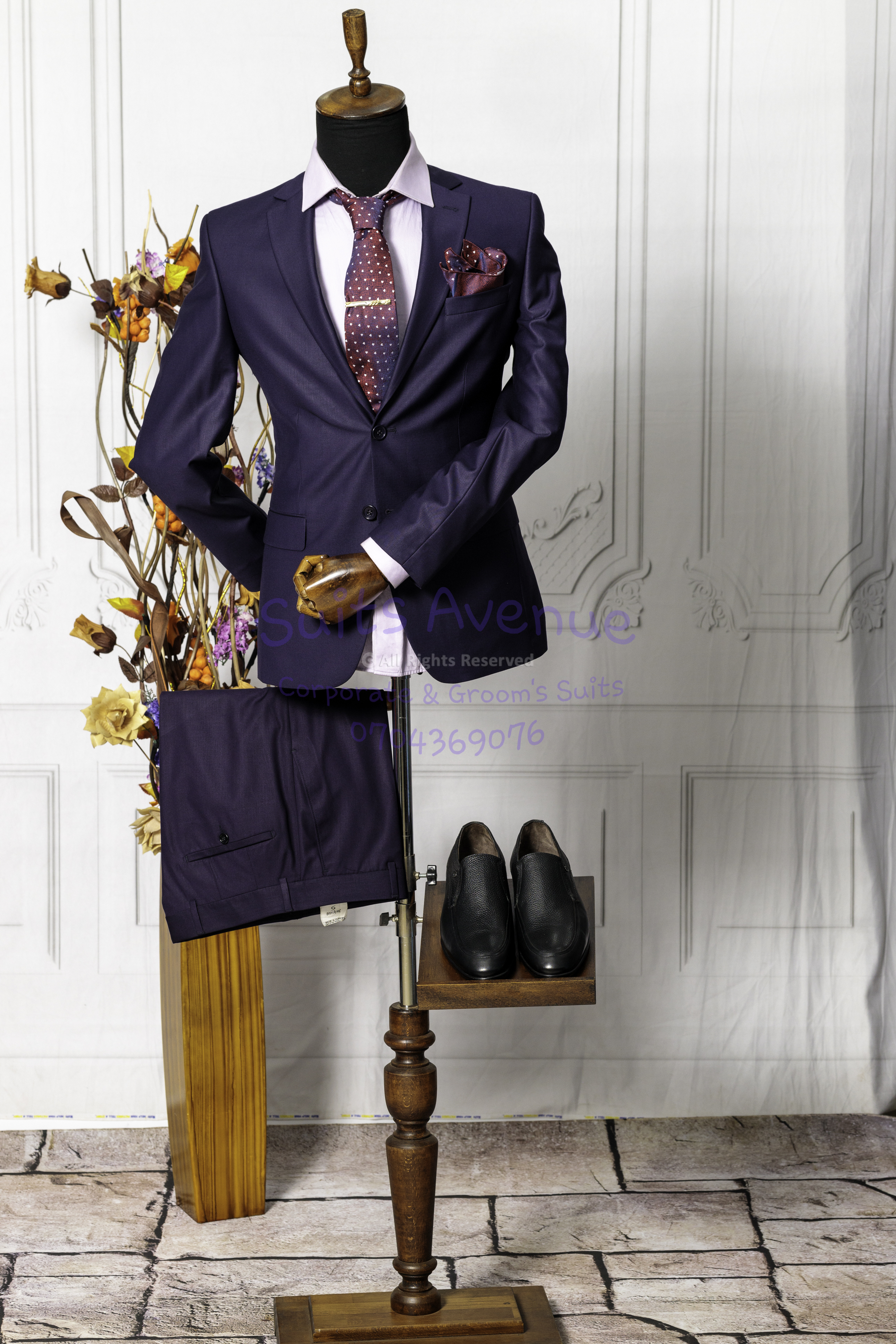
Embody the essence of style with our “Bold Purple” Wool Blend Suit. The ultimate choice for the office or church, this suit speaks volumes without saying a word. Sizes 40 to 70 available at 450,000 Ugx. Step into a color that’s as timeless as your taste and as bold as your ambitions.


450k Ugx, Wool Blend
Embody the essence of style with our “Bold Purple” Wool Blend Suit. The ultimate choice for the office or church, this suit speaks volumes without saying a word. Sizes 40 to 70 available at 450,000 Ugx. Step into a color that’s as timeless as your taste and as bold as your ambitions.
”


450k Ugx, Wool Blend
Dive into success with our “Boardroom Blue” Wool Blend Suit. Perfect for the office or an elegant church gathering, this suit exudes confidence and class. Available in sizes 40 to 70, priced at 450,000 Ugx. Don’t just meet expectations, exceed them in a hue of blue that commands respect.


450k Ugx, Wool Blend
Dive into success with our “Boardroom Blue” Wool Blend Suit. Perfect for the office or an elegant church gathering, this suit exudes confidence and class. Available in sizes 40 to 70, priced at 450,000 Ugx. Don’t just meet expectations, exceed them in a hue of blue that commands respect.

🔥Tailored for Triumph: A Companion for the Ambitious

In the ever-evolving landscape of corporate Uganda, making a mark goes beyond skills and intellect; it’s an expression of your persona. Suits Avenue’s wool suits are more than attire; they are a companion in your professional odyssey. Designed with the understanding that every detail counts, these suits resonate with the aspirations of graduates and young corporates alike. The fit, impeccable; the look, commanding. Step into your suit and feel the transformation, not just in your appearance but in your spirit. As you chart your path in the corporate maze, let your suit be the armor that shields your ambition and the banner that heralds your arrival.


Dive into success with our "Boardroom Blue" Wool Blend Suit. Perfect for the office or an elegant church gathering, this suit exudes confidence and class. Available in sizes 40 to 70, priced at 450,000 Ugx. Don't just meet expectations, exceed them in a hue of blue that commands respect.
450k Ugx Wool Blend Suit

🔥Voices of Victory: The Testament of the Trailblazers

Behind every suit is a story of ambition, of milestones achieved and dreams realized. Suits Avenue is not just a store; it’s a sanctum of success stories. Hear from the trailblazers who embraced our wool suits and stepped into realms beyond the ordinary. From university graduates who aced their first interviews to young corporates who clinched that pivotal deal, our suits have been silent witnesses to countless victories. Their testimonials are not just words; they are echoes of our commitment to quality and style.


450k Ugx, Wool Blend
Cultivate your style with the “Green of Growth” Wool Blend Suit. Ideal for professionals and church-goers alike, this suit is a testament to progress and prosperity. Sizes 40 to 70 available at just 450,000 Ugx. Step into a shade that celebrates your ambition and achievements.Designed for the office and beyond, this suit is the epitome of understated elegance. Available in sizes 40 to 70, priced at just 450,000 Ugx. Choose a shade that’s as versatile as your professional and social calendar.


450k Ugx, Wool Blend
Cultivate your style with the “Green of Growth” Wool Blend Suit. Ideal for professionals and church-goers alike, this suit is a testament to progress and prosperity. Sizes 40 to 70 available at just 450,000 Ugx. Step into a shade that celebrates your ambition and achievements.


450k Ugx, Wool Blend
Make a statement with the “Classic Charcoal” Wool Blend Suit. Designed for the office and beyond, this suit is the epitome of understated elegance. Available in sizes 40 to 70, priced at just 450,000 Ugx. Choose a shade that’s as versatile as your professional and social calendar.


450k Ugx, Wool Blend
Make a statement with the “Classic Charcoal” Wool Blend Suit. Designed for the office and beyond, this suit is the epitome of understated elegance. Available in sizes 40 to 70, priced at just 450,000 Ugx. Choose a shade that’s as versatile as your professional and social calendar.


450k Ugx, Wool Blend
Define sophistication with the “Gravity Grey” Wool Blend Suit. A versatile choice for office wear or church settings, this suit adds a touch of elegance to any occasion. Available in sizes 40 to 70 for 450,000 Ugx. Let your presence be felt in a color that’s both classic and contemporary.


450k Ugx, Wool Blend
Embody the essence of style with our “Bold Black” Wool Blend Suit. The ultimate choice for the office or church, this suit speaks volumes without saying a word. Sizes 40 to 70 available at 450,000 Ugx. Step into a color that’s as timeless as your taste and as bold as your ambitions.
“Classic Charcoal” Wool Blend Suit 🌚

🔥The Invitation: Begin Your Journey with Elegance

As the sun sets on your academic journey and dawns upon your professional saga, Suits Avenue invites you to embrace the transformation. Our collection of wool suits, a blend of tradition and trend, awaits to drape you in confidence and charisma. With sizes that embrace every physique and prices that acknowledge your aspirations, stepping into your future has never been easier. Visit us in the heart of Kampala, connect through our WhatsApp link, and let us be the tailors of your success story. At 450,000 Ugx, embark on your corporate journey with a wardrobe that reflects your ambition and a style that announces your arrival.


Click here for Quality Leather Shoes

Suits Avenue Blogs

Why Wool Suits | Super 180s Wool

Why Wool Suits, Super 180s Wool vs 100s Wool: What’s the Difference?”


WhatsApp Chat

Super 180s Wool vs 100s Wool: What’s the Difference? (Part I)

Wool is a popular fabric used for suits and other formal clothing. But not all wool is the same. There are different types of wool, and they have different characteristics and qualities. In this blog post, we will discuss the difference between super 180s wool and 100s wool, two common types of wool used in suits.

First, let’s talk about what these numbers mean. The number in front of the “s” refers to the fineness or thickness of the wool fiber. The higher the number, the finer and thinner the fiber. This means that a suit made of super 180s wool will be made of finer wool fibers than a suit made of 100s wool.

The fineness of the wool fiber affects the texture, feel, and appearance of the fabric. Super 180s wool is known for its softness, smoothness, and drape. It has a luxurious feel and looks very elegant. On the other hand, 100s wool is thicker and coarser than super 180s wool. It has a more rugged texture and can feel rougher to the touch.

In addition to the texture and feel, the fineness of the wool fiber also affects the durability and longevity of the fabric. Super 180s wool is more delicate than 100s wool, and may not be as durable over time. It requires extra care and attention to maintain its quality. On the other hand, 100s wool is more durable and resistant to wear and tear, making it a great choice for everyday wear.

When it comes to choosing between super 180s wool and 100s wool, it ultimately comes down to personal preference and the intended use of the suit. Super 180s wool is a great choice for special occasions, such as weddings or formal events, where you want to look your best and make a statement. 100s wool is a good choice for everyday wear, such as work suits or business attire, where you need a durable and reliable fabric.

Stay tuned for Part II of this blog series, where we will dive deeper into the differences between super 180s wool and 100s wool, including their price range and availability.

Quality Men’s Suits in Uganda at Suits Avenue Kampala

Part II: 100s Wool

As mentioned in Part I, 100s wool is the most common type of wool used for suits. This type of wool is a good choice for those on a budget, as it is typically less expensive than higher numbered wools. It is also durable and easy to care for.

100s wool refers to the diameter of the individual fibers used to create the fabric. The higher the number, the finer and softer the wool. However, the lower the number, the more durable and less prone to wrinkling the wool will be. 100s wool is considered a mid-range option that provides a balance of durability and comfort.

Suits made from 100s wool are a good choice for daily wear, as they are comfortable, durable, and can withstand frequent use. They are also suitable for a range of temperatures, making them versatile for year-round wear. However, it’s important to note that 100s wool may not have the same level of luxury as higher-numbered wools, and may not drape as well as other types of wool.

In summary, 100s wool is a solid choice for those looking for a good balance of quality and affordability. While it may not have the same level of luxury as higher-numbered wools, it is still a durable and comfortable option that is suitable for daily wear.

Find Your Perfect Fit: Men’s and Boys’ Suits at Suits Avenue Kampala

While super 180s wool has a lot of benefits, it’s not without its drawbacks. Here are some of the advantages and disadvantages of super 180s wool versus 100s wool:

Advantages of Super 180s Wool:

  • Finer fibers result in a softer and smoother texture, making the fabric feel more luxurious.
  • Has a finer weave, which means it drapes better on the body and creates a more elegant silhouette.
  • More breathable, as the finer fibers allow air to pass through the fabric more easily.
  • Can be dyed more deeply, which results in richer, more saturated colors.

Disadvantages of Super 180s Wool:

  • More delicate and prone to damage, as the finer fibers are more susceptible to wear and tear.
  • Can be more difficult to maintain, as it requires more delicate handling and care to maintain its quality.
  • More expensive than 100s wool, as it requires more careful processing and production.

Advantages of 100s Wool:

  • Durable and long-lasting, as the thicker fibers are more resistant to wear and tear.
  • More affordable than super 180s wool, as it is easier to produce and requires less processing.
  • Easier to maintain, as it can withstand regular wear and tear with minimal damage.

Disadvantages of 100s Wool:

  • Has a coarser texture, which may not feel as luxurious as super 180s wool.
  • May not drape as well on the body, resulting in a less elegant silhouette.
  • Can be less breathable, which may cause discomfort in warmer weather.

In conclusion, both super 180s wool and 100s wool have their unique advantages and disadvantages. Choosing between the two largely depends on personal preference, as well as the occasion and climate in which the suit will be worn. It’s important to consider the benefits and drawbacks of each type of wool before making a purchase, so you can make an informed decision that best suits your needs.


Best selection of Wool Suits in Kampala.

Part IV: Choosing the Right Wool for Your Suit

Now that you know the differences between super 180s and 100s wool, it’s important to choose the right wool for your suit. Here are some factors to consider:

  1. Occasion: For formal events such as weddings or business meetings, it’s best to go for super 180s wool suits. They have a smoother and more luxurious finish that will make you stand out from the crowd.

  2. Climate: If you live in a warmer climate, 100s wool suits are a good option. They are lightweight and breathable, making them perfect for summer or spring.

  3. Comfort: If you prioritize comfort over luxury, 100s wool suits are the way to go. They are less delicate and less likely to wrinkle, which makes them a good option for everyday wear.

  4. Budget: Super 180s wool suits are more expensive than 100s wool suits due to the finer fibers used. If you’re on a tight budget, 100s wool suits can still look great and offer excellent value for money.

Ultimately, the choice between super 180s and 100s wool suits depends on your personal preference and circumstances. Whichever one you choose, make sure to take proper care of it to ensure it lasts for years to come.

In conclusion, the quality of the wool used in a suit can make a significant difference in its appearance, durability, and feel. While super 180s wool is a more luxurious option, 100s wool is a practical and durable option that can still look great. Understanding the differences between the two can help you make an informed decision when choosing a suit that fits your needs and budget.


Best selection of Wool Suits in Kampala.

Part V: Conclusion – Why Super 180s Wool is Worth the Investment

In conclusion, while 100s wool may be a more affordable option, Super 180s wool is worth the investment for those looking for a high-quality suit. The benefits of Super 180s wool are clear: it’s incredibly soft, lightweight, and comfortable to wear. Plus, it drapes beautifully and is more resistant to wrinkles and creases.

It’s important to remember that investing in a Super 180s wool suit is just that: an investment. While the initial cost may be higher, the suit will last longer and maintain its shape and quality over time. And, with proper care and maintenance, it can become a staple in your wardrobe for years to come.

At Suits Avenue, we offer a wide selection of Super 180s wool suits in various colors, styles, and sizes. Our knowledgeable staff can help you find the perfect suit to fit your needs and budget. So, whether you’re looking for a suit for a special occasion or for everyday wear, consider the benefits of Super 180s wool and invest in a suit that will make you look and feel your best.


Click here for Suits on Sale!

Our Blogs on Fashion…

🐑 All about wool🐑

Introduction:

Welcome to Suits Avenue’s Blog! Today we are going to go over the ins and outs of wool!! See our table of contents below for more details!  We added onto this blog from last week!

Come on into the store and check out what we have for you!

Table of Content:

  • What is wool?
  • Why is Wool Harvesting humane?
  • What Animals do wool come from?
  • History of wool
  • How do you get wool
  • How to color wool
  • Dealing with shrinking
  • How to care for wool
  • Fun Facts
  • Different Wool Weights
  • Different Weaves and Fabrics
  • Conclusion

WHAT IS WOOL?

Wool fibers — made mostly of alpha-keratin, which is found in all mammalian hair as well as horns and claws — stick together easily. The cells of their outer layer, or cuticle, have evolved to overlap like tiny shingles, creating spots for one fiber to catch on another as they are twisted. Modern wool fibers range from a fine 16 microns in diameter, from merinos, to 40 microns.

WHY IS WOOL HARVESTING HUMANE? 

  • Wool is hot. Too much of it impairs their temperature regulation mechanisms, and they can easily become overheated if not shorn annually.
  • Wool catches dirt and manure attracting insects.
  • Wool builds up around their joints and makes them heavier, impairing their movement. This makes them an easier target for predators.
  • If the fleece gets too low to the ground, it can pick up irritating grasses, weeds, and stickers, which can work their way down to the skin. If left untreated, contaminants can cause infection.
  • It improves overall hygiene, making the sheep healthier and lowering their risk of disease.
  • Sheep are sheared soon after they’ve given birth, in the late spring or early summer. The lambs are born with no wool, and, in many regions, would be likely to freeze if their mother brings them out from shelter. Shearing the ewe puts her in the same situation as the young, and keeps her in the warmth where the baby is safe.
  • It makes it easier for lambs to nurse.
  • Wool can build up around their face causing blindness.

WHAT ANIMALS DO WOOL COME FROM:

Sheep are the most prevalent producers of wool, though it also comes from rabbits, goats and alpacas. Here are some commonly used types of wool:

  • Alpaca fiber is considered luxury material because it is soft and fine. It is popular for spinning and knitting, and is also used for hair on dolls and figurines.

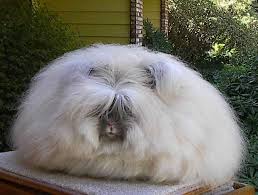
  • Angora rabbit wool is considered one of the finest fibers, prized for its softness and fluffiness. Typically mixed with silk, cashmere or sheep’s wool, it is used to make sweaters.
  • Cashmere goat wool is extremely soft and tends to be expensive because the combing and shearing of Cashmere goats is very time consuming.

  • Cheviot sheep wool is the foundation fiber of the famous Scotch Tweed industry. It is also used for outerwear, socks and needle felting.
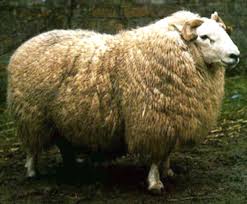
  • Columbia sheep wool is known for light shrinkage, softness and length. It is an excellent all-purpose fleece that is soft enough to wear next to the skin.
Click here to read all about leather!

  • Dorset sheep produce very white fleece that is strong and free from dark fiber. Dorsets are the No. 1 white-faced breed in the United States.

  • Friesian milk sheep are large-framed sheep with white wool that makes lofty, warm quilt batting and is good for needle felting.
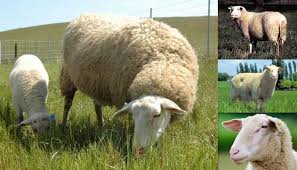
  • Hampshire sheep wool is used for hard-wearing elastic yarns, felting and quilt batting and is a good needle felting wool.

  • Lincoln sheep grow long, heavy wool used for specialty knitting yarns, upholstery yarns and hand-knitted carpet yarns. It also provides shiny hairpieces for people and dolls.

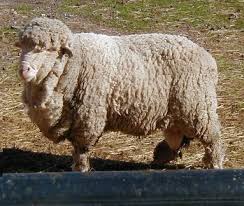
  • Merino sheep wool is the finest and softest of all sheep wool. It is used in intense cold-weather applications for its breathability, temperature regulation and moisture control. It is also used for felting of purses, bowls, slippers and scarves.

  • Montadale sheep produce fleece popular with hand spinners that is used for sweaters, socks, scarves, hats and needle felting.

  • Romney sheep are known for heavy, lustrous fleece that grows up to six inches per year. It is popular for needle felting.

HISTORY OF WOOL: 

Clothing and other items made of wool have been found throughout much of the ancient world, from 3,400-year-old Egyptian yarn to fragmentary textiles unearthed in Siberian graves dating from the first century B.C.

Wool has stood in for even more precious fabrics: In 18th-century Norway, when the king forbade the wearing of silk by commoners, farmers opted for imported worsted wool fabric, which had a similar sheen.

HOW DO YOU GET WOOL:

https://youtu.be/XASfFO3w2O8 

Wool is shaved from the animals for our use of the fibers but also for the comfort of the animals. If they are not routinely shaved it will become over grown, matted, dirty and uncomfortable. The time between shaves depends on the breed of animals and the animal itself.

Click here to read about  seeing the quality in a suit before you buy!

HOW TO COLOR WOOL: 

https://youtu.be/K52PgtL7EnQ

1. Choose a Dyepot

The best recipes for dyeing wool all require heat, either heating the dyebath to a simmer with the wool in it, or applying the dye directly to the wool and then steaming to set the dye. You will need a dyeing pot. Unless you are going to restrict yourself to using only food coloring to dye your wool, you will need a special pot just for dyeing in, because textile dyes are not considered safe to use in the same pots in which you prepare food.

Dyepot material

Since aluminum will react with all of the acids used as auxiliary chemicals in the dyebaths used to dye wool, you must not choose aluminum for your dyepot, though you can use it for a steamer.

The best choice will be stainless steel, because it resists all dyeing chemicals (though even stainless steel can be damaged by failing to stir the salt into the water after you add it, to dissolve it thoroughly).

Another good choice is enamel. Enamel-covered steel canning pots are relatively inexpensive. Enamel chips easily, but it can be repaired. You must not use a chipped enamel pot, because the steel under the enamel will affect your dye colors, but it is safe to use a heat-resistant waterproof enamel paint to repair chips in your dyepot, although this is something you should not do with pots that you use for cooking food.

Dyepot size

You should be careful to use a sufficiently large pot for your dyeing. For smooth, solid-color dyeing, whatever you dye should be free to move freely in the water in your dyeing pot. If the material is cramped, you will get uneven results, with darker and lighter regions. Unless you will be dyeing only very small quantities at a time, try to get a pot that is at least three gallons in size, or larger for larger items. p>

Canning jars

An excellent way to dye small quantities of yarn or fabric in different colors is to use quart-sized canning jars. This can also get around the requirement for a non-aluminum pot; if you do all of your dyeing in glass jars, it doesn’t matter what the outer pot is made of. Use a rack to keep the jars off the bottom of the pot, and fill the pot with water to the same level outside the jars as your small dyebaths are within the jars. Cover the pot and heat it until the waterbath surrounding the jars reaches the desired temperature.

Other equipment

A thermometer is handy for making sure your dyebath is at the desired temperature; buy one that is either glass or stainless steel. Don’t use your kitchen thermometers for dyeing, or your dyeing thermometers for cooking. You can buy a thermometer from your dye supplier, a local home brewing supplier (for beer- and wine-making), or a chemical supplies company. It should cover the range from freezing (32°F or 0°C) to boiling (212°F or 100°C).

You will also need measuring cups, spoons, pipettes, or graduated cylinders, long-handled plastic or fiberglass spoons to stir with, jar-lifters for handling quart jars, and probably also some tongs for lifting dyed fiber.

2. Choose your dye

Dyes for Wool and other animal fibers

Acid dyes are the most popular dyes used on wool, and comprise a very wide range of different dyes. Some of the many different available acid dyes include food dyes, Metal Complex (or premetallized) Acid Dyes, Washfast Acid dyes, Acid Leveling dyes, and One Shot dyes. For more information on acid dyes, see About Acid dyes. Fiber reactive dyes such as Procion MX, Cibacron F, and Drimarene K can also be used as acid dyes on wool; see Reactive dyes on protein fibers.

Natural dyes. Many natural dyes work very well on protein fibers, such as wool. Most will require a mordant, such as alum, copper, tin, or iron, so they are not necessarily more on-toxic than synthetic dyes. See the page, About Natural Dyes.

Lanaset dyes. The longest lasting, most wash-resistant, richest of hand dyes available for dyeing wool in the US are the Lanaset dyes. The Lanaset dyes comprise a selection of both acid dyes and fiber reactive dyes that are designed for wool. Unlike other dyes for wool, Lanaset dyes can be washed in hot water without fading badly. They are often difficult to obtain other countries in quantities small enough for hand dyeing.

Vinyl sulfone dyes (vinyl sulphone, if you are British), also known as Remazol dyes, are a type of fiber reacfive dye that is often used in silk painting. Unlike Procion MX dyes, they can be applied to wool under acid conditions as true fiber reactive dyes, rather than as acid dyes; see Vinyl Sulfone Fiber Reactive Dyes. Note that ProChem sells these under the name “Liquid Reactive Dyes”, Dharma Trading Company as “Vinyl Sulphon”, and other suppliers as “Remazol” dyes.

Vat Dyes, such as indigo, can also be used to dye wool and other protein fibers, but the recipe must be modified to avoid pHs high enough to damage the wool. See About Vat dyes

All purpose dyes can be used to dye protein fibers, because they include an acid dye in their mixture. See All Purpose Dyes. The color might be slightly different than expected, and the expense is higher than with other dyes.

3. Find the Right Instructions

The different types of dyes used on wool are not interchangeable. All require a mild acid, such as vinegar, citric acid, ammonium sulfate, or sodium acetate, but not necessarily in the same quantities, and some require additional chemicals such as salt, Albegal SET, or sodium sulfate (Glauber’s salt). Some dyes require a significantly lower (more acidic) pH than others; using a pH that is too low or too high for your specific dye will reduce your success in dyeing. After you choose your dye, find a wool-dyeing recipe that specifies that particular sort of dye. Your dye should come with its specific instructions.

DEALING WITH SHRINKING:

As everyone knows, wool is subject to shrinkage. The only exception to this is chemically-treated wool, such as Superwash or Smartwool. However, the wool fibers do not themselves shrink in length. Instead, when subjected to heat and agitation in the presence of water, the fibers become more and more closely interlocked, with the scales on the fibers acting like the teeth in a ratchet. If you want to prevent felting and shrinkage, you must be careful to avoid agitating your wool while it’s in the hot dyebath. With cellulose fibers, you must stir your dyebath frequently to avoid uneven dyeing, but wool dyes and their auxiliary chemicals are chosen to allow level dyeing without stirring the fiber.

Be careful to avoid sudden temperature changes. Raise and lower the temperature of your wool only gradually. You don’t want to shock your wool.

When dyeing wool that will be used later for intentional felting, use a washfast dye such as the Lanaset dyes. Less washfast dyes may bleed when felted

Click here to read about how a suit should fit! 

HOW TO CARE FOR WOOL: 

  • Empty pockets after every wearing to keep them from bulging or sagging.
  • Treat small stains by rinsing them with cold water or seltzer and then blotting them dry with a clean cloth. If the garment is labeled “hand wash,” clean it using your washer’s hand wash or wool cycle with cool water.
  • To remove excess water after washing, gently roll the garment in a towel.
  • Dry on a flat surface away from direct heat or sunlight.
  • When traveling, loosely roll or fold wool garments with tissue paper to keep the fabric’s shape and avoid wrinkles.
  • To freshen a wrinkled garment, hang it in a steamy bathroom. A warm iron on the wool or steam setting can also be used.
  • Dry cleaning once a season is usually sufficient to keep wool garments in good shape

Fun Facts:

  • That itch from your warm winter woolies? Most likely it’s sensitivity to thicker (and coarser) fiber diameter or fiber ends, not a wool allergy, which is practically unknown.
  • Besides clothing, wool has quite a few industrial uses, from piano dampers to absorbent pads for those baaaaad oil spills.
  • Wool is also biodegradable. It breaks down slowly, fertilizing the plants with a generous nitrogen content of a whopping 17 percent compared with the 6 percent nitrogen in commercial turf products. And it is water-retentive.
  • In a seeming paradox, wool can absorb and repel water simultaneously. The outer surface of wool fiber is made up of fatty acid proteins and does not absorb liquid. However, structural features in the fiber’s interior, called salt linkages, can sop up copious amounts of moisture in vapor form.

Wool weights:

The thickness, Pure, high quality, virgin wool is defined as such by the thinness of the thread with which weaving is carried out. The thinner the thread, therefore with a lower micron count, the higher the quality.

DIFFERENT WOOL WEAVES AND FABRICS: 

Beaver cloth is a heavy woolen overcoating, napped and pressed down to resemble beaver fur.

Broadcloth is an all woolen or worsted fabric with a velvety feel.

Challis, a light weight soft wool fabric in plain weave, has a printed or woven design or flowers.

Cheviot, usually Scotch wool is a soft, fine wool that is heavier than serge.

Chinchilla cloth is a heavy, spongy woolen overcoat fabric with a long nap that has been rubbed into a curly, nubby finish.

Felt fabric is a compact sheet of entangled, not woven wool or fur fibers. The felt is produced by processing a mat of fibers with moisture, heat, and pressure.

Flannel wool is a soft, lightweight fabric with a nap on one or both sides.

Click here to learn how to make sure your outfit matches!

Gabardine is a tightly woven wool twill with a high sheen. This fabric is excellent for tailoring and wears well.

Glen checks are usually seen in menswear and originated in Scotland. It is characterized by a variety of small, even check designs.

Harris tweed is a hand woven fabric from Scotland with a soft feel.

Herringbone wool is woven in a twill that is reversed at regular spacing, creating a sawtooth line.

Homespun is a loose, strong, durable woolen woven either by hand or machine with a coarse feel.

Lambsdown is a heavy knit fabric that has a spongy fleeced nap on one side.

Linsey-woolsey is a coarse fabric first made in Lindsey, England, of wool combined with flax or cotton.

Loden fabric is a thick, soft, waterproof, windproof, wool used in outerwear that has a characteristic green color.

Melton, a heavy, thick, short napped woven fabric that has been fulled.

Oatmeal Cloth is a durable, soft wool with a pebbled face.

Petersham, a very thick, waterproof woolen coating, usually dark blue, is used for men’s trousers or heavy coats.

Click here to read about being the BEST best man!  

Pilot Cloth is a coarse, heavy, stout twilled woolen that is heavily napped and navy blue. Used by seamen.

Sharkskin is woven with warp and filling yarns of alternating white with black, brown or blue.

Tartan is a twilled plaid design, originally Scottish.

Tweed is a rough textured wool, originally homespun and slightly felted. This fabric is sturdy with a mottled color

Conclusion:

Today we went over, what wool is, why its humane it harvest it, the history, how to get it, color it and care for it! We also went over most of the wool fabrics and weaves! If you have any questions please feel free to come into the store!

“THEY HELPED ME MATCH SHIRT AND TIE… I FEEL CONFIDENT.”
MUGISHAAttoreny
“THESE GUYS ARE THE BEST IN TOWN, REAL REAL IMPORTED CLOTHES”
KITAKUYIOffice
I am slide content. Click edit button to change this text. Lorem ipsum dolor sit amet, consectetur adipiscing elit. Ut elit tellus, luctus nec ullamcorper mattis, pulvinar dapibus leo.
John DoeCEO
30 days before wedding Suits Avenue saved my neck, QUALITY and customer care
RobertCEO
The gals made look smart for my job interview..AND i won the position…Thx Suits Avenue
SimonEmployeed

Find us, Follow us, and like us on FACEBOOK for latest fashion Trends…


Facebook

Click and SHARE…We would love to help your friends look smart…🕺💃 

If you have any questions

Our Blogs on Fashion…

🐏In’s and Out’s of wool!🐏

Introduction:

Welcome to Suits Avenue’s Blog! Today we are going to go over the ins and outs of wool!! See our table of contents below for more details!  We added onto this blog from last week!

Come on into the store and check out what we have for you!

Table of Content:

  • What is wool?
  • Why is Wool Harvesting humane?
  • What Animals do wool come from?
  • History of wool
  • How do you get wool
  • How to color wool
  • Dealing with shrinking
  • How to care for wool
  • Fun Facts
  • Different Wool Weights
  • Different Weaves and Fabrics
  • Conclusion

WHAT IS WOOL?

Wool fibers — made mostly of alpha-keratin, which is found in all mammalian hair as well as horns and claws — stick together easily. The cells of their outer layer, or cuticle, have evolved to overlap like tiny shingles, creating spots for one fiber to catch on another as they are twisted. Modern wool fibers range from a fine 16 microns in diameter, from merinos, to 40 microns.

WHY IS WOOL HARVESTING HUMANE? 

  • Wool is hot. Too much of it impairs their temperature regulation mechanisms, and they can easily become overheated if not shorn annually.
  • Wool catches dirt and manure attracting insects.
  • Wool builds up around their joints and makes them heavier, impairing their movement. This makes them an easier target for predators.
  • If the fleece gets too low to the ground, it can pick up irritating grasses, weeds, and stickers, which can work their way down to the skin. If left untreated, contaminants can cause infection.
  • It improves overall hygiene, making the sheep healthier and lowering their risk of disease.
  • Sheep are sheared soon after they’ve given birth, in the late spring or early summer. The lambs are born with no wool, and, in many regions, would be likely to freeze if their mother brings them out from shelter. Shearing the ewe puts her in the same situation as the young, and keeps her in the warmth where the baby is safe.
  • It makes it easier for lambs to nurse.
  • Wool can build up around their face causing blindness.

WHAT ANIMALS DO WOOL COME FROM:

Sheep are the most prevalent producers of wool, though it also comes from rabbits, goats and alpacas. Here are some commonly used types of wool:

  • Alpaca fiber is considered luxury material because it is soft and fine. It is popular for spinning and knitting, and is also used for hair on dolls and figurines.

  • Angora rabbit wool is considered one of the finest fibers, prized for its softness and fluffiness. Typically mixed with silk, cashmere or sheep’s wool, it is used to make sweaters.

  • Cashmere goat wool is extremely soft and tends to be expensive because the combing and shearing of Cashmere goats is very time consuming.

  • Cheviot sheep wool is the foundation fiber of the famous Scotch Tweed industry. It is also used for outerwear, socks and needle felting.

  • Columbia sheep wool is known for light shrinkage, softness and length. It is an excellent all-purpose fleece that is soft enough to wear next to the skin.

  • Dorset sheep produce very white fleece that is strong and free from dark fiber. Dorsets are the No. 1 white-faced breed in the United States.

  • Friesian milk sheep are large-framed sheep with white wool that makes lofty, warm quilt batting and is good for needle felting.

  • Hampshire sheep wool is used for hard-wearing elastic yarns, felting and quilt batting and is a good needle felting wool.

  • Lincoln sheep grow long, heavy wool used for specialty knitting yarns, upholstery yarns and hand-knitted carpet yarns. It also provides shiny hairpieces for people and dolls.

  • Merino sheep wool is the finest and softest of all sheep wool. It is used in intense cold-weather applications for its breathability, temperature regulation and moisture control. It is also used for felting of purses, bowls, slippers and scarves.

  • Montadale sheep produce fleece popular with hand spinners that is used for sweaters, socks, scarves, hats and needle felting.

  • Romney sheep are known for heavy, lustrous fleece that grows up to six inches per year. It is popular for needle felting.

HISTORY OF WOOL: 

Clothing and other items made of wool have been found throughout much of the ancient world, from 3,400-year-old Egyptian yarn to fragmentary textiles unearthed in Siberian graves dating from the first century B.C.

Wool has stood in for even more precious fabrics: In 18th-century Norway, when the king forbade the wearing of silk by commoners, farmers opted for imported worsted wool fabric, which had a similar sheen.

HOW DO YOU GET WOOL:

https://youtu.be/XASfFO3w2O8 

Wool is shaved from the animals for our use of the fibers but also for the comfort of the animals. If they are not routinely shaved it will become over grown, matted, dirty and uncomfortable. The time between shaves depends on the breed of animals and the animal itself.

HOW TO COLOR WOOL: 

https://youtu.be/K52PgtL7EnQ

1. Choose a Dyepot

The best recipes for dyeing wool all require heat, either heating the dyebath to a simmer with the wool in it, or applying the dye directly to the wool and then steaming to set the dye. You will need a dyeing pot. Unless you are going to restrict yourself to using only food coloring to dye your wool, you will need a special pot just for dyeing in, because textile dyes are not considered safe to use in the same pots in which you prepare food.

Dyepot material

Since aluminum will react with all of the acids used as auxiliary chemicals in the dyebaths used to dye wool, you must not choose aluminum for your dyepot, though you can use it for a steamer.

The best choice will be stainless steel, because it resists all dyeing chemicals (though even stainless steel can be damaged by failing to stir the salt into the water after you add it, to dissolve it thoroughly).

Another good choice is enamel. Enamel-covered steel canning pots are relatively inexpensive. Enamel chips easily, but it can be repaired. You must not use a chipped enamel pot, because the steel under the enamel will affect your dye colors, but it is safe to use a heat-resistant waterproof enamel paint to repair chips in your dyepot, although this is something you should not do with pots that you use for cooking food.

Dyepot size

You should be careful to use a sufficiently large pot for your dyeing. For smooth, solid-color dyeing, whatever you dye should be free to move freely in the water in your dyeing pot. If the material is cramped, you will get uneven results, with darker and lighter regions. Unless you will be dyeing only very small quantities at a time, try to get a pot that is at least three gallons in size, or larger for larger items. p>

Canning jars

An excellent way to dye small quantities of yarn or fabric in different colors is to use quart-sized canning jars. This can also get around the requirement for a non-aluminum pot; if you do all of your dyeing in glass jars, it doesn’t matter what the outer pot is made of. Use a rack to keep the jars off the bottom of the pot, and fill the pot with water to the same level outside the jars as your small dyebaths are within the jars. Cover the pot and heat it until the waterbath surrounding the jars reaches the desired temperature.

Other equipment

A thermometer is handy for making sure your dyebath is at the desired temperature; buy one that is either glass or stainless steel. Don’t use your kitchen thermometers for dyeing, or your dyeing thermometers for cooking. You can buy a thermometer from your dye supplier, a local home brewing supplier (for beer- and wine-making), or a chemical supplies company. It should cover the range from freezing (32°F or 0°C) to boiling (212°F or 100°C).

You will also need measuring cups, spoons, pipettes, or graduated cylinders, long-handled plastic or fiberglass spoons to stir with, jar-lifters for handling quart jars, and probably also some tongs for lifting dyed fiber.

2. Choose your dye

Dyes for Wool and other animal fibers

Acid dyes are the most popular dyes used on wool, and comprise a very wide range of different dyes. Some of the many different available acid dyes include food dyes, Metal Complex (or premetallized) Acid Dyes, Washfast Acid dyes, Acid Leveling dyes, and One Shot dyes. For more information on acid dyes, see About Acid dyes. Fiber reactive dyes such as Procion MX, Cibacron F, and Drimarene K can also be used as acid dyes on wool; see Reactive dyes on protein fibers.

Natural dyes. Many natural dyes work very well on protein fibers, such as wool. Most will require a mordant, such as alum, copper, tin, or iron, so they are not necessarily more on-toxic than synthetic dyes. See the page, About Natural Dyes.

Lanaset dyes. The longest lasting, most wash-resistant, richest of hand dyes available for dyeing wool in the US are the Lanaset dyes. The Lanaset dyes comprise a selection of both acid dyes and fiber reactive dyes that are designed for wool. Unlike other dyes for wool, Lanaset dyes can be washed in hot water without fading badly. They are often difficult to obtain other countries in quantities small enough for hand dyeing.

Vinyl sulfone dyes (vinyl sulphone, if you are British), also known as Remazol dyes, are a type of fiber reacfive dye that is often used in silk painting. Unlike Procion MX dyes, they can be applied to wool under acid conditions as true fiber reactive dyes, rather than as acid dyes; see Vinyl Sulfone Fiber Reactive Dyes. Note that ProChem sells these under the name “Liquid Reactive Dyes”, Dharma Trading Company as “Vinyl Sulphon”, and other suppliers as “Remazol” dyes.

Vat Dyes, such as indigo, can also be used to dye wool and other protein fibers, but the recipe must be modified to avoid pHs high enough to damage the wool. See About Vat dyes

All purpose dyes can be used to dye protein fibers, because they include an acid dye in their mixture. See All Purpose Dyes. The color might be slightly different than expected, and the expense is higher than with other dyes.

3. Find the Right Instructions

The different types of dyes used on wool are not interchangeable. All require a mild acid, such as vinegar, citric acid, ammonium sulfate, or sodium acetate, but not necessarily in the same quantities, and some require additional chemicals such as salt, Albegal SET, or sodium sulfate (Glauber’s salt). Some dyes require a significantly lower (more acidic) pH than others; using a pH that is too low or too high for your specific dye will reduce your success in dyeing. After you choose your dye, find a wool-dyeing recipe that specifies that particular sort of dye. Your dye should come with its specific instructions.

DEALING WITH SHRINKING:

As everyone knows, wool is subject to shrinkage. The only exception to this is chemically-treated wool, such as Superwash or Smartwool. However, the wool fibers do not themselves shrink in length. Instead, when subjected to heat and agitation in the presence of water, the fibers become more and more closely interlocked, with the scales on the fibers acting like the teeth in a ratchet. If you want to prevent felting and shrinkage, you must be careful to avoid agitating your wool while it’s in the hot dyebath. With cellulose fibers, you must stir your dyebath frequently to avoid uneven dyeing, but wool dyes and their auxiliary chemicals are chosen to allow level dyeing without stirring the fiber.

Be careful to avoid sudden temperature changes. Raise and lower the temperature of your wool only gradually. You don’t want to shock your wool.

When dyeing wool that will be used later for intentional felting, use a washfast dye such as the Lanaset dyes. Less washfast dyes may bleed when felted

HOW TO CARE FOR WOOL: 

  • Empty pockets after every wearing to keep them from bulging or sagging.
  • Treat small stains by rinsing them with cold water or seltzer and then blotting them dry with a clean cloth. If the garment is labeled “hand wash,” clean it using your washer’s hand wash or wool cycle with cool water.
  • To remove excess water after washing, gently roll the garment in a towel.
  • Dry on a flat surface away from direct heat or sunlight.
  • When traveling, loosely roll or fold wool garments with tissue paper to keep the fabric’s shape and avoid wrinkles.
  • To freshen a wrinkled garment, hang it in a steamy bathroom. A warm iron on the wool or steam setting can also be used.
  • Dry cleaning once a season is usually sufficient to keep wool garments in good shape

Fun Facts:

  • That itch from your warm winter woolies? Most likely it’s sensitivity to thicker (and coarser) fiber diameter or fiber ends, not a wool allergy, which is practically unknown.
  • Besides clothing, wool has quite a few industrial uses, from piano dampers to absorbent pads for those baaaaad oil spills.
  • Wool is also biodegradable. It breaks down slowly, fertilizing the plants with a generous nitrogen content of a whopping 17 percent compared with the 6 percent nitrogen in commercial turf products. And it is water-retentive.
  • In a seeming paradox, wool can absorb and repel water simultaneously. The outer surface of wool fiber is made up of fatty acid proteins and does not absorb liquid. However, structural features in the fiber’s interior, called salt linkages, can sop up copious amounts of moisture in vapor form.

Wool weights:

The thickness, Pure, high quality, virgin wool is defined as such by the thinness of the thread with which weaving is carried out. The thinner the thread, therefore with a lower micron count, the higher the quality.

DIFFERENT WOOL WEAVES AND FABRICS: 

Beaver cloth is a heavy woolen overcoating, napped and pressed down to resemble beaver fur.

Broadcloth is an all woolen or worsted fabric with a velvety feel.

Challis, a light weight soft wool fabric in plain weave, has a printed or woven design or flowers.

Cheviot, usually Scotch wool is a soft, fine wool that is heavier than serge.

Chinchilla cloth is a heavy, spongy woolen overcoat fabric with a long nap that has been rubbed into a curly, nubby finish.

Felt fabric is a compact sheet of entangled, not woven wool or fur fibers. The felt is produced by processing a mat of fibers with moisture, heat, and pressure.

Flannel wool is a soft, lightweight fabric with a nap on one or both sides.

Gabardine is a tightly woven wool twill with a high sheen. This fabric is excellent for tailoring and wears well.

Glen checks are usually seen in menswear and originated in Scotland. It is characterized by a variety of small, even check designs.

Harris tweed is a hand woven fabric from Scotland with a soft feel.

Herringbone wool is woven in a twill that is reversed at regular spacing, creating a sawtooth line.

Homespun is a loose, strong, durable woolen woven either by hand or machine with a coarse feel.

Lambsdown is a heavy knit fabric that has a spongy fleeced nap on one side.

Linsey-woolsey is a coarse fabric first made in Lindsey, England, of wool combined with flax or cotton.

Loden fabric is a thick, soft, waterproof, windproof, wool used in outerwear that has a characteristic green color.

Melton, a heavy, thick, short napped woven fabric that has been fulled.

Oatmeal Cloth is a durable, soft wool with a pebbled face.

Petersham, a very thick, waterproof woolen coating, usually dark blue, is used for men’s trousers or heavy coats.

Pilot Cloth is a coarse, heavy, stout twilled woolen that is heavily napped and navy blue. Used by seamen.

Sharkskin is woven with warp and filling yarns of alternating white with black, brown or blue.

Tartan is a twilled plaid design, originally Scottish.

Tweed is a rough textured wool, originally homespun and slightly felted. This fabric is sturdy with a mottled color

Conclusion:

Today we went over, what wool is, why its humane it harvest it, the history, how to get it, color it and care for it! We also went over most of the wool fabrics and weaves! If you have any questions please feel free to come into the store!

“THEY HELPED ME MATCH SHIRT AND TIE… I FEEL CONFIDENT.”
MUGISHAAttoreny
“THESE GUYS ARE THE BEST IN TOWN, REAL REAL IMPORTED CLOTHES”
KITAKUYIOffice
I am slide content. Click edit button to change this text. Lorem ipsum dolor sit amet, consectetur adipiscing elit. Ut elit tellus, luctus nec ullamcorper mattis, pulvinar dapibus leo.
John DoeCEO
30 days before wedding Suits Avenue saved my neck, QUALITY and customer care
RobertCEO
The gals made look smart for my job interview..AND i won the position…Thx Suits Avenue
SimonEmployeed

Find us, Follow us, and like us on FACEBOOK for latest fashion Trends…


Facebook

Click and SHARE…We would love to help your friends look smart…🕺💃 

If you have any questions

Our Blogs on Fashion…
🐑 What is Wool?🐑

Introduction:

Welcome to Suits Avenue’s Blog! Today we are going to go over the ins and outs of wool!! See our table of contents below for more details! Make sure to check back in next week because we will be adding more!! 

Come on into the store and check out what we have for you!

Table of Content:

  • What is wool?
  • Why is Wool Harvesting humane?
  • What Animals do wool come from?
  • History of wool
  • How do you get wool
  • How to color wool
  • Dealing with shrinking
  • How to care for wool
  • Fun Facts
  • Conclusion

WHAT IS WOOL?

Wool fibers — made mostly of alpha-keratin, which is found in all mammalian hair as well as horns and claws — stick together easily. The cells of their outer layer, or cuticle, have evolved to overlap like tiny shingles, creating spots for one fiber to catch on another as they are twisted. Modern wool fibers range from a fine 16 microns in diameter, from merinos, to 40 microns.

WHY IS WOOL HARVESTING HUMANE? 

  • Wool is hot. Too much of it impairs their temperature regulation mechanisms, and they can easily become overheated if not shorn annually.
  • Wool catches dirt and manure attracting insects.
  • Wool builds up around their joints and makes them heavier, impairing their movement. This makes them an easier target for predators.
  • If the fleece gets too low to the ground, it can pick up irritating grasses, weeds, and stickers, which can work their way down to the skin. If left untreated, contaminants can cause infection.
  • It improves overall hygiene, making the sheep healthier and lowering their risk of disease.
  • Sheep are sheared soon after they’ve given birth, in the late spring or early summer. The lambs are born with no wool, and, in many regions, would be likely to freeze if their mother brings them out from shelter. Shearing the ewe puts her in the same situation as the young, and keeps her in the warmth where the baby is safe.
  • It makes it easier for lambs to nurse.
  • Wool can build up around their face causing blindness.

WHAT ANIMALS DO WOOL COME FROM:

Sheep are the most prevalent producers of wool, though it also comes from rabbits, goats and alpacas. Here are some commonly used types of wool:

  • Alpaca fiber is considered luxury material because it is soft and fine. It is popular for spinning and knitting, and is also used for hair on dolls and figurines.

  • Angora rabbit wool is considered one of the finest fibers, prized for its softness and fluffiness. Typically mixed with silk, cashmere or sheep’s wool, it is used to make sweaters.

  • Cashmere goat wool is extremely soft and tends to be expensive because the combing and shearing of Cashmere goats is very time consuming.

  • Cheviot sheep wool is the foundation fiber of the famous Scotch Tweed industry. It is also used for outerwear, socks and needle felting.

  • Columbia sheep wool is known for light shrinkage, softness and length. It is an excellent all-purpose fleece that is soft enough to wear next to the skin.

  • Dorset sheep produce very white fleece that is strong and free from dark fiber. Dorsets are the No. 1 white-faced breed in the United States.

  • Friesian milk sheep are large-framed sheep with white wool that makes lofty, warm quilt batting and is good for needle felting.

  • Hampshire sheep wool is used for hard-wearing elastic yarns, felting and quilt batting and is a good needle felting wool.

  • Lincoln sheep grow long, heavy wool used for specialty knitting yarns, upholstery yarns and hand-knitted carpet yarns. It also provides shiny hairpieces for people and dolls.

  • Merino sheep wool is the finest and softest of all sheep wool. It is used in intense cold-weather applications for its breathability, temperature regulation and moisture control. It is also used for felting of purses, bowls, slippers and scarves.

  • Montadale sheep produce fleece popular with hand spinners that is used for sweaters, socks, scarves, hats and needle felting.

  • Romney sheep are known for heavy, lustrous fleece that grows up to six inches per year. It is popular for needle felting.

HISTORY OF WOOL: 

Clothing and other items made of wool have been found throughout much of the ancient world, from 3,400-year-old Egyptian yarn to fragmentary textiles unearthed in Siberian graves dating from the first century B.C.

Wool has stood in for even more precious fabrics: In 18th-century Norway, when the king forbade the wearing of silk by commoners, farmers opted for imported worsted wool fabric, which had a similar sheen.

HOW DO YOU GET WOOL:

https://youtu.be/XASfFO3w2O8 

Wool is shaved from the animals for our use of the fibers but also for the comfort of the animals. If they are not routinely shaved it will become over grown, matted, dirty and uncomfortable. The time between shaves depends on the breed of animals and the animal itself.

HOW TO COLOR WOOL: 

https://youtu.be/K52PgtL7EnQ

1. Choose a Dyepot

The best recipes for dyeing wool all require heat, either heating the dyebath to a simmer with the wool in it, or applying the dye directly to the wool and then steaming to set the dye. You will need a dyeing pot. Unless you are going to restrict yourself to using only food coloring to dye your wool, you will need a special pot just for dyeing in, because textile dyes are not considered safe to use in the same pots in which you prepare food.

Dyepot material

Since aluminum will react with all of the acids used as auxiliary chemicals in the dyebaths used to dye wool, you must not choose aluminum for your dyepot, though you can use it for a steamer.

The best choice will be stainless steel, because it resists all dyeing chemicals (though even stainless steel can be damaged by failing to stir the salt into the water after you add it, to dissolve it thoroughly).

Another good choice is enamel. Enamel-covered steel canning pots are relatively inexpensive. Enamel chips easily, but it can be repaired. You must not use a chipped enamel pot, because the steel under the enamel will affect your dye colors, but it is safe to use a heat-resistant waterproof enamel paint to repair chips in your dyepot, although this is something you should not do with pots that you use for cooking food.

Dyepot size

You should be careful to use a sufficiently large pot for your dyeing. For smooth, solid-color dyeing, whatever you dye should be free to move freely in the water in your dyeing pot. If the material is cramped, you will get uneven results, with darker and lighter regions. Unless you will be dyeing only very small quantities at a time, try to get a pot that is at least three gallons in size, or larger for larger items. p>

Canning jars

An excellent way to dye small quantities of yarn or fabric in different colors is to use quart-sized canning jars. This can also get around the requirement for a non-aluminum pot; if you do all of your dyeing in glass jars, it doesn’t matter what the outer pot is made of. Use a rack to keep the jars off the bottom of the pot, and fill the pot with water to the same level outside the jars as your small dyebaths are within the jars. Cover the pot and heat it until the waterbath surrounding the jars reaches the desired temperature.

Other equipment

A thermometer is handy for making sure your dyebath is at the desired temperature; buy one that is either glass or stainless steel. Don’t use your kitchen thermometers for dyeing, or your dyeing thermometers for cooking. You can buy a thermometer from your dye supplier, a local home brewing supplier (for beer- and wine-making), or a chemical supplies company. It should cover the range from freezing (32°F or 0°C) to boiling (212°F or 100°C).

You will also need measuring cups, spoons, pipettes, or graduated cylinders, long-handled plastic or fiberglass spoons to stir with, jar-lifters for handling quart jars, and probably also some tongs for lifting dyed fiber.

2. Choose your dye

Dyes for Wool and other animal fibers

Acid dyes are the most popular dyes used on wool, and comprise a very wide range of different dyes. Some of the many different available acid dyes include food dyes, Metal Complex (or premetallized) Acid Dyes, Washfast Acid dyes, Acid Leveling dyes, and One Shot dyes. For more information on acid dyes, see About Acid dyes. Fiber reactive dyes such as Procion MX, Cibacron F, and Drimarene K can also be used as acid dyes on wool; see Reactive dyes on protein fibers.

Natural dyes. Many natural dyes work very well on protein fibers, such as wool. Most will require a mordant, such as alum, copper, tin, or iron, so they are not necessarily more on-toxic than synthetic dyes. See the page, About Natural Dyes.

Lanaset dyes. The longest lasting, most wash-resistant, richest of hand dyes available for dyeing wool in the US are the Lanaset dyes. The Lanaset dyes comprise a selection of both acid dyes and fiber reactive dyes that are designed for wool. Unlike other dyes for wool, Lanaset dyes can be washed in hot water without fading badly. They are often difficult to obtain other countries in quantities small enough for hand dyeing.

Vinyl sulfone dyes (vinyl sulphone, if you are British), also known as Remazol dyes, are a type of fiber reacfive dye that is often used in silk painting. Unlike Procion MX dyes, they can be applied to wool under acid conditions as true fiber reactive dyes, rather than as acid dyes; see Vinyl Sulfone Fiber Reactive Dyes. Note that ProChem sells these under the name “Liquid Reactive Dyes”, Dharma Trading Company as “Vinyl Sulphon”, and other suppliers as “Remazol” dyes.

Vat Dyes, such as indigo, can also be used to dye wool and other protein fibers, but the recipe must be modified to avoid pHs high enough to damage the wool. See About Vat dyes

All purpose dyes can be used to dye protein fibers, because they include an acid dye in their mixture. See All Purpose Dyes. The color might be slightly different than expected, and the expense is higher than with other dyes.

3. Find the Right Instructions

The different types of dyes used on wool are not interchangeable. All require a mild acid, such as vinegar, citric acid, ammonium sulfate, or sodium acetate, but not necessarily in the same quantities, and some require additional chemicals such as salt, Albegal SET, or sodium sulfate (Glauber’s salt). Some dyes require a significantly lower (more acidic) pH than others; using a pH that is too low or too high for your specific dye will reduce your success in dyeing. After you choose your dye, find a wool-dyeing recipe that specifies that particular sort of dye. Your dye should come with its specific instructions.

DEALING WITH SHRINKING:

As everyone knows, wool is subject to shrinkage. The only exception to this is chemically-treated wool, such as Superwash or Smartwool. However, the wool fibers do not themselves shrink in length. Instead, when subjected to heat and agitation in the presence of water, the fibers become more and more closely interlocked, with the scales on the fibers acting like the teeth in a ratchet. If you want to prevent felting and shrinkage, you must be careful to avoid agitating your wool while it’s in the hot dyebath. With cellulose fibers, you must stir your dyebath frequently to avoid uneven dyeing, but wool dyes and their auxiliary chemicals are chosen to allow level dyeing without stirring the fiber.

Be careful to avoid sudden temperature changes. Raise and lower the temperature of your wool only gradually. You don’t want to shock your wool.

When dyeing wool that will be used later for intentional felting, use a washfast dye such as the Lanaset dyes. Less washfast dyes may bleed when felted

HOW TO CARE FOR WOOL: 

  • Empty pockets after every wearing to keep them from bulging or sagging.
  • Treat small stains by rinsing them with cold water or seltzer and then blotting them dry with a clean cloth. If the garment is labeled “hand wash,” clean it using your washer’s hand wash or wool cycle with cool water.
  • To remove excess water after washing, gently roll the garment in a towel.
  • Dry on a flat surface away from direct heat or sunlight.
  • When traveling, loosely roll or fold wool garments with tissue paper to keep the fabric’s shape and avoid wrinkles.
  • To freshen a wrinkled garment, hang it in a steamy bathroom. A warm iron on the wool or steam setting can also be used.
  • Dry cleaning once a season is usually sufficient to keep wool garments in good shape

Fun Facts:

  • That itch from your warm winter woolies? Most likely it’s sensitivity to thicker (and coarser) fiber diameter or fiber ends, not a wool allergy, which is practically unknown.
  • Besides clothing, wool has quite a few industrial uses, from piano dampers to absorbent pads for those baaaaad oil spills.
  • Wool is also biodegradable. It breaks down slowly, fertilizing the plants with a generous nitrogen content of a whopping 17 percent compared with the 6 percent nitrogen in commercial turf products. And it is water-retentive.
  • In a seeming paradox, wool can absorb and repel water simultaneously. The outer surface of wool fiber is made up of fatty acid proteins and does not absorb liquid. However, structural features in the fiber’s interior, called salt linkages, can sop up copious amounts of moisture in vapor form.

Conclusion:

Today we went over, what wool is, why its humane it harvest it, the history, how to get it, color it and care for it! Make sure to stick around until next week to get more information!

“THEY HELPED ME MATCH SHIRT AND TIE… I FEEL CONFIDENT.”
MUGISHAAttoreny
“THESE GUYS ARE THE BEST IN TOWN, REAL REAL IMPORTED CLOTHES”
KITAKUYIOffice
I am slide content. Click edit button to change this text. Lorem ipsum dolor sit amet, consectetur adipiscing elit. Ut elit tellus, luctus nec ullamcorper mattis, pulvinar dapibus leo.
John DoeCEO
30 days before wedding Suits Avenue saved my neck, QUALITY and customer care
RobertCEO
The gals made look smart for my job interview..AND i won the position…Thx Suits Avenue
SimonEmployeed

Find us, Follow us, and like us on FACEBOOK for latest fashion Trends…


Facebook

Click and SHARE…We would love to help your friends look smart…🕺💃 

If you have any questions

Our Blogs on Fashion…

WhatsApp Chat