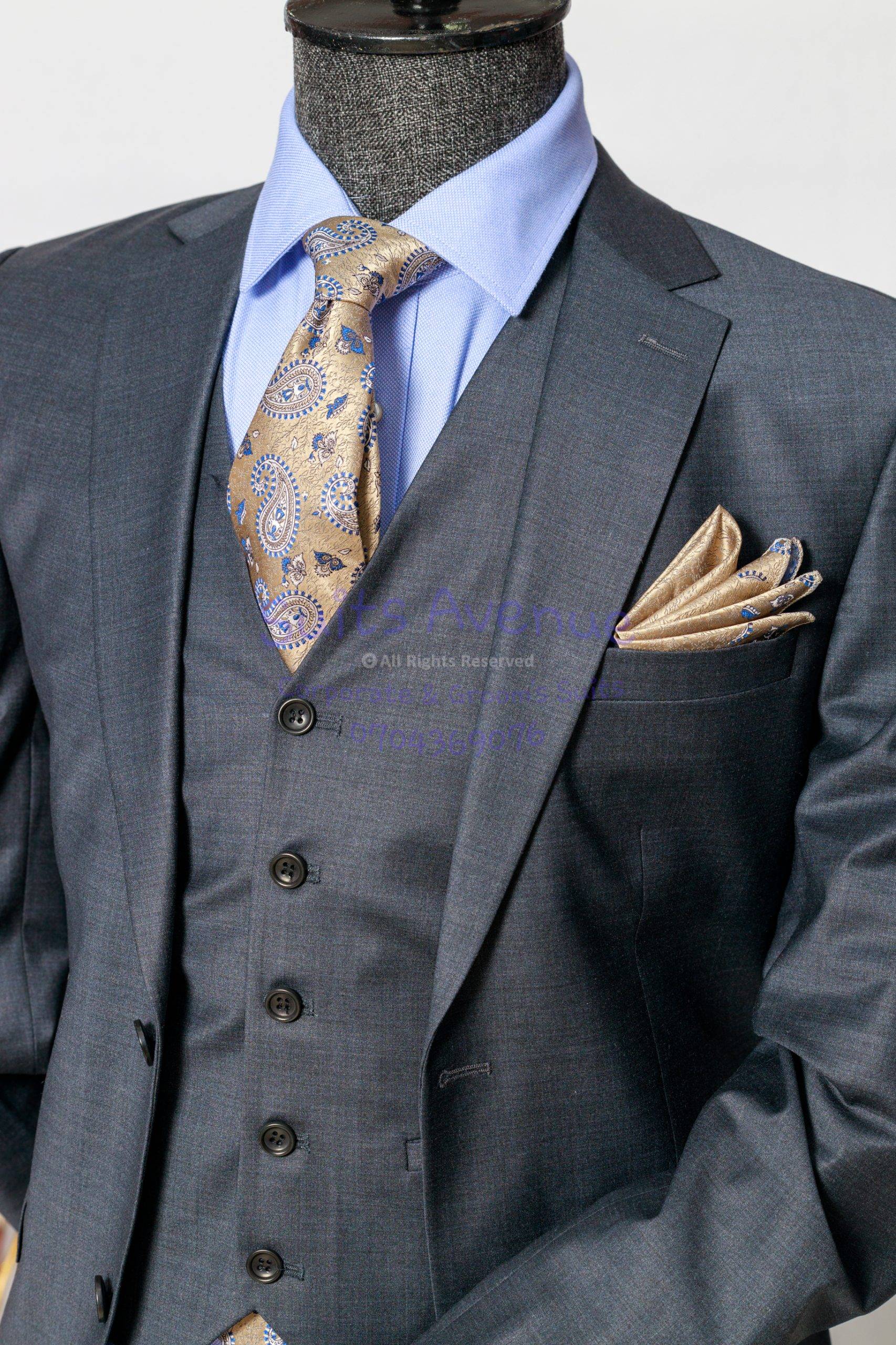
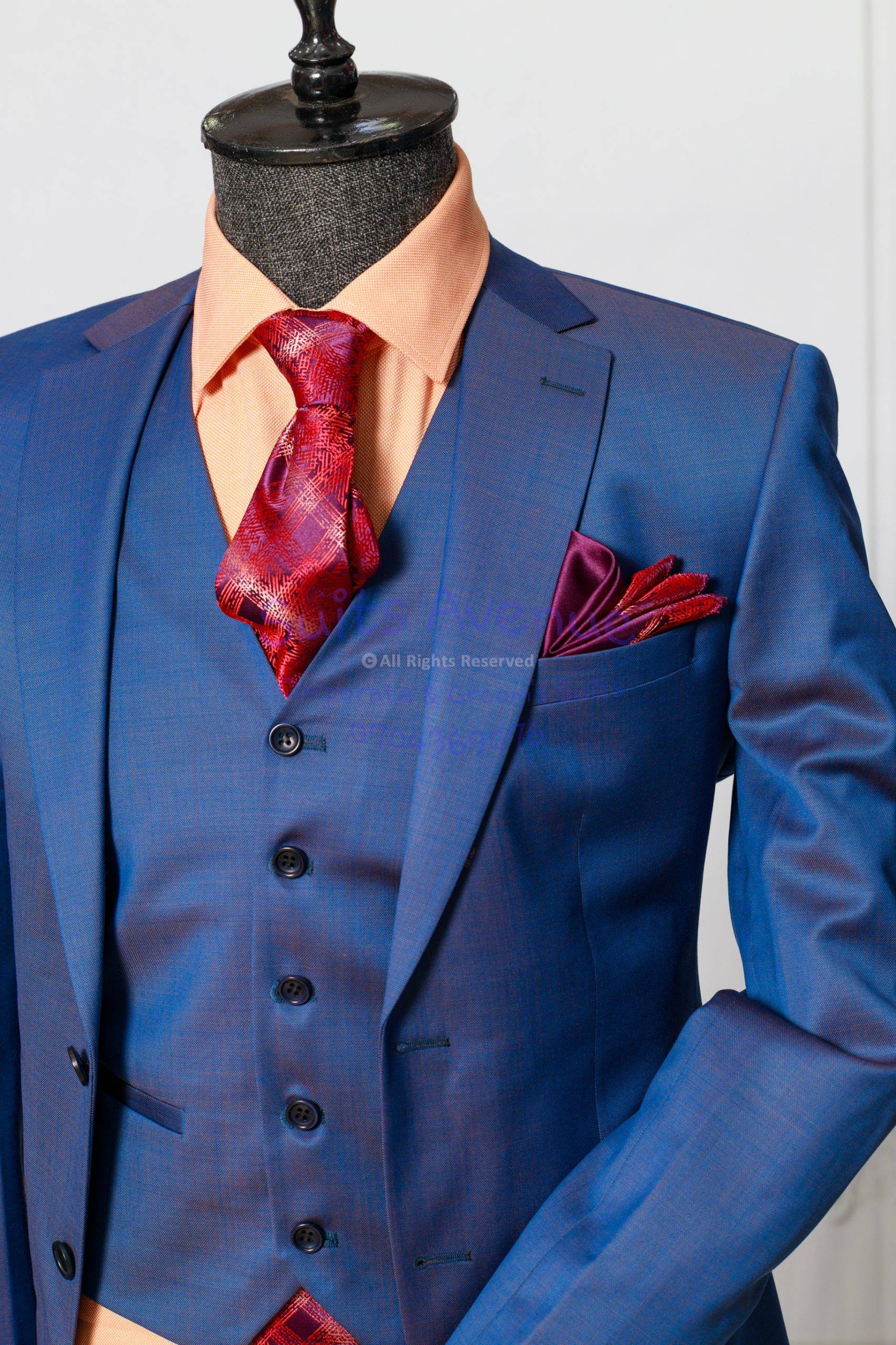
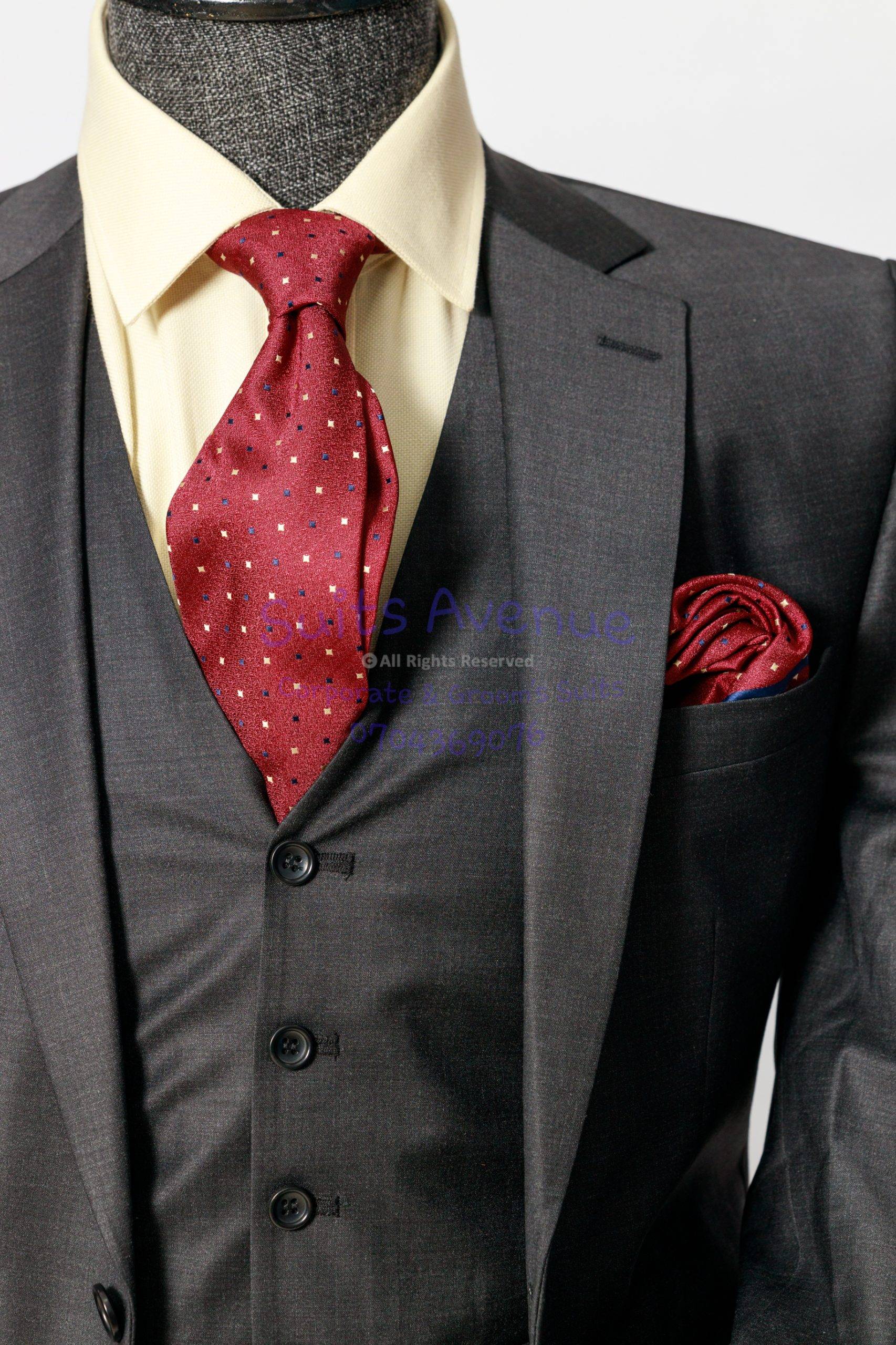
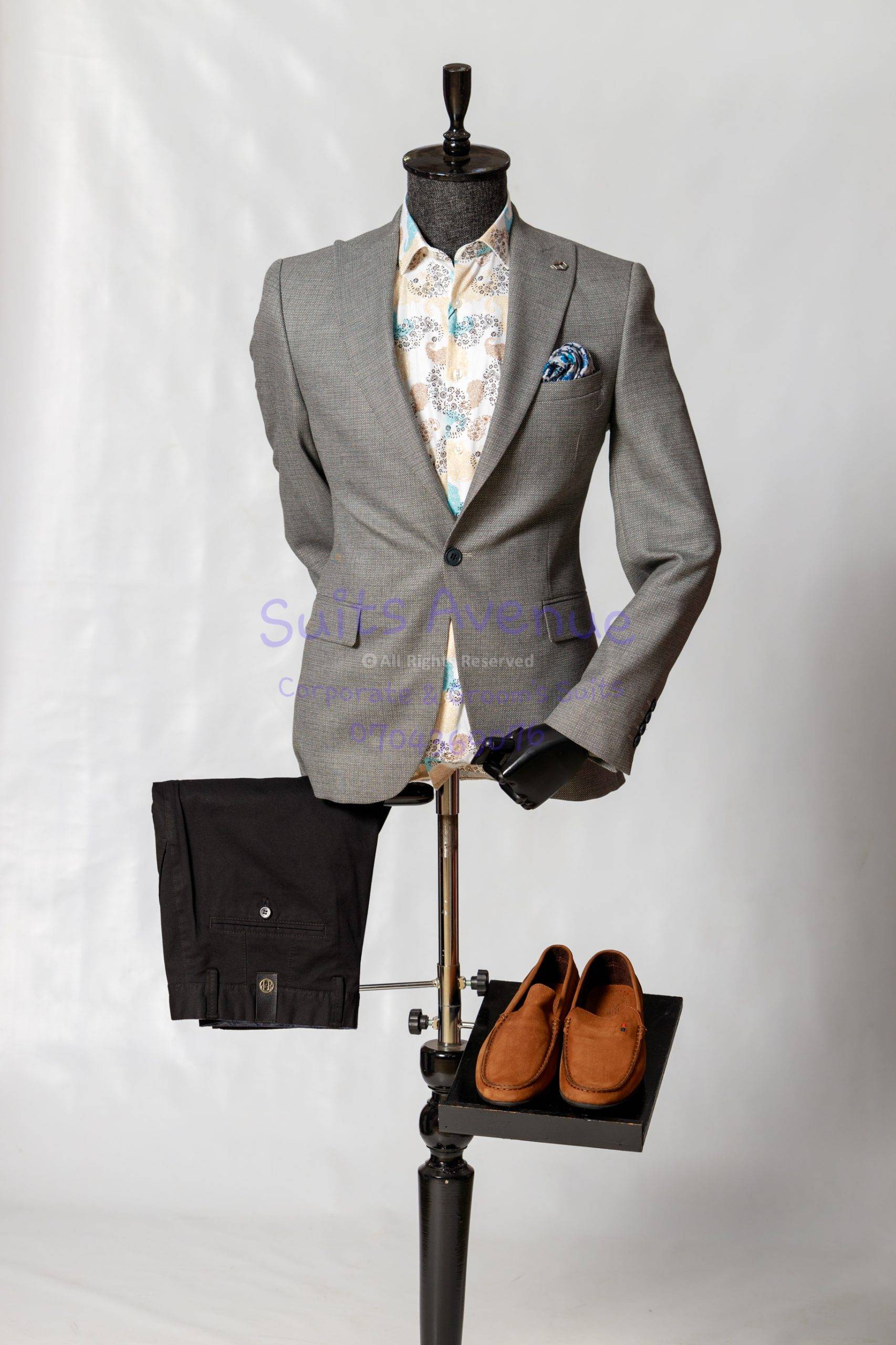
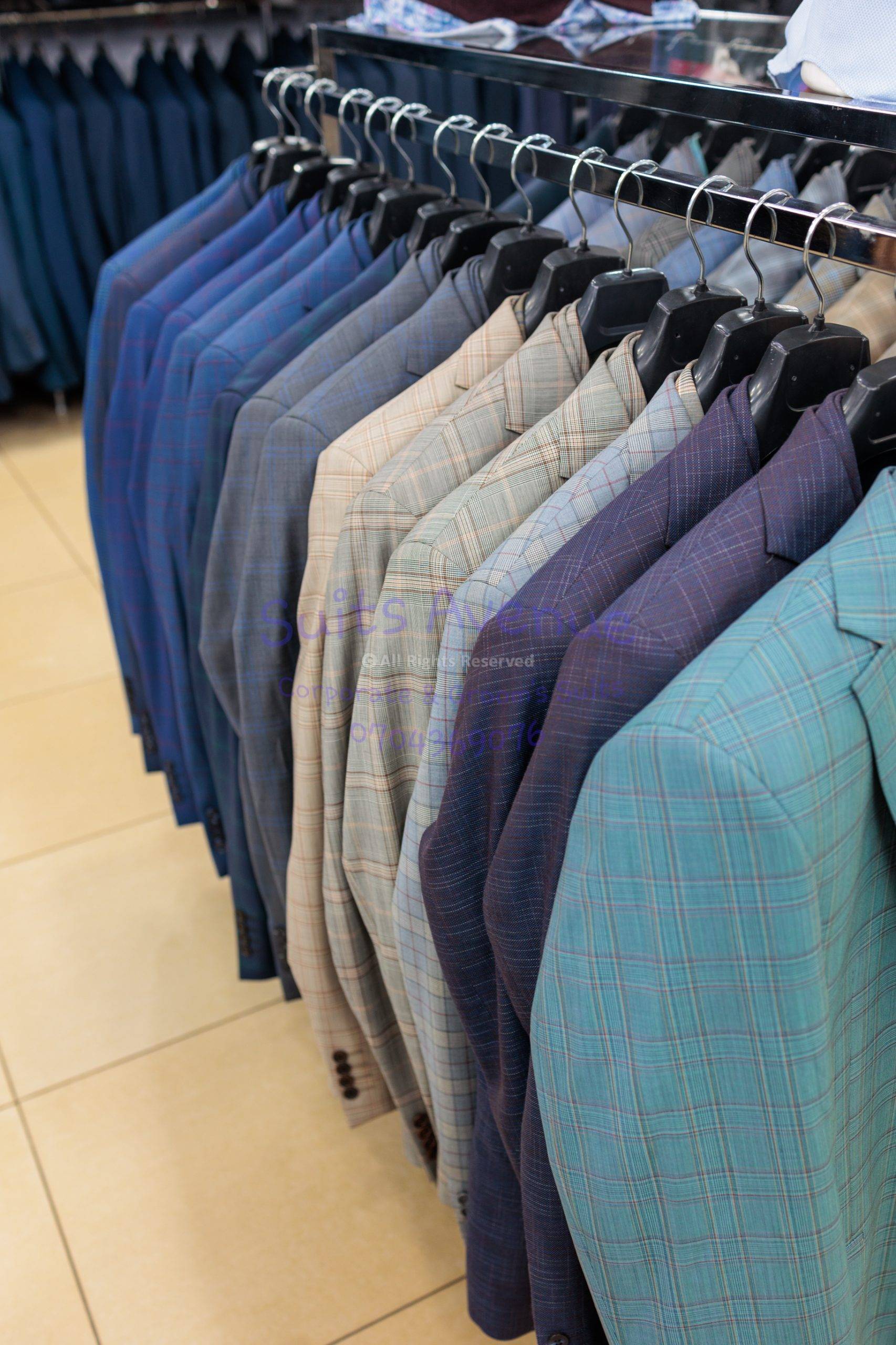
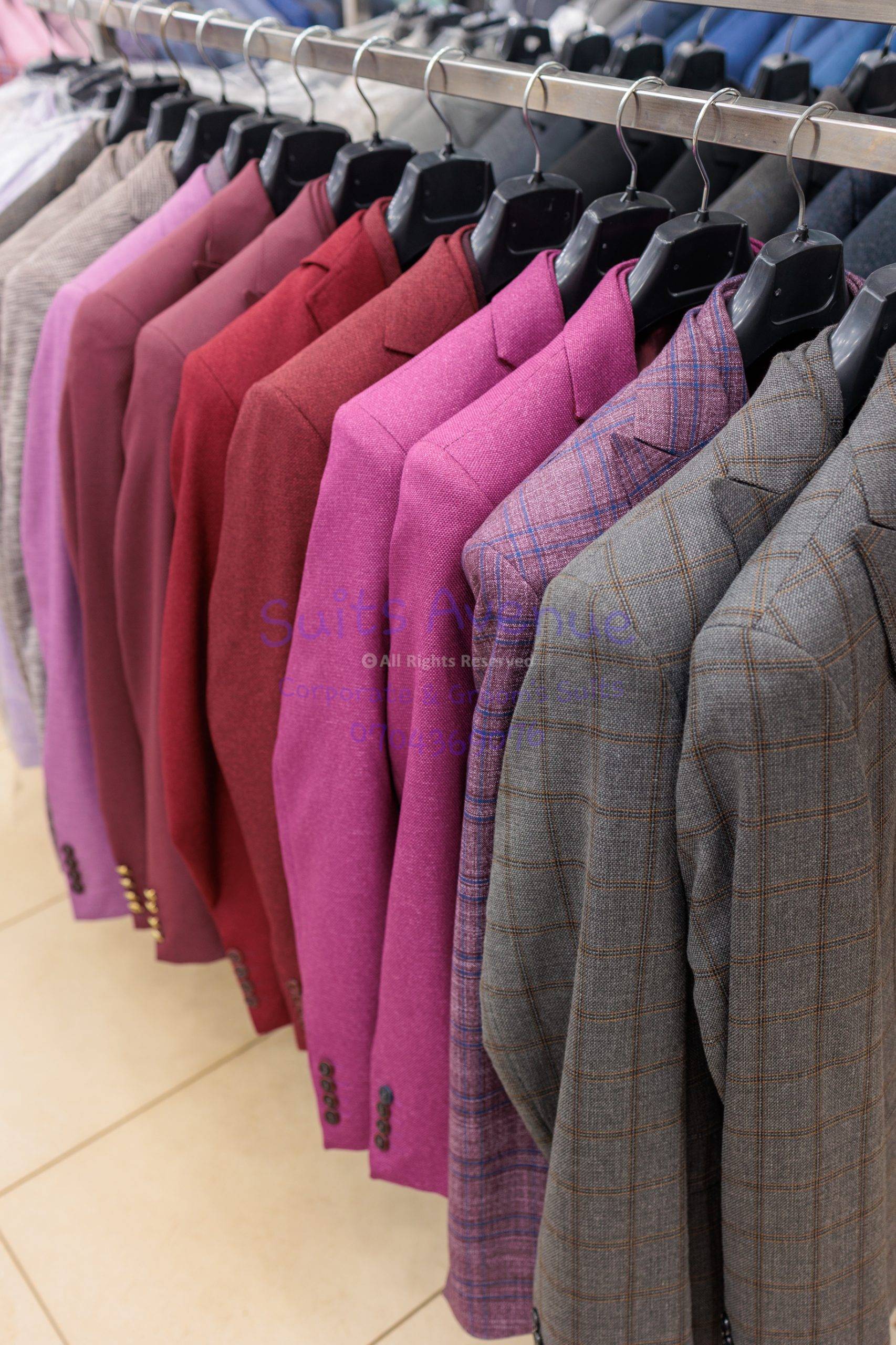
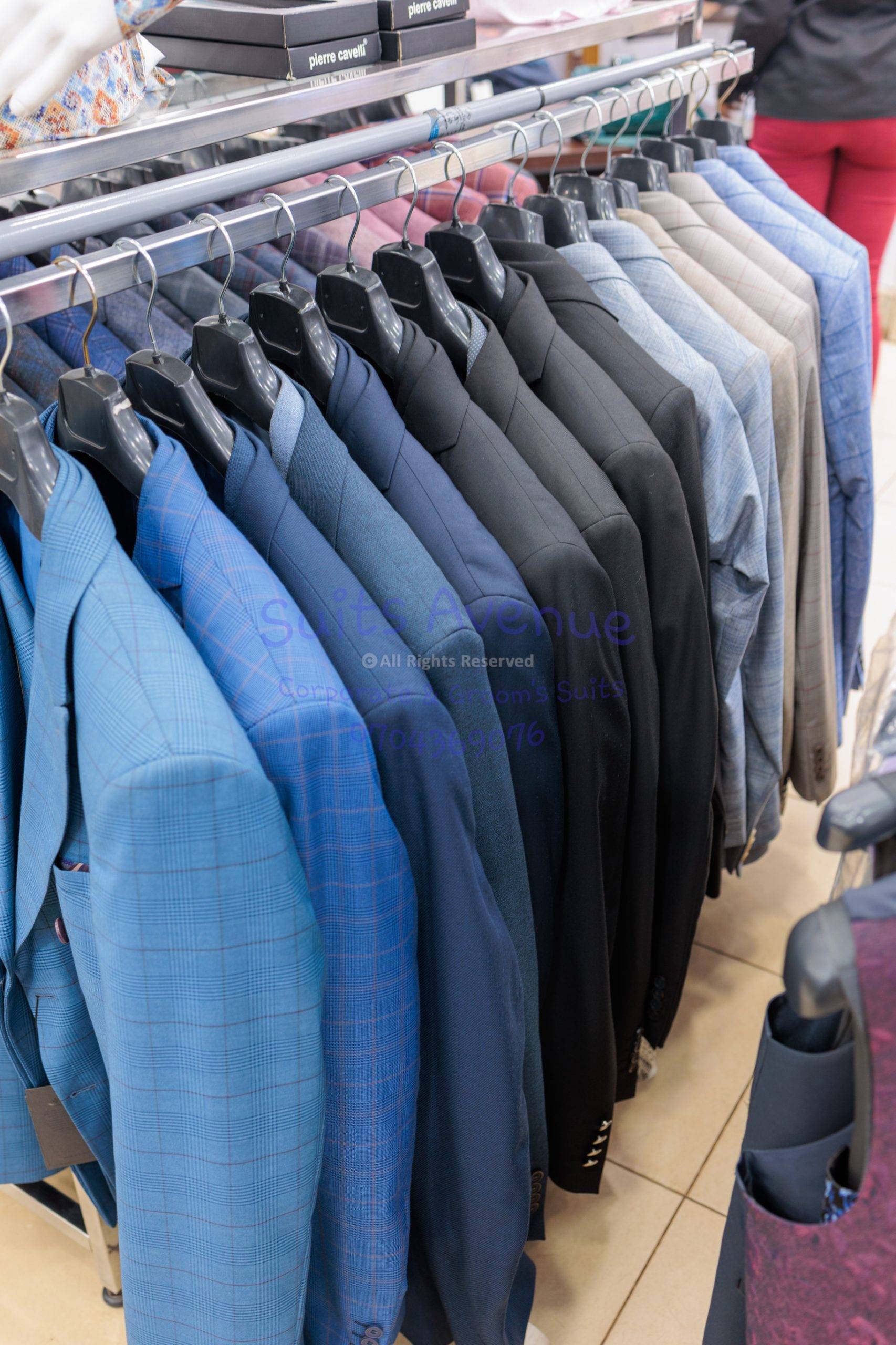
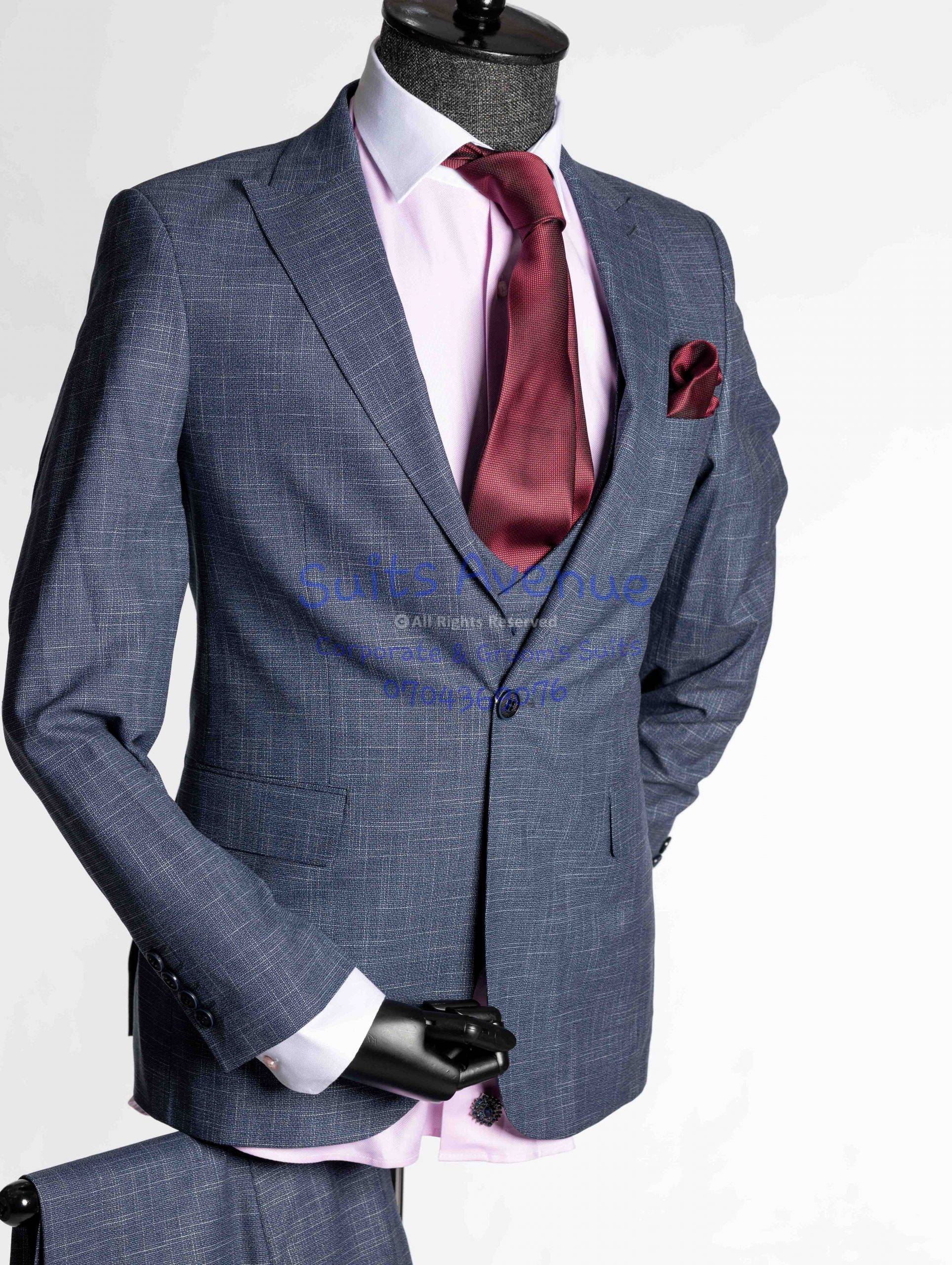
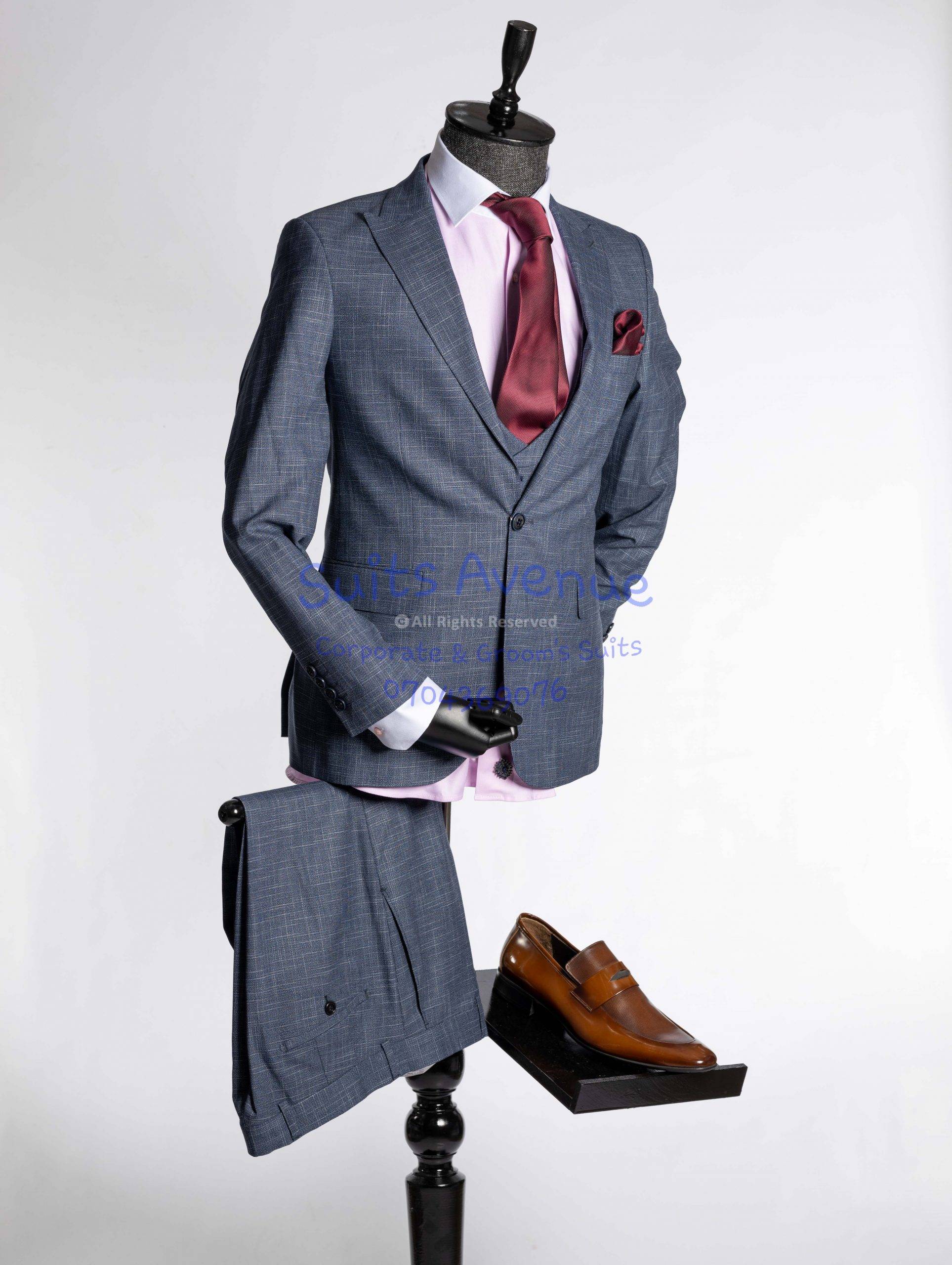
Suits Avenue is excited to announce the arrival of the new Chestnut Brown 100% Wool Suit, exclusively available in Kampala. This suit is not only fashionable but also comes with many unique features and benefits that make it a no-brainer for the discerning gentleman’s wardrobe. Here’s everything you need to know about this new addition:
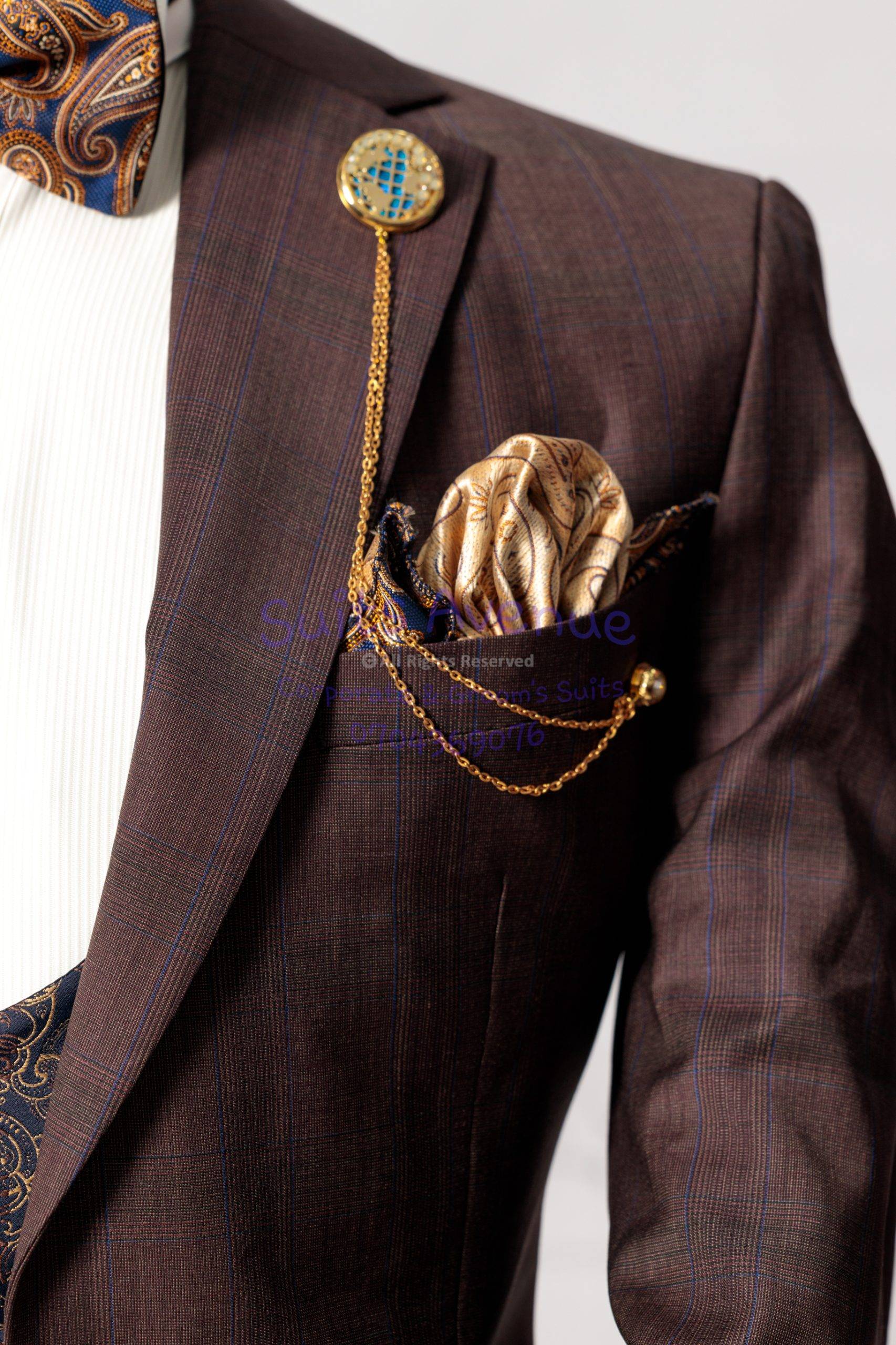
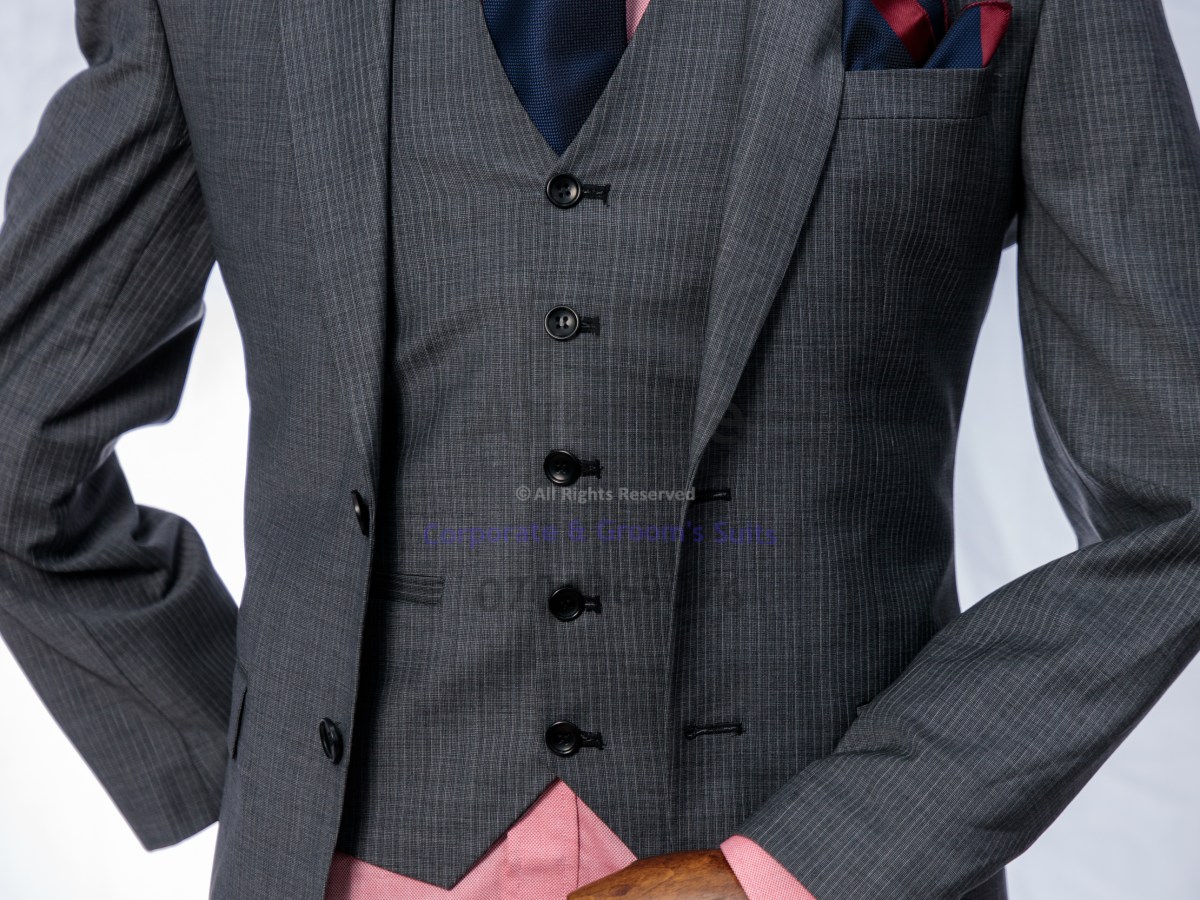
The Chestnut Brown 100% Wool Suit is made with the highest quality wool from Turkey, ensuring durability, warmth, and comfort. It’s constructed with a modern fit, showcasing a striped pattern that exudes sophistication and sets it apart from other suits in the store.
1.3m Ugx
550k Ugx
1.3m Ugx
1.3m Ugx
550k Ugx
🔥Versatility and Comparison🏆
This Chestnut Brown 100% Wool Suit boasts a neutral hue that complements all skin tones. It can be easily styled with a crisp white shirt, black shoes, and a matching chestnut-patterned tie to complete the look. When compared to other colors in the store such as Ebony, Burgundy, and Navy, the Chestnut Brown 100% Wool Suit stands out as the perfect option for professional and social occasions alike.
Are you looking to upgrade your wardrobe with a fashionable and versatile suit? Look no further than Suits Avenue! Visit our store today and try on the new Chestnut Brown 100% Wool Suit. Trust us; you won’t regret it! We’re located at Plot 21, Kampala Road, Kampala, Uganda. If you have any questions or need assistance with anything, please don’t hesitate to reach out to us at +256704369076 or through our WhatsApp link: https://wa.link/suitsavenuechat. Thanks for reading!
When it comes to dressing for success, nothing beats a well-tailored wool suit made in Turkey. As a leader in the menswear industry, Suits Avenue offers a wide range of high-quality wool suits that are sure to impress. Whether you’re looking for a classic look or a more modern style, our wool suits have got you covered. Wool Suits made in Turkey.
Turkish wool is known for its exceptional quality and durability. It’s also lightweight and breathable, making it the perfect fabric for a suit. When you choose a wool suit made in Turkey, you can be sure that you’re getting a product that will last for years to come.
Wool suits are more than just a piece of clothing in Turkey. They are a symbol of status and success, worn by businessmen and politicians as a sign of their power and infuence. Suits made from Turkish wool have gained a reputation for their durability, style, and excellent quality, making them popular not only in Turkey but around the world
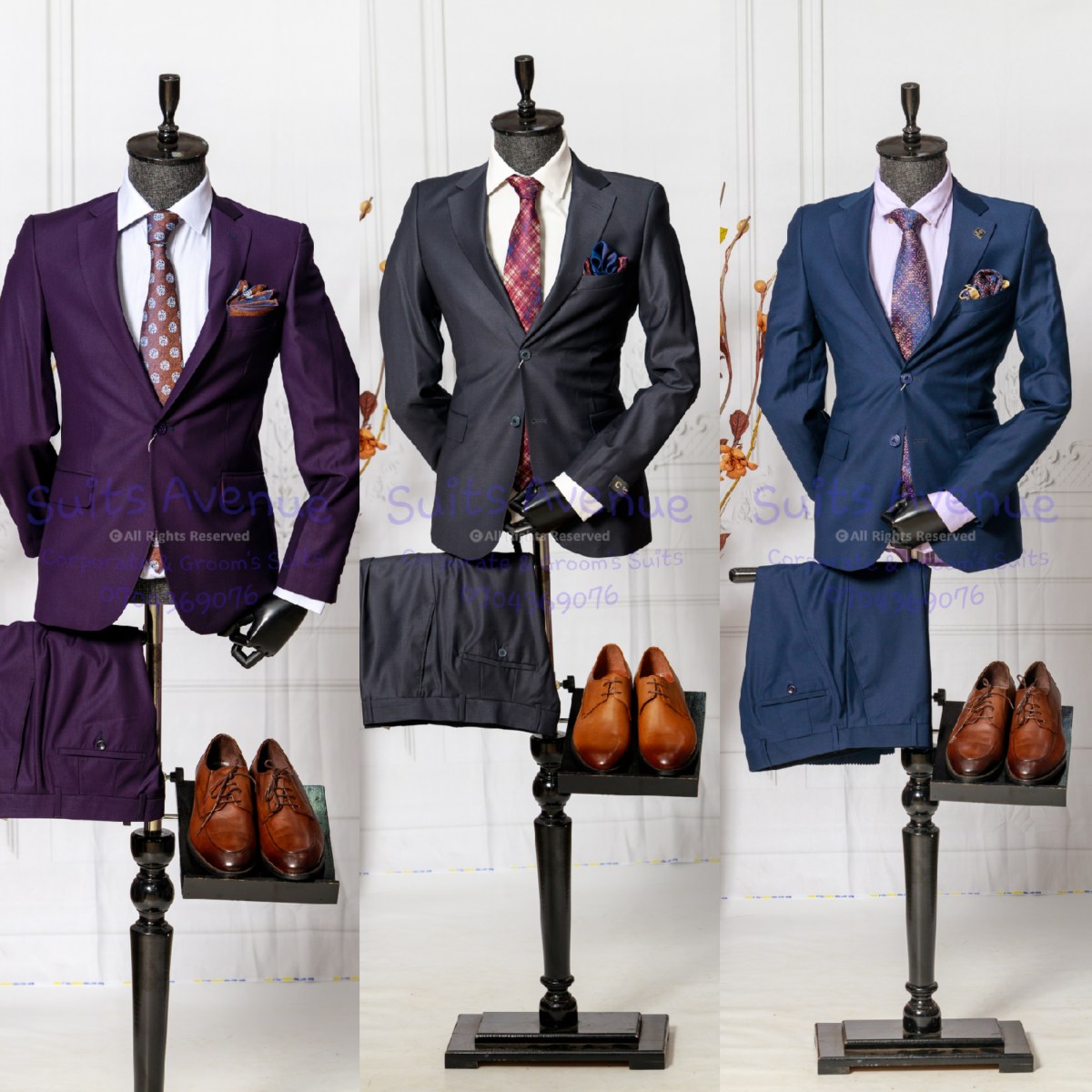
1.3m Ugx1.3m UgxRange from 400k to 600k Ugx1.3m Ugx1.3m Ugx550k Ugx1.3m Ugx1.3m Ugx550k Ugx
🔥Conclusion:🏆
In conclusion, wool suits made in Turkey have a long and rich history of cultural significance, design, and manufacturing excellence. With their superior quality and luxurious texture, these suits are a must-have for any fashion-conscious individual looking to elevate their wardrobe. At Suits Avenue in Kampala, Uganda, we take pride in offering only the finest wool suits made in Turkey, embodying true Turkish tradition and sophistication.
Our commitment to quality and attention to detail sets us apart from other retailers, making us the go-to destination for anyone seeking the best in men’s fashion. Whether you’re shopping for a special occasion or simply looking to upgrade your everyday wardrobe, we have a wool suit that is perfect for you.
Visit Suits Avenue today and experience the timeless elegance and unmatched quality of Turkish wool suits for yourself.
Wool 500k to 1.3m UgxWool 500k to 1.3m Ugx550k UgxWool 500k to 1.3m UgxWool 500k to 1.3m Ugx550k UgxWool 500k to 1.3m UgxWool 500k to 1.3m Ugx550k Ugx
🔥 DISCOVER the BEST SELECTION of QUALITY BLAZERS at Suits Avenue in Kampala 🏆
Welcome to Suits Avenue, Kampala’s premier destination for all your menswear needs! As the city’s top provider of high-quality, stylish clothing for men, we pride ourselves on offering an unparalleled selection of suits, blazers, shirts, trousers, and more. Whether you’re a businessman, a professional employee, or work in the government, law, or banking industries, Suits Avenue has you covered.
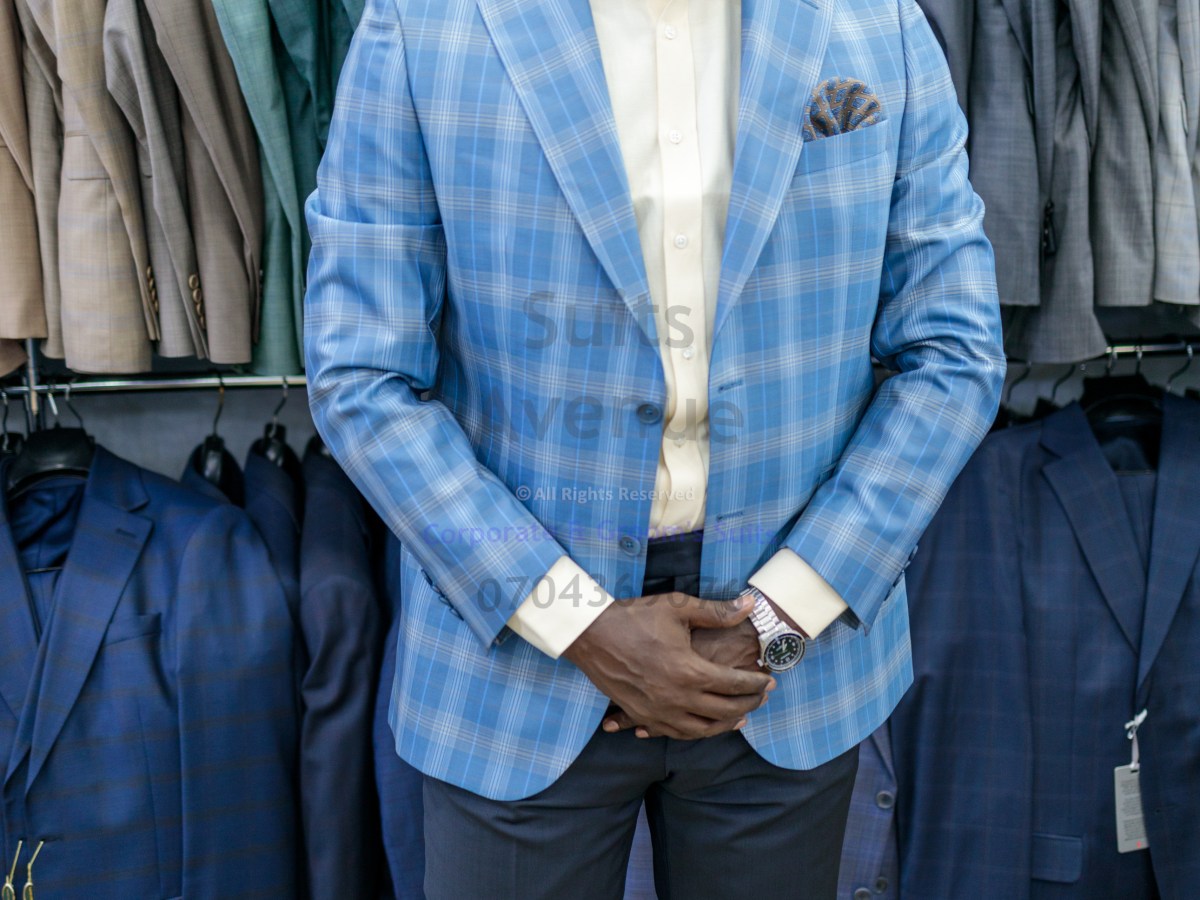
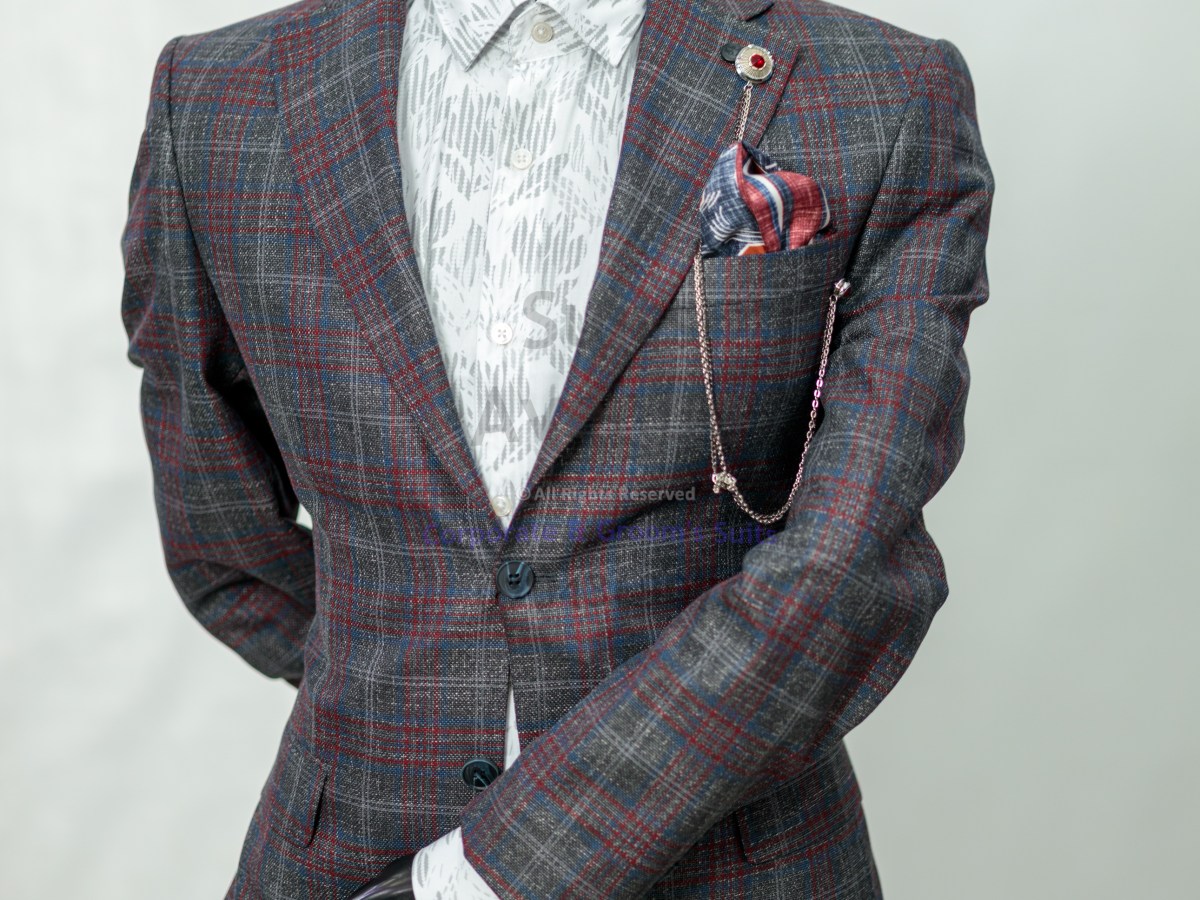
One essential piece of clothing that no man’s wardrobe should be without is a quality blazer. A well-tailored, stylish blazer can elevate your appearance, making you look polished and sophisticated in any setting. It’s a versatile piece that can be dressed up for formal events or dressed down for a more casual look, making it an indispensable addition to your wardrobe. At Suits Avenue, we understand the importance of a great blazer and are here to help you find the perfect one to complement your style.
Priced at 400k-800k UGX.
Priced at 400k-800k UGX.
Priced at 400k-800k UGX.
Priced at 400k-800k UGX.
Priced at 400k-800k UGX.
Priced at 400k-800k UGX.
Priced at 300,000-500,000 Ugx
Priced at 300,000-500,000 Ugx
🌟 ELEVATE Your Wardrobe with Our EXCLUSIVE Collection of Turkish-Made Blazers
At Suits Avenue, we are proud to boast the best selection of blazers in Kampala, offering an extensive collection to suit every taste and preference. With over 400 blazers in stock, you’ll be spoilt for choice as you browse through our vast array of options.
Our blazers cater to a diverse range of sizes, from 46 to 60, ensuring that every customer finds the perfect fit. We also offer a variety of styles, from classic, timeless designs to contemporary cuts, allowing you to express your unique personality through your attire. Additionally, our blazers come in an array of colors, providing you with the flexibility to match your wardrobe seamlessly.
One of the standout features of our collection is the exclusive Turkish-made blazers. These high-quality, genuine wool and wool blend blazers are renowned for their impeccable craftsmanship and luxurious feel. By sourcing our products from Turkey, we guarantee that you’re getting the best in terms of both style and quality.
So, if you’re looking for the perfect blazer to enhance your wardrobe, look no further than Suits Avenue. With our unbeatable selection and commitment to quality, we’re confident that you’ll find the perfect blazer to elevate your style.
Priced at 400k-800k UGX.
Priced at 400k-800k UGX.
Priced at 400k-800k UGX.
Priced at 400k-800k UGX.
Priced at 400k-800k UGX.
Priced at 400k-800k UGX.
Priced at 300,000-500,000
Priced at 300,000-500,000
💼 ONE-STOP SHOP for All Your Menswear Needs at Suits Avenue
Suits Avenue is not just about providing the best selection of blazers in Kampala; we pride ourselves on being a one-stop shop for all your menswear needs. Alongside our exceptional blazer collection, we offer a wide range of other high-quality products to complete your wardrobe.
Our inventory includes a vast array of suits, from classic wool suits to more affordable wool blend options, catering to different budgets and preferences. Our dress shirts come in various styles, colors, and sizes, ensuring that you’ll find the perfect fit for any occasion. Our trousers collection includes both wool and cotton khaki pants, providing stylish and comfortable options for both office and casual wear.
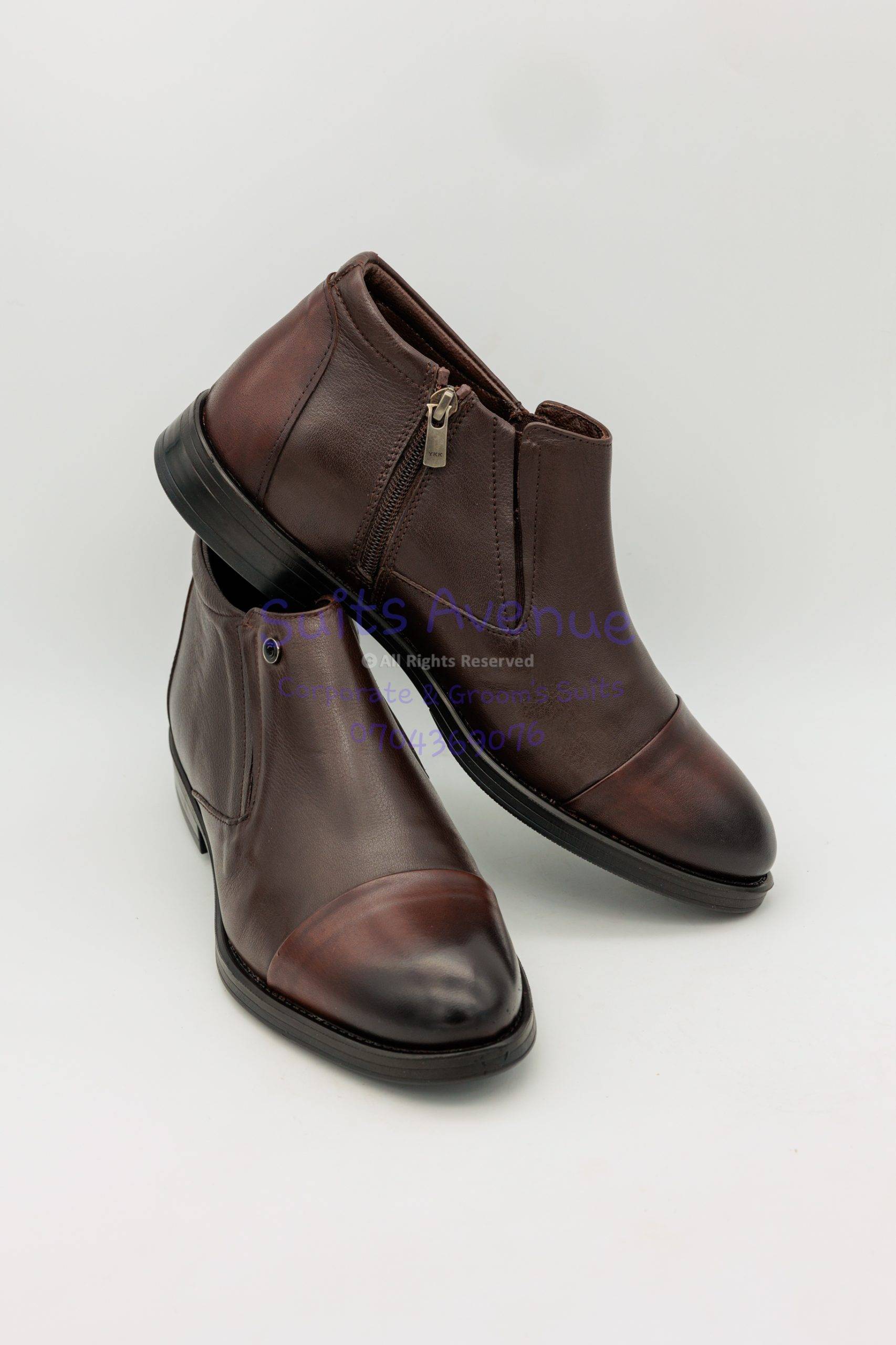
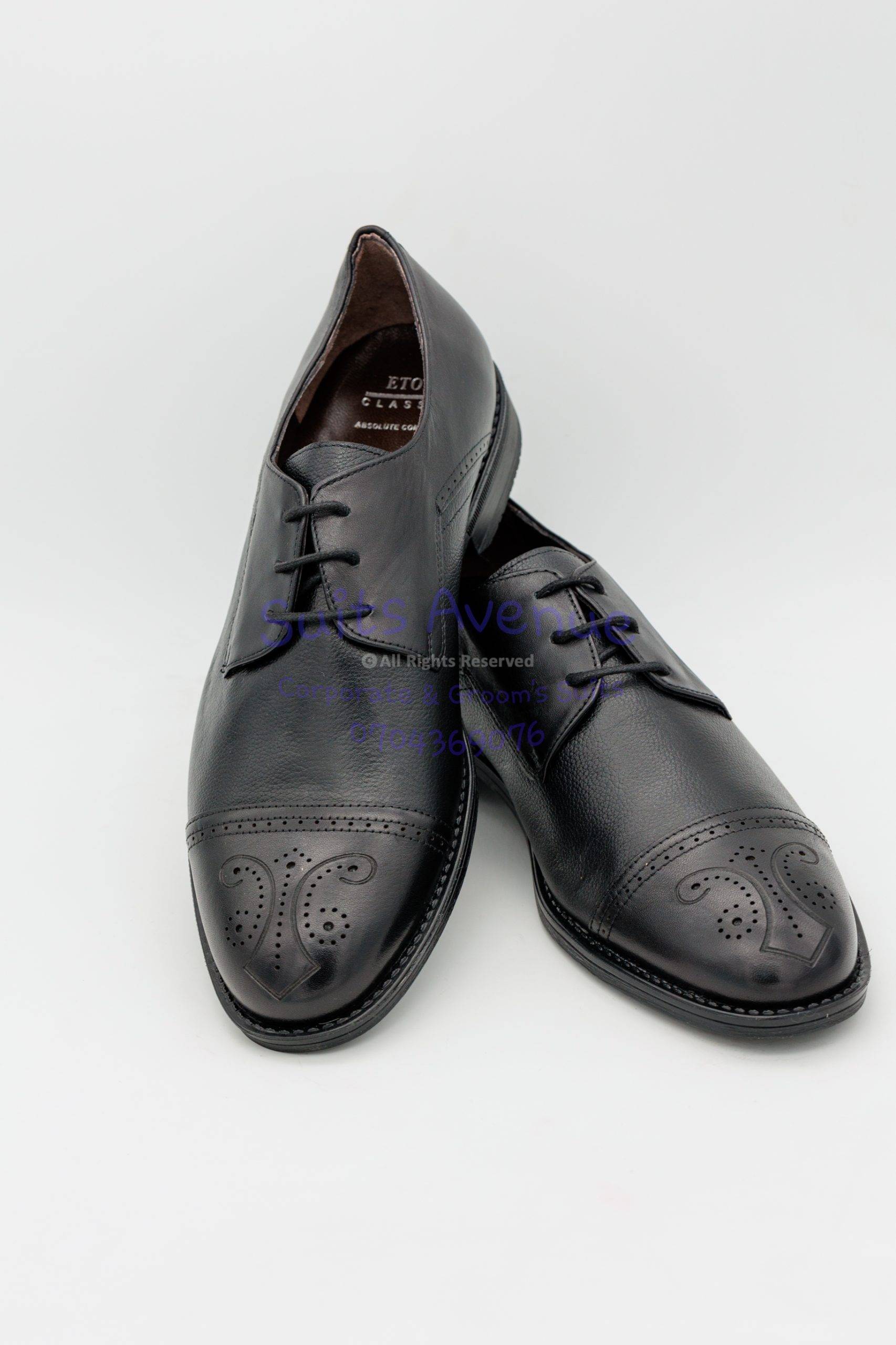
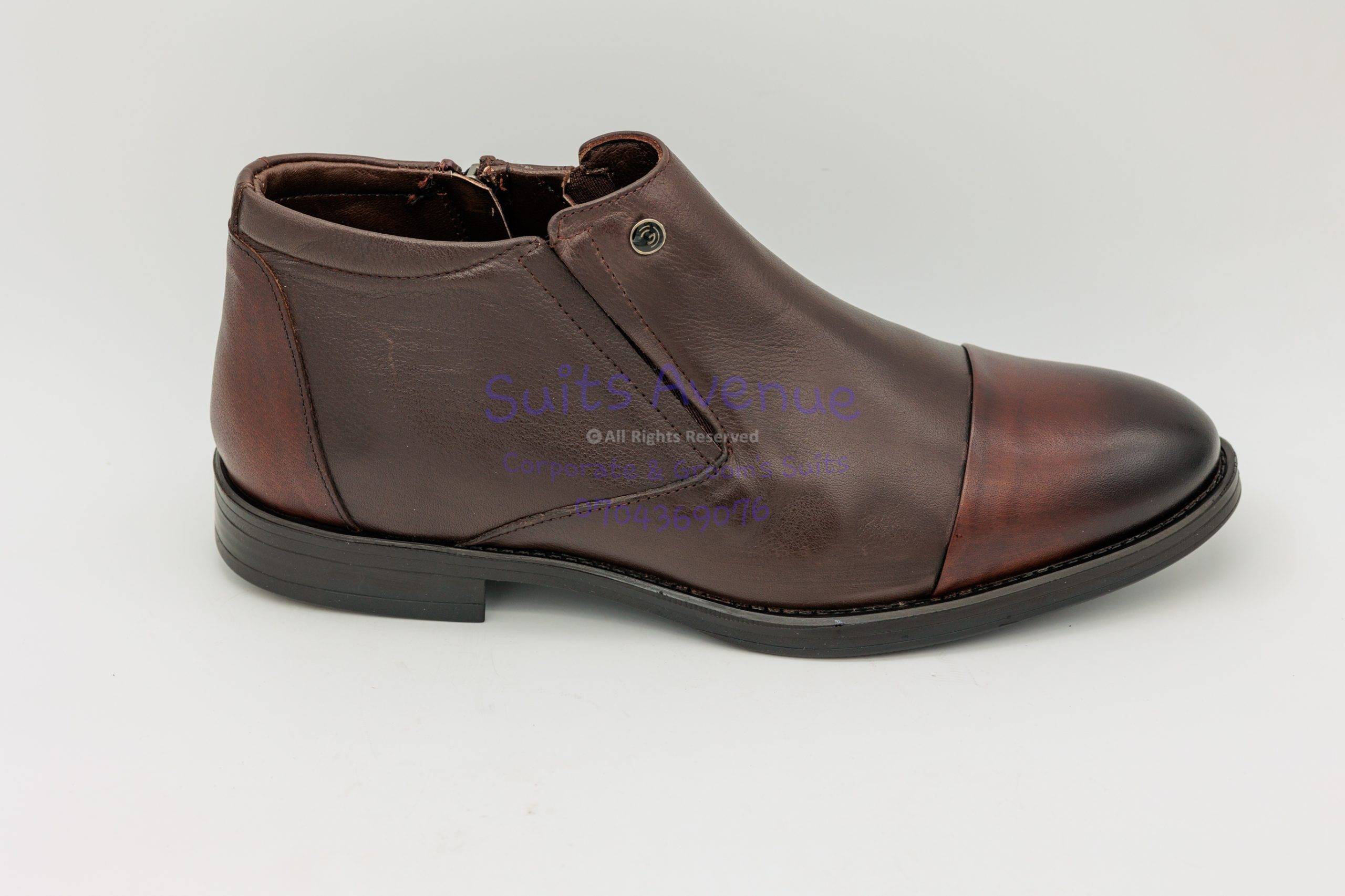
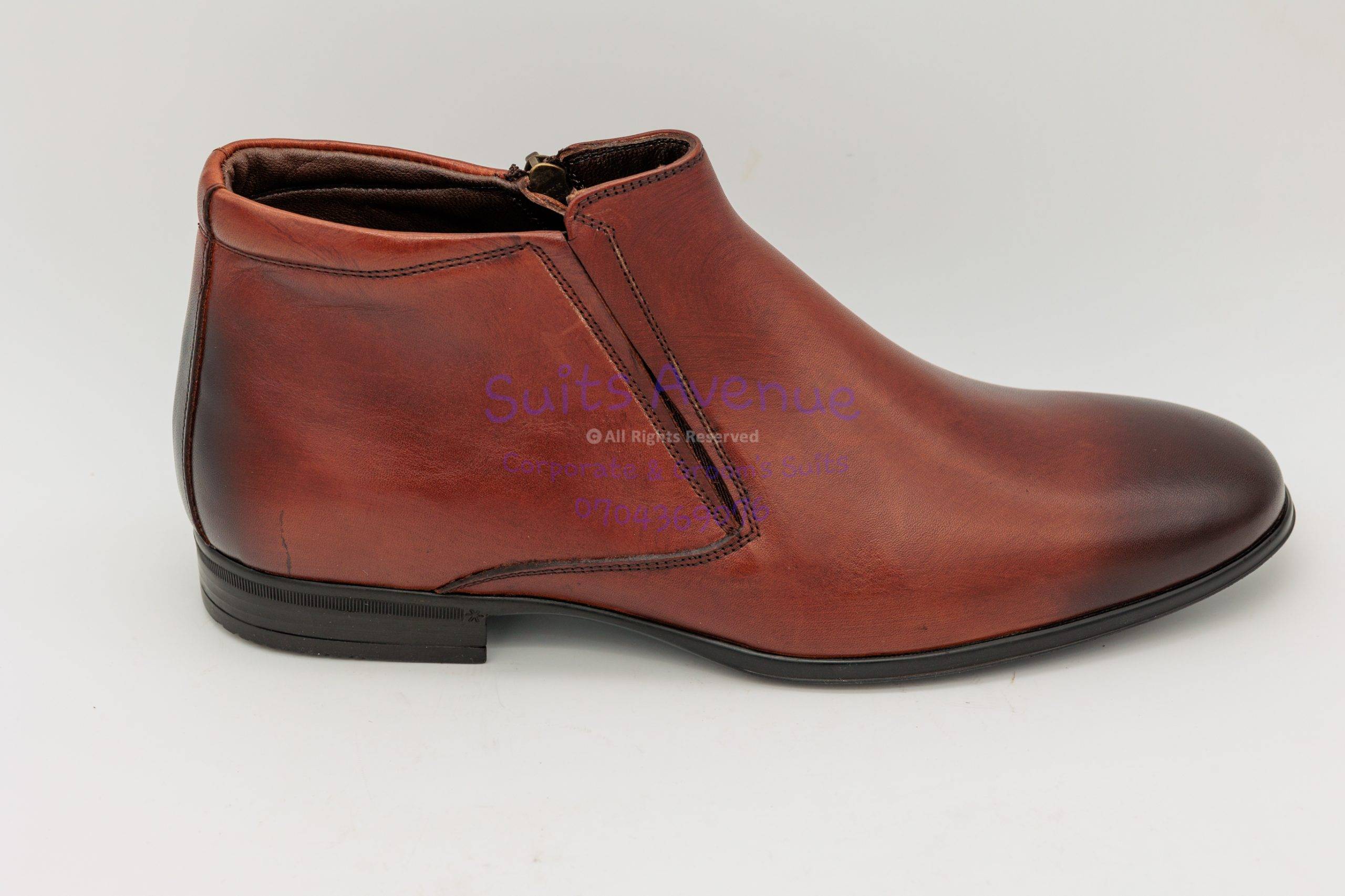
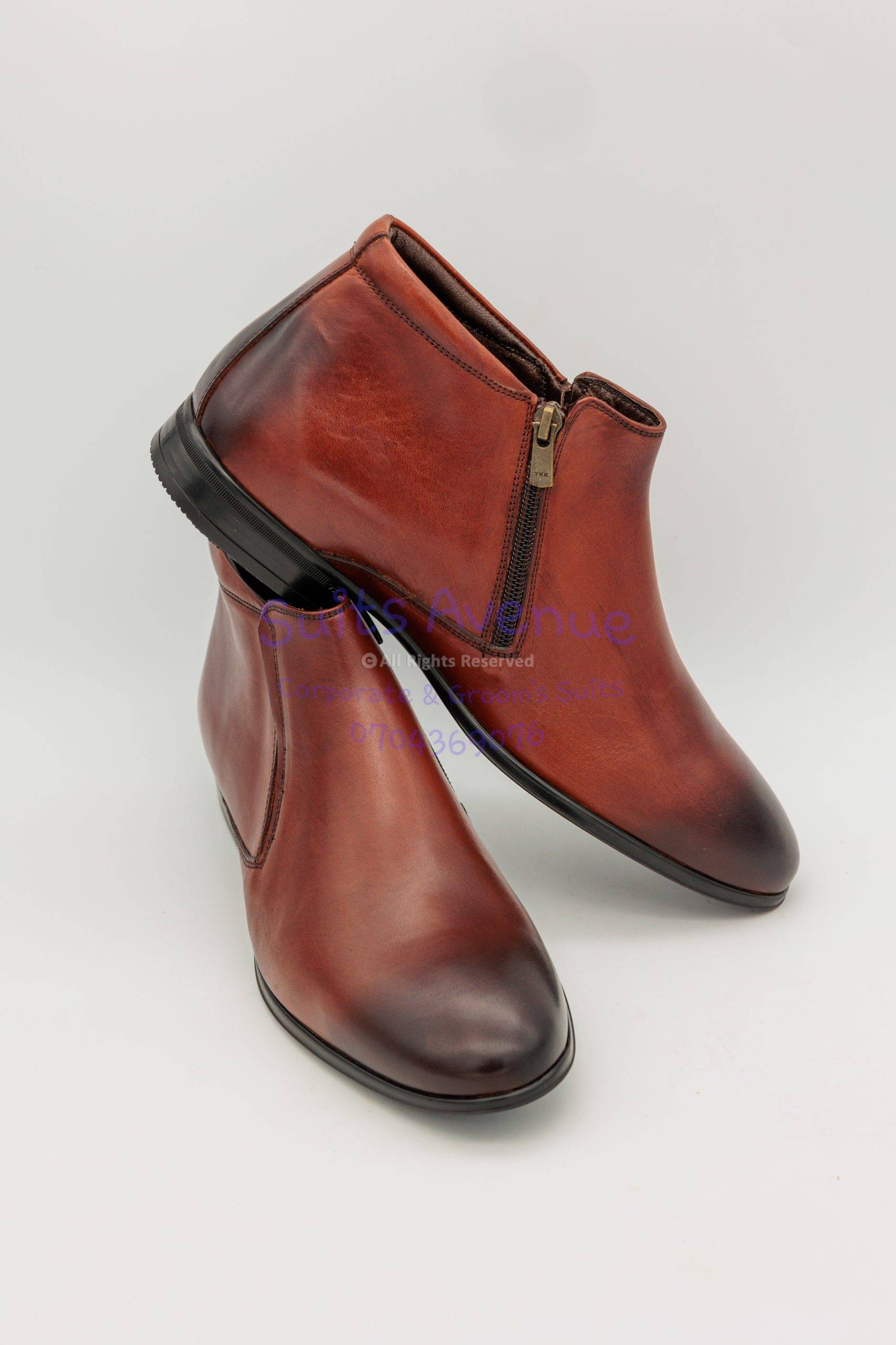
In addition to our clothing options, we also carry an impressive selection of footwear. Our premium leather shoes and boots, made in Turkey, add the perfect finishing touch to your outfit, ensuring you look polished from head to toe.
The convenience of shopping at Suits Avenue cannot be overstated. By offering everything you need to build a complete and stylish wardrobe under one roof, we save you time and effort. No more running from store to store trying to find the perfect pieces – at Suits Avenue, we have everything you need in one convenient location.
Visit Suits Avenue today and experience the ease of shopping for all your menswear needs in one place. With our vast selection and expert fashion designers on hand to help you create the perfect look, you’re guaranteed to leave our store feeling confident and stylish.
Priced at 400k-800k UGX.
Priced at 400k-800k UGX.
Priced at 400k-800k UGX.
Priced at 400k-800k UGX.
Priced at 400k-800k UGX.
Priced at 400k-800k UGX.
Priced at 300,000-500,000
Priced at 300,000-500,000
👍 TRUST in Suits Avenue for Unmatched Menswear Expertise and CUSTOMER SATISFACTION
If you’re looking for the best selection of quality blazers and menswear in Kampala, look no further than Suits Avenue. Conveniently located in the city center of Kampala, our store offers an unparalleled range of sizes, styles, and colors to suit every taste and occasion.
🎯 𝗦𝗔𝗩𝗘 𝗧𝗜𝗠𝗘 – Shop on Sunday! No Traffic! 🚗 📞 WhatsApp/Call: +256704369076 📞 💳 Suits Avenue accepts VISA 💳 📍 Insurance House, across from Absa Bank, Kampala Rd/Entebbe Rd junction, Former Steers Restaurant Kla 🏢 🗺️ Find us on Google Maps: https://g.page/SuitsAvenue?share 🗺️
Don’t miss out on the opportunity to upgrade your wardrobe with the finest Turkish-made blazers and menswear. At Suits Avenue, we’re committed to helping you look and feel your best, no matter the event.
⏰ Hurry! For a limited time only, enjoy special discounts on select blazers and other menswear items. This exclusive offer won’t last long, so be sure to visit us today and take advantage of these amazing deals.
Make a statement in the boardroom, at a wedding, or during a night out on the town with high-quality menswear from Suits Avenue. We can’t wait to see you soon!
Gents: I believe your search for “Men’s suits Kampala” forces you to open our flawless collection. You are warmly welcome at our brand new launch of suits for men. New Suits in Kampala | Suits Avenue Update 89
Luckily, the latest addition in our store is going to serve you in multiple ways. This made-in turkey 100% wool dress is including itself in the best wedding suits in Kampala.
Not just this, but the 3pcs suit will pop up into the list of your formal dresses.
Getting into the details will make you realize that the suit contains a jacket, waistcoat, and trousers. Again, all of these pieces are made of 100% wool and hence give you a perfect combo of style along with comfort.
So, the dress has enough gut to divert the audience’s attention towards you, isn’t it amazing?
1.1 m Ugx1.1 m Ugx1.1 m Ugx1.1 m Ugx1.1 m Ugx1.1 m Ugx1.1m Ugx1.1 m Ugx
Gents:
I believe your search for “Men’s suits Kampala” forces you to open our flawless collection. You are warmly welcome at our brand new launch of suits for men.
Luckily, the latest addition in our store is going to serve you in multiple ways. This made-in turkey 100% wool dress is including itself in the best wedding suits in Kampala.
Not just this, but the 3pcs suit will pop up into the list of your formal dresses.
Getting into the details will make you realize that the suit contains a jacket, waistcoat, and trousers. Again, all of these pieces are made of 100% wool and hence give you a perfect combo of style along with comfort.
So, the dress has enough gut to divert the audience’s attention towards you, isn’t it amazing?
Hello everyone! Thank you for reading Suits Avenue’s blog! Today we are going to talk about leather shoes, where they come from, what they’re made of, how they’re made, colored and sewed 🙂 Stick along to get the ins and outs of your new leather shoes!
Stop into the store today to look at our new pairs!
Table of Contents:
What is Leather?
History Of Leather
Ethics behind leather
Where is leather produced?
5 Types of leather
The leather we offer
How to make leather
Colors leather/ Method 1/ Using Commercial leather dye
Coloring Leather/ Method 2/ Using Vinegar and Rust
How to sew leather
What is leather?
What is leather? Real leather (not synthetically made) is made from animal skin, and more commonly cow hide, although goat, buffalo and exotic leathers such as snake and alligator are also available.
Here at Suits Avenue we sell Ostrich, cow and elephant leather!
Synthetic Leather:
Synthetic leather, also known as Leatherette, is made by covering a fabric base with a plastic. The fabric can be made of natural or synthetic fiber which is then covered with a soft polyvinyl chloride (PVC) layer. Leatherette is used mainly in bookbinding and was common on the casings of 20th century cameras.
Tests which have been carried out on historical leather have shown that a wide variety of animals were used for their skin in early times including squirrels, rabbits, beavers, goat, deer, camels and even alpacas. In these times, people would want to use every bit of the animal for food, tools and shelter, which is when they started using animals for their skin. As agriculture and livestock has expanded along with technology, this has paved the way for the development of modern tanning of leather. During the Middle Ages, leather was used for items such as footwear, clothes, bags, cases, trunks and saddles. It was also used for military use and a lot of leather articles were recovered from the Tudor ship the Mary Rose which sank in 1545.
Research has shown that 65% of leather comes from cows while 15% comes from sheep, 11% from pigs and 9% from goats. Less than 0.2% of leather comes from any other type of animal. However, with this in mind, some of the most unique and interesting leather products are created from some of the most unusual and less common hides.
ETHICS:
Leather is used in everything from car seats to footballs and horses saddles and handbags due to its durable nature and finish that is difficult to replicate with synthetic materials. Many consumers are happy to buy products made of leather because it is typically a byproduct of the meat and dairy industries. However, vegans and vegetarians may wish to avoid leather products and opt for a “vegan” leather instead. Although the term “vegan leather” implies an eco-friendly alternative, it should be noted that some vegan leathers can cause more danger to the environment than real leather.
WHERE IS LEATHER PRODUCED?
At present, the top six countries producing tanned leather are: China, Italy, India, Brazil, Korea and Russia. Hides are often acquired from animals in these countries and are then shipped to other countries to be processed. For example, a company in the UK might buy leather from China and ship them in a refrigerated container to somewhere such as Italy where they are famous for their tanning methods and then re-import the finished leather back to the UK before selling it. Despite some other countries being better known for their production of leather, 80% of the world’s leather products are now made in China.
1. Full Grain or Top Grain Leather – ( ” the best ” )
This is the upper layer of a hide which is split into layers by a splitting machine to various thickness. This outer layer will show natural scars and haircell patterns if left as uncorrected natural grain. The thickness can vary depending on the gauge set at the time of splitting and the application. Thereafter the hides can be colored & given various protective finishes. Whether produced for Upholstery, Garment, Shoe or Saddlery, these are the best types of leather as they are the strongest and most durable and valuable layer of hide.
2. Corrected or Embossed Grain – ( ” 2nd best ” , full grain)
Hides which have an excessive amount of scratches or scars are further processed by “correcting” the natural grain of a Full Grain skin. After splitting to the required thickness, this natural grain is buffed or sanded and replaced with an embossed grain and finish to simulate various hair cell patterns. The resulting effect will look flawless with no natural scars showing, but this is no longer the real or natural grain. The original feel or hand of the natural skin and durability is also reduced with a synthetic grain and finish. Many applications for shoe and handbag leather are embossed with unique exotic prints to simulate the look as well. This process is utilized in many Garments and Upholstery while still represented as “full grain leather” which technically it is that layer.
The second layer or lower layer of the skin left after removing the Full Grain layer is the Split Suede and will be suede on both sides. These types of leathers also will come in various thickness depending on application. As this is a byproduct of hide tanning it is less costly and therefore utilized in products where Full Grain is not required such as tool pouches, moccasins, suede garments etc.. This layer of the skin can also be further processed by the application of a synthetic finish and hair cell to one side of the suede to create an artificial look of Full Grain leather, known as “finished split” hide. This is used extensively in lower cost furniture and garments and represented as “Genuine Leather” which technically it still is although it may look like something it is not.
4. Nubuck Sueded Grain – ( “look but don’t touch – very sensitive leather”)
This Full Grain layer of the skin is given a suede effect by lightly sanding the natural grain to open the hair cell and results in a velvety suede feel. This is also correcting imperfections in the natural grain and although soft to the touch, it is a sensitive effect. Care must be taken against soiling or staining as it is very difficult if not impossible to clean afterward. This effect is utilized in many garments and Upholstery products.
Here leather remnants and scraps from garment and shoe factories are ground up and recycled. In these types of leather the fiber particles are bonded with adhesive into a fabric followed by the application of a synthetic grain, hair-cell pattern and finish. This material will have a suede back and looks of smooth Full Grain leather , while it is essentially Particle board leather. As it is comprised of at least 51% leather fiber, it is represented as “Genuine leather” and utilized in many low priced garment and upholstery finished products. BUYER BEWARE – ASK QUESTIONS FIRST!
Ostrich leather is highly durable which has a uniquely bumpy texture, referred to as quills, that makes ostrich skins a prime choice for elegant leather products. We only stock and wholesale industry standard size South Africa origin and processed full body ostrich skins and legs. Our Ostrich body sizes are 16.5 square foot on average with only the center and neck containing 7 square foot of premium quill. Please adjust your required usage of desired quill in your design when ordering. Our ostrich leg and ostrich body skins are the best in the international marketplace and are the exact same finished ostrich skins sold throughout Italy as the premier in luxury and sold at over $400 per skin. We currently have a United States revolving stock of 10,000 skins in 75 colors and finishes. Ostrich skins are used to produce a variety of men’s and women’s products , like ostrich skin wallets, garments, wall covering, furniture, handbags, motorcycle seats, saddles, iPad and iPhone cases, business products, and more.
ELEPHANT LEATHER:
Elephant hides are a thick and durable hide with a deep, distressed wrinkled texture. The elephant skins are extra wide hides known as “panels”. With an average of 20 sq. ft. of material, elephant skin panels are great for applications with wide applications where a thicker hide is preferred over a thinner skin or where the use of small skins will require significant seaming.
As with all of our materials, our African elephant hides are legally imported, abiding by the CITES rules and regulations. All of our skins are thoroughly inspected in our U.S. locations prior to shipping
HOW TO MAKE LEATHER:
To get from a salted hide to a piece of leather ready for use in a sofa takes 10 working days!
The steps below show you what tanneries have to do to turn hides into leather :-
Curing
Raw hides and skins must be preserved to stop them deteriorating before the leather-making process can begin. Methods of preservation include salting, chilling, freezing and the use of biocides.
Soaking
Cured hides or skins are soaked in water for several hours to several days. This allows them to reabsorb any water they may have lost in the curing process or during transportation. It also helps to clean them of salt and dirt.
Painting
Painting is a method by which wool can be removed from sheepskins using a sulphide based mixture.
Liming
Liming removes the epidermis and hair. This also results in alkaline swelling of the pelt to cause a controlled breaking of some of the chemical crosslinks of the collagen .
Fleshing
After liming the pelt is passed through a machine to remove fleshy tissue from the flesh side. Hides may be split into layers at this stage or after tanning.
Deliming
The principal action of deliming is to gradually neutralise the alkali in the pelt, avoiding rapid changes in pH which could lead to distortion or disruption of the tissues.
Bating
A long delime can significantly improve the removal of any remaining lime, scud (miscellaneous debris) and residual components broken down during liming. Bating – based on the use of enzymes – completes this process so that the pelt is flat, relaxed, clean and ready for pickling and tanning.
Pickling
Weak acid and salt solutions are used to bring the pelt to the weakly acid state required for most tanning processes. Stronger pickling solutions are used to preserve pelts so that they can be stored or transported in a stable form over periods of several months.
Degreasing
Solvents or water-based systems can be used to remove excess grease before tanning.
Tanning
Tanning converts the protein of the raw hide or skin into a stable material, which will not putrefy and is suitable for a wide variety of purposes. Tanning materials form crosslinks in the collagen structure and stabilise it against the effects of acids, alkalis, heat, water and the action of micro-organisms. The main types of tanning materials are :
Mineral tannages
Most leather is tanned using salts of chromium.
Aldehyde and oil tannages
Tanning with aldehydes and oils produce very soft leathers and this system can be used to produce drycleanable and washable fashion leathers and also chamois leather.
Vegetable tannages
Various plant extracts produce brown coloured leathers which tend to be thick and firm. This type of tannage is used to produce stout sole leather, belting leather and leathers for shoe linings, bags and cases.
Splitting
A splitting machine slices thicker leather into two layers. The layer without a grain surface can be turned into suede or have an artificial grain surface applied.
Shaving
A uniform thickness is achieved by shaving the leather on the non-grain side using a machine with a helical blades mounted on a rotating cylinder.
Neutralisation
Neutralising removes residual chemicals and prepares the leather for further processing and finishing.
Additional tanning material may be applied to give particular properties which are required in the finished leather.
Dyeing
The dyeing of leather into a wide variety of colours plays an important part in meeting fashion requirements. Some leathers are only surface dyed, while others need completely penetrated dyeings, as is the case with suede leathers.
Fatliquoring
Fatliquoring introduces oils to lubricate the fibres and keep the leather flexible and soft. Without these oils the leather will become hard and inflexible as it dries out.
Samming
This process reduces water content to about 55% and can be achieved by a number of machines, the commonest being like a large mangle with felt covered rollers.
Setting out
The leather is stretched out and the grain side is smoothed. This process also reduces the water content to about 40%.
Final drying
Leather is normally dried to 10-20% water content. This can be achieved in a number of ways and each method has a different effect on the finished leather:
Staking and dry drumming
A staking machine makes the leather softer and more flexible by massaging it to separate the fibres. To finish off the leather may be softened by the tumbling action inside a rotating drum.
Buffing and Brushing
The flesh surface is removed by mechanical abrasion to produce a suede effect or to reduce the thickness. In some cases the grain surface is buffed to produce a very fine nap, e.g. nubuck leathers. After buffing the leather is brushed to remove excess dust.
Finishing
The aims of finishing are to level the colour, cover grain defects, control the gloss and provide a protective surface with good resistance to water, chemical attack and abrasion.
Final grading
Leather will be graded before despatch to the customer. This grading may consider the colour intensity and uniformity, the feel of the leather, softness, visual appearance, thickness, design effects and natural defects such as scratches.
COLORING LEATHER: – METHOD ONE – USING COMMERCIAL LEATHER DYE
1. Choose your leather dye. Most commercially prepared leather dyes come with leather preparer, the dye itself, and a finish (such as leather sheen). Consider the following when choosing a dye:
Alcohol-based dyes stiffen the leather, while water-based dyes leave it soft and supple. Many water-based dyes are actually coatings, which can completely change the color of the piece.
The color of the dye is not representative of the final color. Test on a small sample first. If you are touching up an already dyed piece, use a color-matching service to get an exact match.
Dyes can be spray-on, paint-on, or sponge-on. Choose the type that works best for you in terms of ease of use.
2. Tape off any area that you do not want dyed. Cover any buckles or metal pieces that you do not want dyed with masking tape. The tape may damage the leather finish, but you’ll be removing that anyway to make the surface available for dyeing.
3. Move to a well-ventilated area. Most leather preparers and leather dyes release fumes that are unhealthy to breathe. Work in a space with good ventilation. If dyeing your leather outdoors, keep it out of direct sunlight and extreme heat.
Most dyes give best results at air temperatures of 60ºF (15ºC)
4. Protect your hands and floor from stains. Leather dye can stain skin for a week and other surfaces permanently. Wear two pairs of latex or nitrile gloves. Lay down plastic drop cloth to catch spills.
5. Apply the leather preparer. Rub the leather preparer or de-glazer on with a clean cloth. This removes the leather finish so the dye can penetrate evenly into the material.
6. Wet the leather. Use a spray bottle filled with water to dampen the surface of the leather. Do not over-saturate the leather, but make sure you have an even covering. This helps the leather absorb the dye evenly, resulting in a smooth finish.
Some leather dyes do not require this step. Check the label.
7. Apply your first coat. Start by painting the edges with a paintbrush. For the rest of the job, apply the dye in a thin coat using a sponge, wool dauber, paintbrush, or sprayer. Check the dye label to see which tool the manufacturer recommends, or weigh the following pros and cons:
Sponges can apply a special affect or texture to the leather. Apply in a circular motion for an even look.
Wool daubers are easy to use when applying liquid dye to small areas. They may not work well with gel dyes.[2]
Paintbrushes are good for edges and small areas, but it is hard to hide the brush strokes over large areas. Apply the first layer left to right, the second up and down, and the next layer in circular motions to ensure even coating.
Sprayers makes it easy to blend colors for repairs or multi-color dye jobs. An airbrush or touch-up spray gun provides the most control.[3]Check the dye instructions to see if it is suitable for spraying.
8. Apply additional coats of leather dye. Let the first coat dry a little, then apply another one. Repeat with additional coats of leather dye until it reaches the desired color, usually after three to six coats.[4] Applying several thin coats makes it easier to achieve a uniform color.
9. Allow the leather to dry completely, manipulating it periodically to keep it supple. Allow the leather to dry for at least 24 hours. Pick it up and flex it occasionally (wearing gloves) to prevent it becoming rigid. The leather may feel sticky at first, but this should disappear after buffing or applying leather sheen.
10. Buff the leather with a clean cloth or apply leather sheen. Buffing with a cloth removes any dye residue and polishes the surface of the leather. You may use leather sheen to leave a shiny finish on the leather.
COLORING LEATHER: – METHOD TWO – USING VINEGAR AND RUST
Use vinegar and rust to dye leather black. This old-fashioned recipe, called vinegaroon or vinegar black, is a cheap and easy way to permanently dye your leather dark black. The color will not rub off onto fingers or clothes, and you can save the leftover dye for later use.[5]
This method works best on vegetable-tanned leather (or antique pit-tanned leather). If the leather is already dyed, it was probably chrome-tanned and sealed, and vinegaroon will not give good results.
2. Choose a source of rust. You can use uncoated iron nails, iron shavings, or any other material that will rust (and ideally has already started to rust). Steel wool is one of the fastest options, since you can tear it into small fragments, but it has an oil coating to prevent rust. Get rid of this first by dunking the steel wool in acetone, squeezing it out, then letting it dry completely.[6]
Acetone can irritate skin, but occasional contact shouldn’t cause lasting harm.[7]Wearing latex gloves is recommended.[8]
3. Warm the vinegar. Heat about a half gallon (two liters) of white vinegar or apple cider vinegar until it is hot, but not too hot to touch.[9] Pour it back into the container it was sold in, or into any convenient container.
4. Drop the metal into the vinegar. Over time, the rust (iron oxide) will react with the vinegar (acetic acid). This form a substance called ferric acetate, which reacts with tannins to dye the leather.[10]
The amount of iron to add depends on the concentration of the vinegar. The easiest approach is to start with a large quantity (thirty nails, as a ballpark estimate), then keep adding metal until it stops dissolving.[11]
5. Keep in a warm, ventilated container for at least a week. Punch a hole in the lid to let off gases, or the container could explode. Close the lid and put the container in a warm location for at least a week or two. The “vinegarroon” is ready when the iron is dissolved and there is no strong vinegar smell.[12]
If it still smells strongly of vinegar, add more iron. If there’s already iron in there, heat over the stove to speed up the reaction.
Once almost all of the acetic acid is gone, any remaining iron will rust normally, turning the liquid reddish. At this point you can leave the lid off for a couple days to help the last dregs of the acetic acid evaporate.
6. Filter out the liquid. Run the vinegaroon through paper towels or coffee filters repeatedly until the liquid is free from solids
7. Soak your leather in black tea. Brew an extra-strong black tea, then let the water cool. Soak the leather in it to add extra tannin. This will improve the effects of the vinegaroon, and help prevent cracking.[14]
Professional leather workers sometimes use tannic acid or logwood extract instead.
8. Soak the leather in vinegaroon for thirty minutes. The liquid will penetrate into the leather and add a deep, permanent dye. Don’t be alarmed if the color looks grey or bluish. It should deepen to black during the process, and become darker after oiling.
It’s a good idea to test a similar piece of scrap leather first, or one corner of the object. If it cracks after a couple days, dilute the vinegaroon in water and try again.
9. Neutralize the leather using a baking soda solution. Mix 3 tbs. (45 mL) baking soda in one quart (1L) of water. Saturate the leather with the solution and then rinse with clean water. This neutralizes the acid in the vinegar solution to keep your leather from disintegrating later on.
10. Condition the leather using oil. While the leather is still damp, rub your favorite leather oil over the surface. You may need two coats of the oil to fully condition the leather. Choose the oil that works best for your leather product by testing on a small portion of the leather.
To get started on hand-sewing leather, I like to use rubber cement; it helps hold the leather together while sewing, but it offers a light enough bond to allow a second chance to line things up to precision (which isn’t always the case with other types of glue). Apply a light coat of rubber cement to both pieces of leather, then press them together when the cement is nearly dry.
Step 2: Work a Groove Into the Leather
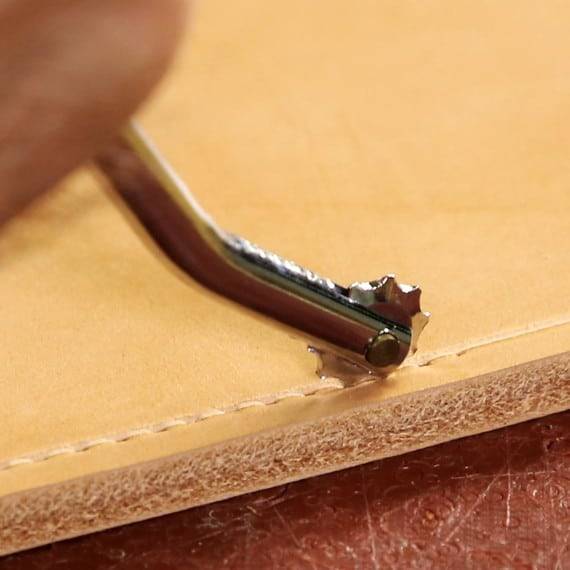
Now that you have things secured in place, put a groove on the leather with a stitching groover. This tool does two things: It presents a nice straight line to stitch on and removes a small amount of leather to provide a trench that the stitch can sink into, which can help protect the thread.
Step 3: Mark Stitch Spacing
Utilizing the groove you just made, use an overstitch wheel to mark the thread spacing. As it’s name implies, this craft tool marks exactly where to stitch and creates a shallow channel to sink your stitches further into the leather. Overstitch wheels come in different sizes that vary the spaced length of your stitching. We’re using a number six size in this sewing tutorial. If you’re unsure of which size to use, remember this rule: the number refers to the amount of stitches per inch.
Step 4: Use a Stitching Awl
Create holes for sewing into the leather. A stitching awl, used here, is the best tool for the job. The awl is reminiscent of an ice pick, but it has a diamond-shaped blade with sharp cutting edges to pierce holes into the leather rather than tear holes, as a round metal point would. When using it, pierce through the leather on each of the dots created by the overstitch wheel. Make sure that you keep the awl at a 90-degree angle when piercing the leather to ensure that the spacing is consistent on each side for uniform stitching.
Step 5: Lock the Needle
For any hand-sewn leather project, you will need a length of thread that measures three times the area coverage. For the saddle stitch, you will use two needles: one on either end of the thread. Here’s a trick I like to use when sewing leather: lock the needle into the thread. To do this, run the waxed thread through the needle eyelet then pull it through further by about an inch. Next, pierce the thread with the needle point (as shown) and push this loop around the needle upwards towards the eyelet. With end of the thread that initially passed through the eyelet, pull out the slack that was created with this adjustment. Holding the needle, pull the loop over the eyelet to lock the needle in place. By securing the thread this way, you won’t have to worry about it sliding off of the needle while you sew. Repeat on the other end so you have two needles on the thread, one on each end.
In the following steps, I will be using a stitching pony to help with the process. This model pictured here features a wooden “turn- key” with jaws that hold the leather in place while stitching and ensures a stable work station. This is an optional accessory, however it is handy to have around as an extra hand to help hold the project in place while working on it
Step 6: Start to Stitch
To begin your stitch, sew through the first hole, making sure the lengths of thread are even on each side. Continue to sew through the same hole with both needles, each time passing through the same hole from opposite sides. Continue this back-and-forth sewing technique, pulling the thread snug with each pass, until you have reached the end of your project. If you are having difficulty with the needles getting stuck in the leather, try widening the holes further with the stitching awl or using a pair of needle-nose pliers to help pull through the leather.
Step 7: Lock the Stitch
When you have completed your stitching, you will want to lock the stitch in to place. Sew back a few stitches, pull the thread down snug, and cut the thread flush against the project.
Conclusion-
Thank you for reading Suits Avenue’s blog! Today we talked about leather shoes, where they come from, what they’re made of, how they’re made, colored and sewed 🙂
Make sure to check back next week! We will have a lot more to add! We will go into more dept about leather shoes! Stay tuned!
Stop into the store today to look at our new pairs!
“THEY HELPED ME MATCH SHIRT AND TIE… I FEEL CONFIDENT.”
MUGISHAAttoreny
“THESE GUYS ARE THE BEST IN TOWN, REAL REAL IMPORTED CLOTHES”
KITAKUYIOffice
I am slide content. Click edit button to change this text. Lorem ipsum dolor sit amet, consectetur adipiscing elit. Ut elit tellus, luctus nec ullamcorper mattis, pulvinar dapibus leo.
John DoeCEO
30 days before wedding Suits Avenue saved my neck, QUALITY and customer care
RobertCEO
The gals made look smart for my job interview..AND i won the position…Thx Suits Avenue
SimonEmployeed
Previous
Next
Find us, Follow us, and like us on FACEBOOK for latest fashion Trends…
Hi everyone! Thank you for taking the time to read Suits Avenue’s blog! Today we are talking about Turkish Suits in Kampala, corporate suits, and how to choose quality and value. MOST COMMON TURKISH REVIEWS
“nothing makes me fall in love like saying a well dressed man” – GK
“for real imported suits from Turkey, great customer care. I will buy again and again..”-KL
“So nice & cool for chilling with baddies so guys thanks for having kept us well thank u so much” -AP
Do the buttons look cheap, flimsy, and painted? They probably are.
2. PLASTIC BUTTON ANCHORS
3. PAPER-Y LINING
Cheap linings are usually made of polyester, which traps heat and doesn’t breathe at all. It’s especially bad if it makes a “scrunchy” or “swishy” sound when you move it around.
4. SYNTHETIC FIBERS (OR SIZING S-XL)
Just avoid shiny, stiff, sweaty synthetic fibers. Go all natural.
And a suit should be cut slightly more precisely than “Small”, “Medium” or “Large”. It’s not a t-shirt, don’t buy it like one.
5. SKIMPING ON EXTRA FABRIC
The roughly 3.5 yards of cloth it takes to make a suit is the majority of its cost. A cheap manufacturer will cut all the excess – including the fabric under the hem needed to lengthen the trousers and the fabric inside the seat needed to let-out the waist.
6. LAPEL LINES NOT ANCHORED
7. FUSING BUBBLES
This is the sign of a “fused front” (ie. glued together) chest piece.
8. LOW ARMHOLES
A low armhole is a just bad design. It’s a carry-over from old-school patterns.
9. HARD-CREASED ROLL LINES
The lapel is a focal point of the suit. It should have a soft, gradual, three-dimension roll that gives dimension and life to the jacket.
10. BUBBLY SHOULDER LINES
The shoulders are a critical point of a suit. They should have a clean smooth line.
Thank you again for reading Suits Avenue’sBlog!! Stay tuned! We will continue to update this weekly! Stop in today for your Turkish suit to be happy like these customers!!!